The Essential Guide to Vitamin B12: Top Food Sources for Energy and Nerve Health
Feeling sluggish or experiencing a dip in your overall vitality? The secret might just be in your diet, specifically in a crucial nutrient known as Vitamin B12. This powerhouse vitamin plays a vital role in keeping our bodies running smoothly, from boosting energy levels to supporting a healthy nervous system.
At Wellness Daily, we believe in empowering you with the knowledge to make informed choices for your health. Join us as we explore what makes Vitamin B12 so important and uncover some of the best food sources to ensure you’re getting enough of this essential nutrient.
What is Vitamin B12 and Why Do You Need It?
Vitamin B12, also known as cobalamin, is a water-soluble vitamin that is absolutely essential for several critical bodily functions. Unlike some other vitamins, our bodies cannot produce B12 on their own, making dietary intake crucial. Here’s why it’s so important:
- Energy Production: B12 is a key player in the metabolism of every cell in the human body. It helps convert the food you eat into glucose, which your body uses for energy. A lack of B12 may lead to feelings of fatigue and weakness.
- Nervous System Health: It is vital for the proper functioning and development of brain and nerve cells. B12 helps maintain the myelin sheath, which is the protective coating around nerves, allowing for efficient nerve signal transmission.
- Red Blood Cell Formation: Adequate B12 is necessary for the production of healthy red blood cells, which carry oxygen throughout your body. Without enough B12, red blood cells can become abnormally large and unable to function properly, potentially leading to megaloblastic anemia.
- DNA Synthesis: B12 plays a role in the synthesis of DNA, the genetic material in all cells.
Signs of Potential Vitamin B12 Deficiency
While often subtle at first, a prolonged deficiency in Vitamin B12 can lead to a range of symptoms. These may include:
- Persistent fatigue and weakness
- Pale or yellowish skin
- Numbness or tingling in hands and feet
- Memory problems or difficulty concentrating
- Irritability or changes in mood
- Sore tongue or mouth ulcers
If you suspect a deficiency, it’s always best to consult with a healthcare professional for proper diagnosis and guidance.
Top Vitamin B12-Rich Foods to Boost Your Diet
The good news is that many delicious and common foods are excellent sources of Vitamin B12. Primarily found in animal products, here’s a look at some of the best options:
1. Meat and Poultry
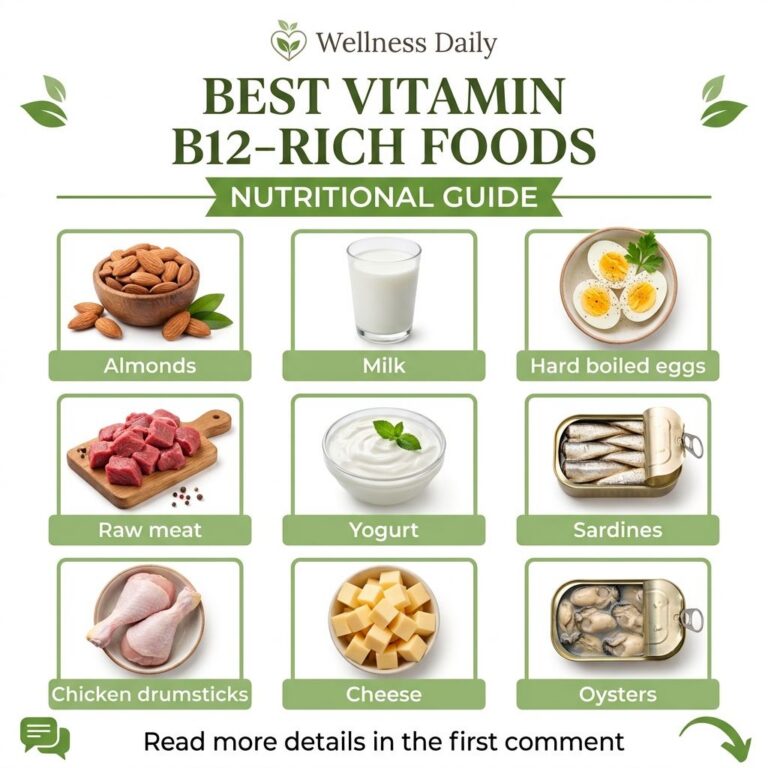
Red meat, such as beef, and poultry like chicken, are significant sources of B12. Incorporating lean cuts into your diet can help meet your daily needs. For example, a serving of beef can provide well over 100% of the daily value for B12.
2. Fish and Seafood
Seafood is a particularly rich source of B12. Sardines, often available in cans, are not only convenient but also packed with this vitamin. Oysters are another excellent choice, offering a substantial amount of B12 along with other minerals. Salmon and tuna are also great options.
3. Eggs
Hard-boiled eggs or eggs prepared in any style can contribute to your B12 intake. While the yolk contains most of the B12, consuming the whole egg provides a good overall nutrient boost.
4. Dairy Products: Milk, Yogurt, and Cheese
Dairy products are a readily available and versatile source of Vitamin B12. Milk, yogurt, and various cheeses (like the cubed cheese you might enjoy as a snack) can be easily incorporated into meals and snacks throughout your day.
5. Fortified Foods
For those following vegetarian or vegan diets, or simply looking to supplement their intake, fortified foods are a valuable option. Many breakfast cereals, plant-based milks (like almond or soy milk), and nutritional yeasts are fortified with B12. Always check the nutrition label to confirm.
It’s worth noting that while almonds are a healthy food, they do not naturally contain Vitamin B12. They are often featured in discussions about healthy eating, but for B12 specifically, focus on animal products or fortified plant-based alternatives.
How Much B12 Do You Need?
The recommended daily allowance (RDA) of Vitamin B12 for adults is typically 2.4 micrograms (mcg), though this can vary for pregnant or breastfeeding individuals. It’s always best to consult a healthcare provider for personalized recommendations.
Who Might Need More B12?
While a balanced diet usually provides enough B12 for most people, certain groups may be at a higher risk of deficiency:
- Vegans and Vegetarians: Since B12 is primarily found in animal products, those who avoid meat, dairy, and eggs may need to rely on fortified foods or supplements.
- Older Adults: As we age, the body’s ability to absorb B12 from food can decrease.
- Individuals with Digestive Disorders: Conditions like Crohn’s disease, celiac disease, or those who have had gastric surgery can impair B12 absorption.
- People on Certain Medications: Some medications, such as proton pump inhibitors (PPIs) and metformin, may interfere with B12 absorption.
Making B12 a Priority for Your Wellness Journey
Ensuring adequate Vitamin B12 intake is a straightforward and effective way to support your overall health and vitality. By consciously including B12-rich foods in your diet, you can help maintain optimal energy levels, a healthy nervous system, and strong red blood cells.
Which of these B12-rich foods is already a favorite in your diet? We encourage you to explore new ways to incorporate these beneficial foods into your daily meals. Your body will thank you!
Disclaimer: This article is for informational purposes only and does not constitute medical advice. Always consult with a qualified healthcare professional before making any decisions about your health or treatment.