Boost Your Energy: Top Vitamin B12-Rich Foods for Optimal Wellness
Feeling a little sluggish or finding it hard to focus? You might be missing out on a vital nutrient: Vitamin B12. This powerhouse vitamin plays a crucial role in many bodily functions, from energy production to nerve health. Fortunately, incorporating B12-rich foods into your daily diet is a delicious and effective way to ensure you’re getting enough.
At Wellness Daily, we believe in empowering you with the knowledge to make healthy choices. Let’s dive into the world of Vitamin B12 and discover some of the best food sources to keep you feeling your best!
Why is Vitamin B12 So Important?
Vitamin B12, also known as cobalamin, is an essential water-soluble vitamin. This means your body doesn’t store it for long periods, and you need to replenish it regularly through your diet. Its functions are diverse and critical for overall health:
- Energy Production: B12 is crucial for converting food into glucose, providing your body with the energy it needs. It also helps prevent megaloblastic anemia, which can cause fatigue and weakness.
- Nervous System Health: It plays a key role in the formation and maintenance of myelin, the protective sheath around nerves. This ensures proper nerve signal transmission.
- Red Blood Cell Formation: Adequate B12 is necessary for the production of healthy red blood cells, which carry oxygen throughout your body.
- DNA Synthesis: B12 is involved in the synthesis of DNA, the genetic material in all cells.
Top Vitamin B12-Rich Foods to Include in Your Diet
Many delicious foods are naturally high in Vitamin B12. Here are some of the best sources:
1. Seafood Powerhouses
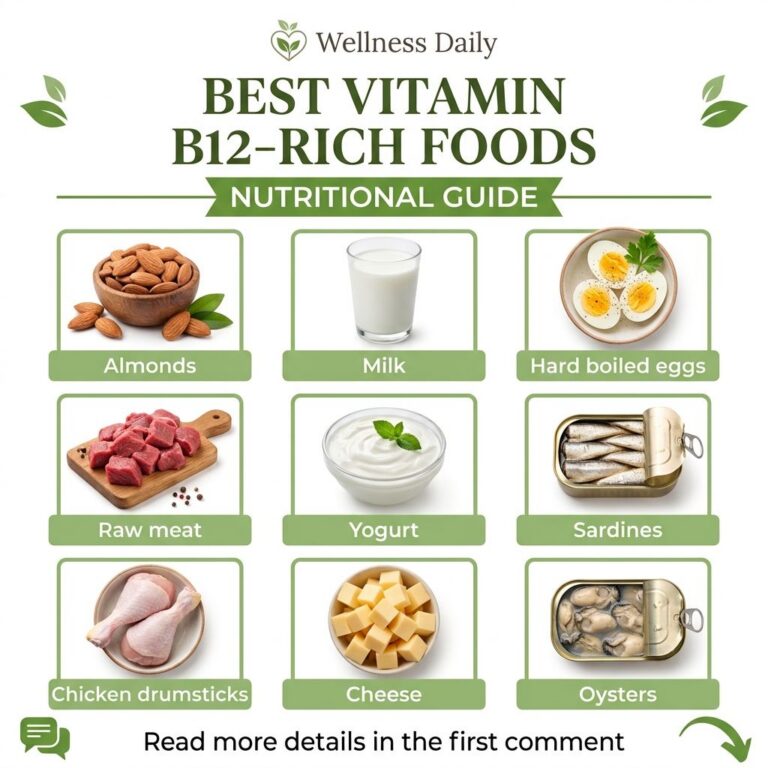
- Sardines: These small, oily fish are incredibly rich in B12, along with omega-3 fatty acids. They can be enjoyed on toast, in salads, or as a snack.
- Oysters: A true delicacy, oysters are packed with B12, zinc, and iron.
- Clams: Like oysters, clams are an excellent source of B12 and other minerals.
- Salmon and Tuna: Popular choices, these fatty fish are not only great for heart health but also provide a significant amount of B12.
2. Dairy Delights
Dairy products are convenient and common sources of Vitamin B12, particularly for ovo-lacto vegetarians.
- Milk: A classic source, milk can be easily incorporated into your morning cereal, coffee, or smoothies.
- Yogurt: Especially Greek yogurt, it offers B12 along with beneficial probiotics for gut health.
- Cheese: Most types of cheese contain B12, with Swiss and cottage cheese often having higher amounts.
3. Eggs and Poultry
For those who consume animal products, eggs and poultry offer good amounts of B12.
- Hard-Boiled Eggs: Eggs provide B12 primarily in the yolk, along with protein and other vitamins.
- Chicken Drumsticks (and other parts): Chicken, especially dark meat, contributes to your daily B12 intake.
4. Red Meat and Liver
Red meats are among the most potent sources of Vitamin B12.
- Beef (especially liver): Beef liver is exceptionally high in B12, as are other cuts of beef.
- Lamb: Another excellent source, lamb provides a substantial amount of B12.
- Raw Meat (if safely consumed, e.g., certain sushi or carpaccio): While some cultures consume raw meat dishes, it’s essential to exercise extreme caution due to food safety risks. Cooked meat remains a safer and equally effective source of B12.
5. Fortified Foods (for plant-based diets)
While the image prominently features animal products, it’s important to note that Vitamin B12 is naturally found almost exclusively in animal-derived foods. However, many plant-based options are fortified to help those following vegan or vegetarian diets meet their B12 needs.
- Fortified Cereals: Many breakfast cereals are enriched with Vitamin B12. Always check the nutrition label.
- Fortified Plant Milks: Almond milk, soy milk, and oat milk are often fortified with B12.
- Nutritional Yeast: This popular vegan condiment is often fortified with B12 and can add a cheesy flavor to dishes.
Note: Almonds are shown in the infographic. While almonds are highly nutritious and provide various vitamins and minerals, they are not a natural source of Vitamin B12. Any B12 content in almond products would typically come from fortification.
Signs of Vitamin B12 Deficiency
Without sufficient B12, your body can’t function optimally. Symptoms of deficiency may develop slowly over time and can include:
- Fatigue and weakness
- Pale or yellowish skin
- Glossitis (a smooth, red tongue)
- Difficulty walking and balance problems
- Numbness or tingling in hands and feet
- Memory loss or cognitive difficulties
- Mood changes, such as depression or irritability
Individuals at higher risk for B12 deficiency include older adults, vegetarians and vegans (who need to rely on fortified foods or supplements), those with digestive disorders like Crohn’s disease or celiac disease, and individuals who have undergone gastric surgery.
Incorporating B12-Rich Foods into Your Daily Life
Making B12 a priority in your diet is easier than you think:
- Start your day with a bowl of fortified cereal with milk or fortified plant-based milk.
- Enjoy a yogurt parfait with berries for a mid-morning snack.
- Add sardines or salmon to your lunch salad.
- Prepare a lean beef or chicken dish for dinner.
- Experiment with recipes that feature oysters or clams for a unique and nutritious meal.
Important Disclaimer
This article is intended for educational purposes only and is not a substitute for professional medical advice, diagnosis, or treatment. If you have concerns about your Vitamin B12 levels, or any other health issues, please consult with a qualified healthcare provider. They can provide personalized advice and determine if supplementation is appropriate for you.
By consciously including these Vitamin B12-rich foods in your diet, you’re taking a positive step towards supporting your energy levels, nervous system, and overall well-being. What are your favorite B12-rich foods to enjoy?