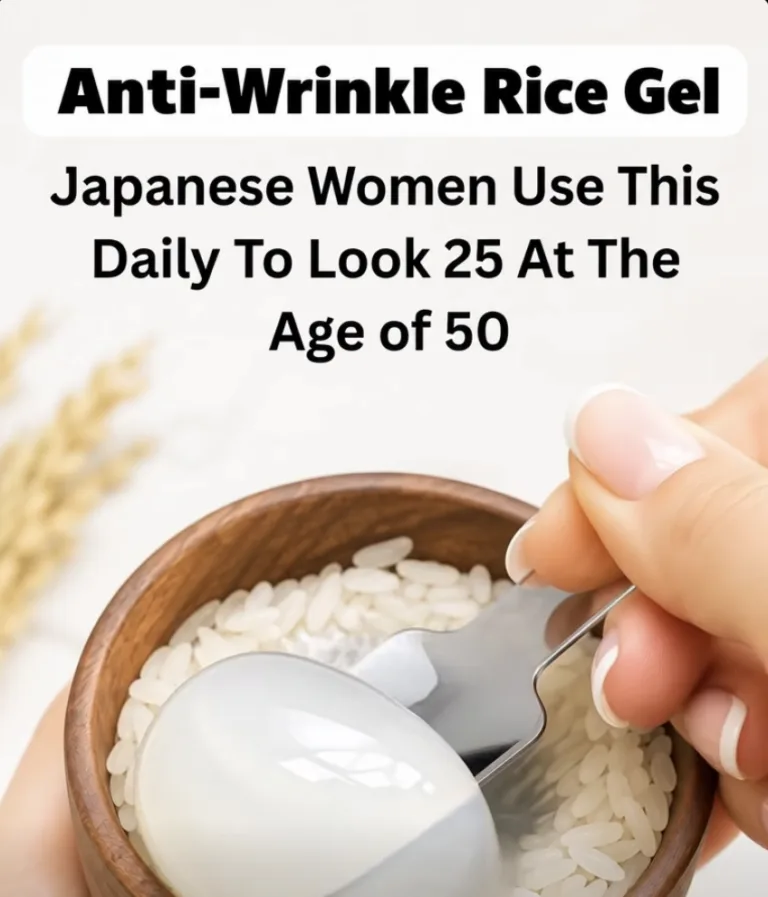
Rice has been used in beauty rituals across Asia for centuries. From rice water rinses to rice bran masks, this humble grain has long been associated with softer, brighter-looking skin. Recently, social media has been flooded with videos promoting a homemade Anti-Wrinkle Rice Gel, often claiming that it can make someone “look 25 at the age of 50.”
But does this DIY recipe actually work? Let’s explore the ingredients, how to make it, and what science really says.
Why Rice Is Popular in Skincare
Rice contains several naturally occurring compounds that make it interesting for cosmetic use:
- Vitamin E
- Ferulic acid
- Amino acids
- Rice starch
- Antioxidants
These ingredients may help the skin by:
- Providing temporary hydration
- Supporting the skin barrier
- Making skin feel smoother
- Giving the skin a soft, silky appearance
However, rice alone cannot erase wrinkles or reverse aging.
DIY Anti-Wrinkle Rice Gel Recipe
Ingredients
- 1/2 cup uncooked white rice
- 2 cups water
- 1 teaspoon aloe vera gel
- 1 teaspoon vegetable glycerin (optional)
- 2–3 drops vitamin E oil (optional)
Step 1: Wash the Rice
Rinse the rice thoroughly to remove dust and impurities.
Step 2: Cook the Rice
Boil the rice with water until it becomes very soft.
Step 3: Blend
Transfer the cooked rice along with some cooking water into a blender.
Blend until completely smooth.
Step 4: Strain
Use a fine mesh strainer or cheesecloth to remove any large particles.
You should obtain a smooth gel-like texture.
Step 5: Add Moisturizers
Mix in:
- Aloe vera gel
- Glycerin
- Vitamin E
These ingredients help improve hydration and make the gel easier to spread.
Step 6: Refrigerate
Store in a clean airtight container.
Use within 3–5 days since homemade recipes contain no preservatives.
How to Apply
- Wash your face.
- Apply a thin layer of rice gel.
- Leave on for 15–20 minutes.
- Rinse with lukewarm water.
- Finish with moisturizer.
Use 2–3 times per week.
Potential Benefits
Many people enjoy rice gel because it may help:
✔ Make skin feel smoother
✔ Add lightweight hydration
✔ Reduce temporary dryness
✔ Give the skin a fresh glow
✔ Improve makeup application
Can Rice Gel Remove Wrinkles?
Not really.
Wrinkles develop because of:
- Collagen loss
- Sun damage
- Natural aging
- Reduced skin elasticity
A homemade rice gel cannot rebuild collagen or permanently tighten skin.
Claims like:
- “Look 25 again”
- “Erase wrinkles overnight”
- “Natural Botox”
are not supported by scientific evidence.
What rice gel can do is temporarily hydrate the outer layer of the skin, making fine dehydration lines appear slightly less noticeable for a short time.
Who Might Enjoy This DIY Mask?
This recipe may be suitable for people who:
- Have normal skin
- Have slightly dry skin
- Enjoy homemade skincare
- Want a gentle moisturizing mask
Who Should Be Careful?
Avoid using homemade rice gel if you:
- Have a rice allergy
- Have open wounds or irritated skin
- Have severe acne or skin infections
Always perform a patch test on a small area of skin before applying any DIY skincare product to your face.
Tips for Healthier-Looking Skin
If your goal is younger-looking skin, focus on habits that have strong scientific support:
- Wear sunscreen every day.
- Use a gentle moisturizer.
- Get enough sleep.
- Eat a balanced diet rich in fruits and vegetables.
- Stay hydrated.
- Consider proven skincare ingredients such as retinoids, niacinamide, vitamin C, or peptides if appropriate for your skin.
These strategies have much stronger evidence than most viral DIY beauty recipes.
Final Thoughts
The Anti-Wrinkle Rice Gel is an easy and inexpensive DIY skincare recipe that can leave skin feeling soft, refreshed, and hydrated. While it won’t erase wrinkles or make someone decades younger, it may provide a pleasant moisturizing treatment and a temporary healthy glow.
If you enjoy homemade beauty recipes, think of rice gel as a simple hydrating mask rather than a miracle anti-aging treatment. Consistent skincare, sun protection, and healthy lifestyle habits remain the most reliable ways to maintain youthful-looking skin over time.