When we talk about fats, it’s easy to get caught up in the calorie count. But what if we told you that the quality of your fat source matters even more than the quantity? It’s true! In the world of nutrition, not all fats are created equal, and understanding the difference can significantly impact your overall health and well-being. Today, we’re diving deep into a fascinating comparison: half of a medium avocado versus one tablespoon of cooking oil. Both can be valuable components of a healthy diet, but they offer distinct nutritional profiles that are worth exploring.
Forget the old dogma that all fats are bad. Modern science consistently shows that healthy fats are essential for countless bodily functions, from hormone production and nutrient absorption to maintaining cell structure and supporting brain health. The key lies in choosing the right kinds of fats and understanding how they fit into a balanced eating pattern. Join us as we uncover the unique benefits of avocados and healthy cooking oils, helping you make informed choices that nourish your body from the inside out.
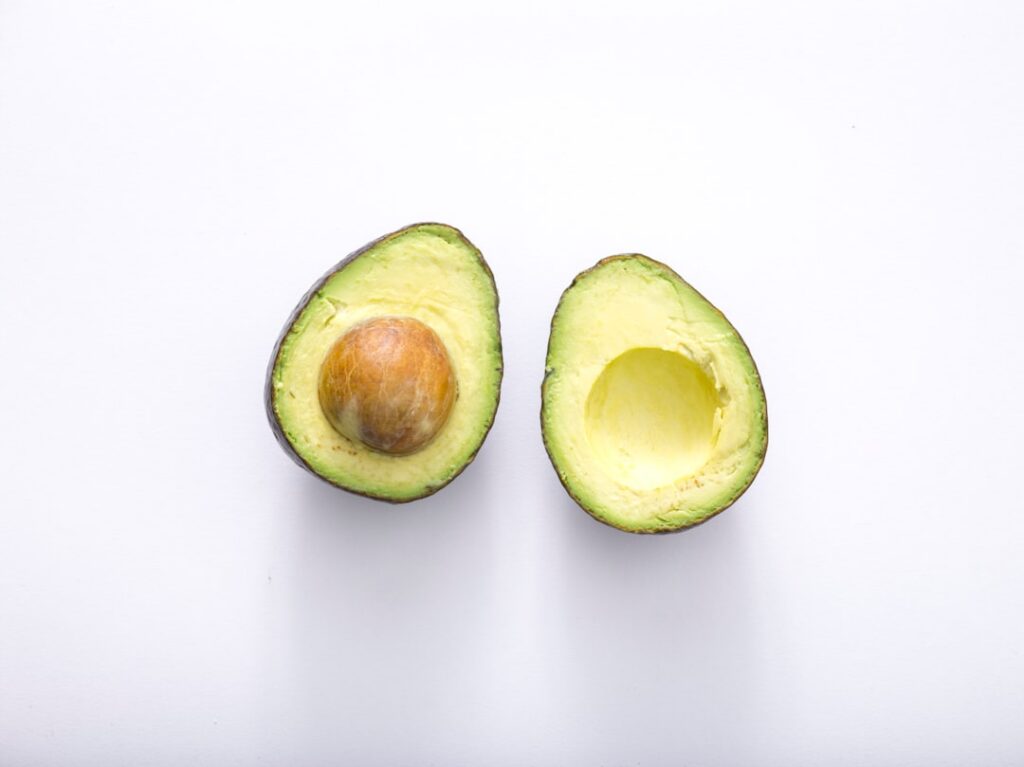
Table of Contents
- Why Healthy Fats Matter
- Comparing Avocado and Cooking Oil
- Which Option Keeps You Fuller?
- Best Uses for Avocado
- Best Uses for Healthy Oils
- Portion Control Tips
- Healthy Meal Ideas
- Common Nutrition Myths
- Frequently Asked Questions
Why Healthy Fats Matter
For decades, fats were often demonized, leading many to believe that a low-fat diet was the only path to health. However, modern nutritional science has debunked this myth, revealing that healthy fats are not just beneficial, but absolutely crucial for optimal health. They are one of the three macronutrients, alongside carbohydrates and proteins, and each plays a vital role in our bodies.
Essential Functions of Healthy Fats:
- Energy Source: Fats are a concentrated source of energy, providing more than twice the calories per gram compared to carbohydrates or proteins. This makes them an efficient fuel source for your body.
- Nutrient Absorption: Many essential vitamins, such as Vitamins A, D, E, and K, are fat-soluble. This means your body needs dietary fat to properly absorb and utilize them. Without adequate fat intake, you could be missing out on vital nutrients from your fruits and vegetables.
- Cell Structure: Fats are integral components of cell membranes, providing structure and protecting the delicate machinery inside your cells.
- Hormone Production: Healthy fats, particularly cholesterol (which your body produces from dietary fats), are precursors for many hormones, including sex hormones and adrenal hormones.
- Brain Health: Your brain is nearly 60% fat, and healthy fats, especially omega-3 fatty acids, are critical for cognitive function, memory, and mood regulation.
- Insulation and Protection: Fat tissue helps insulate your body, regulate temperature, and protect your organs from physical shock.
- Satiety: Fats contribute to feelings of fullness and satisfaction after meals, helping to prevent overeating and regulate appetite. This is a key aspect of healthy eating.
Understanding these roles helps shift our focus from avoiding fats to embracing the right ones. The discussion of healthy fats is central to building a balanced diet and achieving a healthy lifestyle.
Comparing Avocado and Cooking Oil
Let’s get to the heart of our comparison: half of a medium avocado versus one tablespoon of a common healthy cooking oil like extra virgin olive oil. Both offer healthy fats, but their overall nutritional packages are quite different. This healthy fat comparison will reveal why appreciating both for their unique qualities is important for a balanced diet.
Calories vs Nutrient Density
When comparing half of a medium avocado to one tablespoon of cooking oil, it’s easy to focus solely on calories. However, a more insightful approach is to consider nutrient density. Nutrient density refers to the amount of beneficial nutrients (vitamins, minerals, fiber, antioxidants) a food provides relative to its calorie content.
- Half of a Medium Avocado: Approximately 160 calories. Beyond these calories, avocados are packed with an impressive array of nutrients. They are a significant source of potassium, vitamin K, vitamin C, vitamin B6, folate, and vitamin E. They also contain smaller amounts of magnesium, manganese, copper, iron, and zinc. Crucially, they deliver dietary fiber and plant compounds not found in oils. This makes avocado nutrition incredibly rich.
- One Tablespoon of Cooking Oil (e.g., Olive Oil): Approximately 120 calories. While a tablespoon of olive oil provides fewer calories than half an avocado, its primary contribution is fat. It offers vitamin E and K in smaller quantities, but it lacks the fiber, potassium, and many other vitamins and minerals found in the whole avocado. Cooking oil nutrition is focused almost entirely on its fat content.
This comparison highlights that while both provide healthy fats and calories, the avocado offers a much broader spectrum of micronutrients and fiber, making it a more nutrient-dense choice per calorie compared to oil.
Fiber Makes a Difference
One of the most significant distinctions between avocado and cooking oil is the presence of fiber. Fiber is a type of carbohydrate that our bodies cannot digest, but it plays a crucial role in digestive health and overall well-being. This is where the whole foods vs oils discussion becomes particularly relevant.
- Avocado: Half a medium avocado contains approximately 5-7 grams of dietary fiber. This fiber is a mix of soluble and insoluble types. Soluble fiber helps lower cholesterol and regulate blood sugar levels, while insoluble fiber adds bulk to stool, promoting regular bowel movements and preventing constipation. This makes avocados a fiber rich food that contributes significantly to daily fiber intake.
- Cooking Oil: Oils are extracted fats and contain virtually no fiber. They are pure fat.
The fiber content in avocado contributes to satiety, helps stabilize blood sugar, and supports a healthy gut microbiome. These benefits are absent in cooking oils, which are concentrated sources of fat. When considering healthy food swaps, opting for a whole food like avocado can add valuable fiber to your diet.
Healthy Fats Explained
Both avocado and healthy cooking oils are celebrated for their beneficial fat profiles, primarily monounsaturated fats and polyunsaturated fats. These are often referred to as ‘good’ fats because of their positive impact on heart health and overall well-being. Understanding these fats is key to a heart healthy foods approach.
- Monounsaturated Fats (MUFAs): These fats are found in abundance in both avocados and olive oil. MUFAs are known for their ability to help lower “bad” LDL cholesterol levels while potentially raising “good” HDL cholesterol. This makes them a cornerstone of a heart-healthy diet. Olive oil is particularly famous for its high MUFA content, especially oleic acid. Avocado also provides a substantial amount of monounsaturated fats.
- Polyunsaturated Fats (PUFAs): These include omega-3 and omega-6 fatty acids, which are essential because our bodies cannot produce them. While cooking oils like sunflower or corn oil can be high in omega-6s, and some, like flaxseed oil, are rich in omega-3s, avocados offer a balanced mix, though in smaller quantities compared to some dedicated PUFA-rich oils. These fats are vital for brain function, cell growth, and reducing inflammation.
- Saturated Fats: Both avocado and most healthy cooking oils contain minimal amounts of saturated fat compared to animal fats. While saturated fat intake should be moderate, plant-based sources like coconut oil also contain saturated fats but are often consumed in smaller quantities.
The primary healthy fats in avocado are monounsaturated, contributing to its reputation as a heart-healthy food. Similarly, oils like olive oil are celebrated for their monounsaturated fat content, and others like flaxseed oil for their polyunsaturated omega-3s. The key takeaway is that both can be excellent sources of healthy fats for your diet.
Which Option Keeps You Fuller?
When it comes to satiety – that feeling of fullness and satisfaction after eating – both healthy fats and fiber play crucial roles. This is where the nutrient comparison between avocado and oil takes an interesting turn.
- Avocado: The combination of healthy fats (primarily monounsaturated fats) and significant fiber content in avocado makes it exceptionally satiating. The fats slow down digestion, keeping you full longer, while the fiber adds bulk, further contributing to a feeling of fullness and promoting digestive health. This sustained satiety can be a great advantage for managing appetite and maintaining a balanced diet.
- Cooking Oil: While the fats in cooking oil also contribute to satiety by slowing stomach emptying, they lack the fiber found in avocado. Therefore, a tablespoon of oil, though rich in calories and fat, might not provide the same long-lasting feeling of fullness as an equal amount of calories from avocado. Its concentrated nature means it’s easy to consume more calories from oil without feeling as satisfied.
For those looking for foods that help keep hunger at bay, incorporating whole foods like avocado, rich in both healthy fats and fiber, can be a highly effective strategy. This makes avocado benefits extend beyond just nutrition to practical hunger management.
Best Uses for Avocado
Avocados are incredibly versatile and can elevate a wide range of dishes, adding not just healthy fats but also a creamy texture and rich flavor. Here are some of the best ways to enjoy this nutrient powerhouse:
- Toast Topping: A classic for a reason! Mash avocado with a pinch of salt and pepper for a simple, satisfying toast. Add chili flakes, everything bagel seasoning, or a squeeze of lime for extra flavor.
- Smoothies: Add a quarter or half an avocado to your morning smoothie for extra creaminess, healthy fats, and nutrients without overpowering the flavor.
- Salads: Diced or sliced avocado adds a luxurious texture and healthy fat boost to any salad. It pairs wonderfully with leafy greens, vegetables, and plant-based proteins.
- Guacamole: The ultimate avocado dish! Freshly made guacamole is perfect as a dip, a side, or a topping for tacos and burritos.
- Sandwiches & Wraps: Spread mashed avocado instead of mayonnaise for a healthier, flavorful alternative.
- Desserts: Believe it or not, avocado can create wonderfully creamy, rich vegan desserts like chocolate mousse or raw cheesecakes.
- Soup Topping: Add diced avocado to a bowl of warm soup just before serving for a cool, creamy contrast.
Embracing avocado in its whole food form is a fantastic way to enjoy its full spectrum of benefits, making it an excellent component of a healthy eating plan.
Best Uses for Healthy Oils
Healthy cooking oils are indispensable in the kitchen, offering unique properties for cooking, flavoring, and enhancing nutrient absorption. Far from being “unhealthy,” they are concentrated sources of healthy fats that play a crucial role in many culinary applications and provide essential nutrients.
- Sautéing and Stir-Frying: Oils like olive oil, avocado oil, and canola oil are excellent for sautéing vegetables, tofu, or tempeh. Avocado oil, with its high smoke point, is particularly suitable for higher-heat cooking.
- Roasting: Drizzle vegetables like broccoli, sweet potatoes, or Brussels sprouts with olive oil or avocado oil before roasting to achieve a delicious crispy exterior and enhance flavor.
- Salad Dressings: Extra virgin olive oil is a cornerstone of many homemade vinaigrettes and dressings, providing rich flavor and healthy monounsaturated fats.
- Baking: Certain oils, like canola or sunflower oil, can be used in baking as a fat source in muffins, cakes, and quick breads, often contributing to a moist texture.
- Marinades: Oils act as carriers for flavors in marinades, helping to infuse herbs and spices into plant-based proteins.
- Finishing Oils: A drizzle of high-quality extra virgin olive oil over pasta, hummus, or grilled vegetables can add a beautiful sheen, aroma, and depth of flavor.
The key to using oils wisely is moderation, considering their concentrated calorie content, and choosing varieties rich in monounsaturated or polyunsaturated fats for their heart-healthy benefits. This ensures cooking oil nutrition contributes positively to your meals.
Portion Control Tips
Whether you’re enjoying nutrient-dense avocado or healthy cooking oils, portion control is vital for a balanced diet. Both are calorie-dense, and while their fats are healthy, consuming them in excess can still lead to an energy surplus.
For Avocado:
- Stick to half: A common serving size is half of a medium avocado. If you’re using it as a main component, a whole avocado might be appropriate, but be mindful of your overall calorie intake.
- Measure it out: If mashing or adding to smoothies, use measuring spoons to gauge a quarter or half avocado portion.
- Mindful Eating: Pay attention to your body’s hunger and fullness cues. Enjoy the creamy texture and rich flavor without mindlessly overeating.
For Healthy Oils:
- Measure with spoons: Always use measuring spoons when adding oil to cooking or dressings. A “glug” from the bottle can easily be 3-4 tablespoons instead of the intended one.
- Spritzers: Consider using an oil spritzer for cooking to evenly coat pans or vegetables with less oil.
- Understand concentration: Remember that oils are 100% fat and therefore very calorie-dense. A little goes a long way to provide flavor and cooking properties.
Practicing portion control for both whole foods like avocado and concentrated sources like oils is a fundamental aspect of healthy eating and maintaining a healthy lifestyle.
Healthy Meal Ideas
Integrating both avocado and healthy oils into your daily meals is simple and delicious. Here are some ideas for a balanced diet that leverage the strengths of both:
- Breakfast Power Bowl: Start your day with a bowl of oatmeal or quinoa topped with sliced avocado, a sprinkle of seeds, and a drizzle of flaxseed oil (for omega-3s).
- Mediterranean Lunch Salad: A vibrant salad with mixed greens, chickpeas, cucumber, tomatoes, olives, and a generous portion of diced avocado. Dress it with a simple vinaigrette made from extra virgin olive oil, lemon juice, and herbs.
- Vegan Buddha Bowl: Build a bowl with roasted sweet potatoes (tossed in avocado oil), quinoa, black beans, sautéed greens (cooked in a touch of olive oil), and a creamy cashew-avocado dressing.
- Hearty Lentil Soup with Avocado: Prepare a flavorful lentil soup using a base sautéed in olive oil, then top each serving with fresh diced avocado for a creamy, cooling contrast and added healthy fats.
- Avocado & Veggie Tacos: Fill corn tortillas with spiced black beans or seasoned tofu (cooked in a neutral oil like canola or grapeseed), crisp lettuce, salsa, and plenty of mashed or sliced avocado.
- Pesto Pasta with Avocado: Make a vibrant pesto with basil, pine nuts, garlic, nutritional yeast, and olive oil, then toss with whole wheat pasta and top with fresh avocado slices.
These ideas showcase how to combine the fiber and micronutrients of avocado with the cooking utility and specific fatty acid profiles of healthy oils for truly nourishing and delicious plant-based meals.
Common Nutrition Myths
Navigating the world of nutrition can be confusing, especially with so much misinformation circulating. Let’s bust a few common myths related to fats and healthy eating:
- Myth: All fats are bad and should be avoided.
Fact: As we’ve discussed, healthy fats are essential for countless bodily functions. The key is to distinguish between beneficial fats (monounsaturated, polyunsaturated) and those that should be limited (trans fats, excessive saturated fats). A balanced diet *needs* healthy fats. - Myth: Eating fat makes you fat.
Fact: Weight gain occurs when you consume more calories than your body expends, regardless of the source. While fats are calorie-dense, healthy fats can contribute to satiety, potentially helping with weight management by preventing overeating. It’s about overall calorie balance and nutrient quality. - Myth: Olive oil loses its health benefits when heated.
Fact: Extra virgin olive oil is quite stable due to its high monounsaturated fat content and antioxidants. While very high, prolonged heat can slightly reduce some antioxidant levels, it remains a healthy and safe cooking oil for most everyday cooking, including sautéing and light frying. - Myth: Avocado is too high in fat/calories.
Fact: While avocados are calorie-dense, their fat content is predominantly healthy monounsaturated fat, and they are packed with fiber, vitamins, and minerals. They contribute to satiety and nutrient intake, making them a valuable part of a healthy diet in appropriate portions. - Myth: You need to completely cut out oil to be healthy.
Fact: While some people choose to reduce oil intake, healthy oils absolutely have a place in a balanced diet. They provide essential fatty acids, aid in nutrient absorption, and are versatile cooking ingredients. It’s about choosing quality oils and using them in moderation. Whole foods vs oils isn’t an either/or, but a both/and scenario.
By dispelling these common nutrition myths, we can foster a more informed and positive relationship with food, embracing the benefits of healthy fats in their various forms.
Frequently Asked Questions
Here are some common questions people ask about healthy fats, avocados, and cooking oils:
Q1: Can I use avocado oil for high-heat cooking?
A: Yes! Avocado oil has a very high smoke point (around 520°F or 271°C), making it an excellent choice for high-heat cooking methods like stir-frying, roasting, and grilling. It’s one of the best healthy cooking oils for versatility.
Q2: Is one better than the other for heart health?
A: Both avocado and healthy oils like olive oil are excellent for heart health due to their rich content of monounsaturated fats. Avocado provides additional fiber and micronutrients, while olive oil is a concentrated source of beneficial fats and antioxidants. Including both in your diet offers comprehensive benefits. It’s not about “avocado vs olive oil” as a competition, but rather how they complement each other.
Q3: What’s the difference between refined and unrefined oils?
A: Unrefined oils (like extra virgin olive oil or cold-pressed flaxseed oil) are minimally processed, retaining more of their natural flavor, aroma, and nutrients. They often have lower smoke points. Refined oils (like regular vegetable oil, canola oil, or light olive oil) undergo processing that removes impurities, flavors, and some nutrients, but gives them a higher smoke point and a neutral flavor, making them suitable for high-heat cooking.
Q4: How much healthy fat should I consume daily?
A: Dietary guidelines typically recommend that 20-35% of your daily calories come from fat, with an emphasis on monounsaturated and polyunsaturated fats. For an average 2000-calorie diet, this would be about 44-78 grams of fat. However, individual needs vary based on activity level and health goals. Always consult with a healthcare professional or registered dietitian for personalized advice.
Q5: Are there any downsides to eating too much avocado?
A: While avocados are incredibly healthy, they are calorie-dense. Eating excessively large portions regularly without adjusting other calorie sources could lead to weight gain. Like all foods, moderation and fitting them into your overall calorie and nutrient needs are key for a balanced diet.
Conclusion
Ultimately, the discussion around “fat vs. fat” isn’t about choosing one absolute winner, but rather understanding the unique contributions of different healthy fat sources to our diet. Half of a medium avocado brings a wealth of fiber, vitamins, and minerals alongside its healthy monounsaturated fats, embodying the power of whole foods. A tablespoon of healthy cooking oil, on the other hand, provides a concentrated source of beneficial fats essential for cooking and nutrient absorption, making it an indispensable part of a healthy kitchen.
Both avocado and healthy oils have their place in a balanced eating pattern, contributing to heart health, satiety, and overall well-being. By focusing on nutrient density, understanding appropriate portion sizes, and embracing a variety of plant-based fat sources, you can build a truly nourishing and delicious healthy lifestyle. Remember, it’s about making informed choices that prioritize quality and balance, rather than falling for simplistic “good” versus “bad” food labels.