Beyond Calories: Why Food Quality Matters Most for Your Health
In the vast world of nutrition, few concepts spark as much debate as the calorie. For decades, the mantra ‘a calorie is a calorie’ has guided dietary advice, suggesting that the only thing that truly matters for weight management and health is the total number of calories consumed versus expended. While the scientific definition of a calorie—a unit of energy—remains constant, the way our bodies interact with these calories from different food sources is far from uniform. It’s time to look beyond simple calorie counts and dive into a deeper understanding of food quality.
Imagine two meals, both containing the exact same number of calories. One is a highly processed snack cake, and the other is a hearty bowl of lentil soup with vegetables. Will your body respond to them in the same way? Will you feel equally satisfied? Will your energy levels remain stable, or will you experience a crash? The answer, as growing scientific evidence suggests, is a resounding no. This article will explore why focusing on the quality of your food choices, alongside calorie awareness, is a foundational principle for optimal health, sustainable weight management, and a vibrant, healthy lifestyle.
Table of Contents
- What Does “A Calorie Is a Calorie” Really Mean?
- Calories vs Nutrient Density
- Comparing Processed Desserts and Whole Foods
- Why Fiber Changes Fullness
- Protein and Satiety
- Blood Sugar Response Explained
- Why Highly Processed Foods May Be Easier to Overeat
- Can You Lose Weight Eating Any Food?
- Food Quality Matters Most
What Does “A Calorie Is a Calorie” Really Mean?
At its core, a calorie is a unit of energy. Specifically, it’s the amount of energy needed to raise the temperature of one gram of water by one degree Celsius. In the context of nutrition, the term “calorie” usually refers to a kilocalorie (kcal), which is 1,000 small calories. When you see a food label stating 200 calories, it means that food contains 200 kilocalories of energy that your body can potentially use.
From a purely thermodynamic perspective, 200 calories from an apple theoretically provides the same amount of raw energy as 200 calories from a candy bar. This is the basis of the “calories in, calories out” (CICO) model, which suggests that if you consume more calories than you expend, you gain weight, and if you consume fewer, you lose weight. This model is undeniably true for understanding the fundamental balance of energy in the body.
However, focusing solely on this thermodynamic truth overlooks the complex biological processes that occur once food enters your body. Your body isn’t a simple furnace that burns all calories identically. It’s an intricate system that processes different macronutrients (carbohydrates, proteins, fats) and micronutrients (vitamins, minerals) in distinct ways, impacting everything from hormone regulation to satiety signals.
The concept of a “healthy calorie comparison” moves beyond this simplistic view, inviting us to consider what happens to those calories once they’re ingested. It highlights that the source of the calories profoundly affects your metabolism, hunger levels, blood sugar response, and overall health outcomes. Understanding this distinction is a crucial step in nutrition education and making truly healthy food choices.
Calories vs Nutrient Density
This is where the idea that “a calorie is not just a calorie” truly takes shape. While the energy content might be the same, the nutritional package it comes in can be drastically different. This concept is known as nutrient density.
Nutrient density refers to the concentration of beneficial nutrients (vitamins, minerals, fiber, antioxidants, phytochemicals) per unit of energy (calorie) in a food. Foods high in nutrient density provide a significant amount of nutrients for relatively few calories, while foods low in nutrient density offer many calories with minimal essential nutrients. These are often referred to as “empty calories.”
Consider this example:
- 100 calories of spinach: Provides significant amounts of Vitamin K, Vitamin A, Vitamin C, folate, iron, magnesium, and fiber. You’d be eating a large volume of spinach to reach 100 calories, promoting fullness.
- 100 calories of a sugary soda: Provides sugar (empty calories) and virtually no essential vitamins, minerals, or fiber. It offers quick energy but no lasting satiety or nutritional benefit.
The difference in “calorie quality” is stark. The spinach contributes to overall health, supports various bodily functions, and helps you feel full. The soda, while providing energy, contributes to a sugar spike and crash, offers no lasting nutrients, and is often linked to increased hunger shortly after consumption.

Prioritizing nutrient-dense foods means you’re feeding your body what it truly needs to thrive, not just providing raw energy. It’s a cornerstone of healthy eating habits and supports a balanced diet, making it easier to meet your nutritional requirements without consuming excess calories.
Comparing Processed Desserts and Whole Foods
Let’s delve deeper with a more direct comparison: a typical processed dessert versus a whole food alternative. Take a common serving of a chocolate chip cookie (approximately 150-200 calories) versus a medium apple (approximately 95 calories) and a small handful of almonds (approximately 80 calories), totaling a similar calorie range.
-
The Processed Dessert (e.g., Chocolate Chip Cookie)
Processed desserts are typically high in refined sugars, unhealthy fats (like trans fats or excessive saturated fats), and often contain artificial ingredients and preservatives. While delicious and convenient, their nutritional value is often minimal. The calories primarily come from simple carbohydrates and fats, providing quick energy but little else.
- Rapid Absorption: The refined sugars are quickly absorbed into the bloodstream, leading to a rapid rise in blood sugar.
- Low Satiety: Lacking fiber and often protein, processed desserts do little to promote fullness. You might find yourself wanting another one almost immediately.
- Minimal Nutrients: Very few, if any, essential vitamins, minerals, or beneficial compounds are found.
- Impact on Cravings: The sugar rush can lead to a subsequent energy crash, often triggering cravings for more sugary foods.
-
The Whole Food Alternative (e.g., Apple and Almonds)
An apple and almonds represent whole food nutrition. An apple is rich in fiber, vitamins (like Vitamin C), and antioxidants. Almonds provide healthy fats, plant-based protein, fiber, Vitamin E, and magnesium.
- Slower Absorption: The fiber in the apple slows down sugar absorption, leading to a more gradual and sustained rise in blood sugar. The fats and protein in almonds further stabilize this response.
- High Satiety: The combination of fiber, protein, and healthy fats significantly contributes to satiety, helping you feel full and satisfied for longer.
- Rich in Nutrients: This snack provides a wealth of essential vitamins, minerals, and beneficial plant compounds crucial for overall health.
- Stable Energy: The sustained release of energy helps maintain stable blood sugar levels, preventing energy crashes and reducing cravings.
This healthy calorie comparison clearly demonstrates that choosing whole foods vs processed foods has a profound impact on your body’s response, even when the calorie count is similar. It’s about getting more nutritional bang for your caloric buck.
Why Fiber Changes Fullness
Fiber is a superstar macronutrient that plays a critical role in how satisfied you feel after eating, and it’s almost exclusively found in plant-based whole foods. Unlike other carbohydrates, fiber is not digested by your body. Instead, it passes through your digestive system relatively intact, offering a host of benefits:
- Increases Volume: Soluble fiber absorbs water and forms a gel-like substance in your digestive tract, adding bulk to your meals. This physical presence in your stomach signals to your brain that you’re full, even with fewer calories.
- Slows Digestion: Fiber slows down the rate at which food leaves your stomach and is absorbed in the small intestine. This delayed digestion means a more gradual release of glucose into your bloodstream, preventing sharp blood sugar spikes and subsequent crashes that can trigger hunger.
- Promotes Gut Health: Insoluble fiber adds bulk to stool, aiding in regular bowel movements. Soluble fiber acts as a prebiotic, feeding the beneficial bacteria in your gut microbiome, which is increasingly linked to mood, immunity, and even appetite regulation.
- Extends Satiety: Because it takes longer to process, fiber-rich foods keep you feeling fuller for longer periods, reducing the likelihood of overeating or snacking unnecessarily. This is a key aspect of satiety foods.
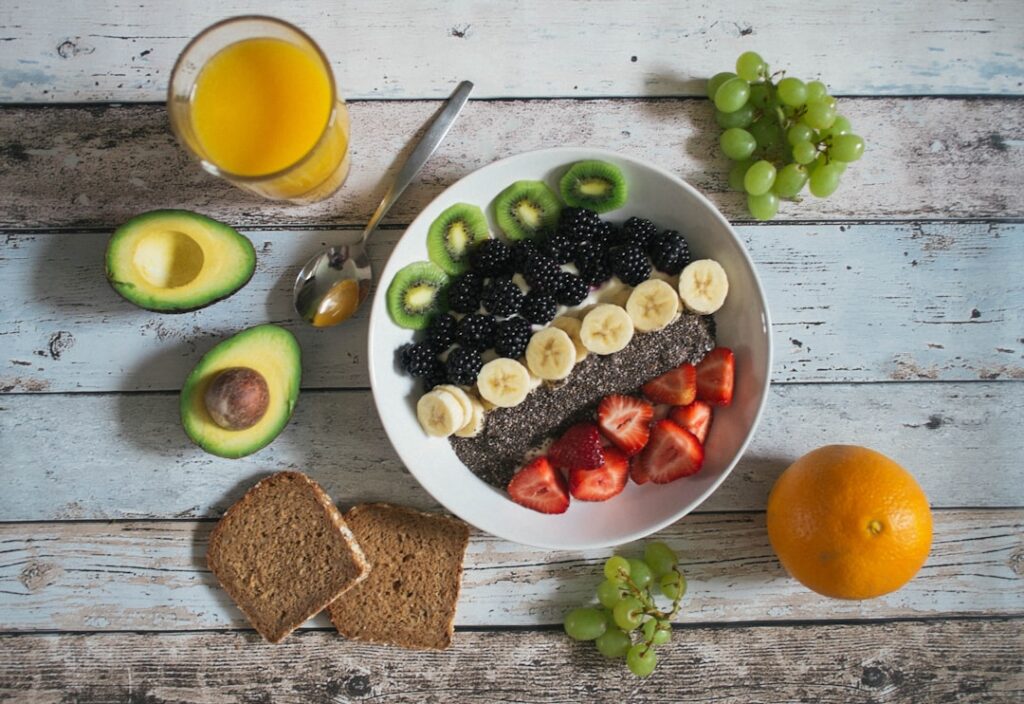
Think about eating an orange versus drinking a glass of orange juice. Both contain similar calories, but the orange, with its intact fiber, will make you feel significantly fuller and provide more sustained energy. This is a prime example of how fiber-rich whole food nutrition contributes to lasting satiety.
Protein and Satiety
Protein is another macronutrient powerhouse when it comes to feeling full and satisfied. It’s widely recognized for its high satiety effect, making it an invaluable part of healthy eating habits, especially for those focusing on weight management.
- Highest Satiety Factor: Protein has been consistently shown to be the most satiating of the three macronutrients (protein, fat, and carbohydrates). Eating adequate protein helps to reduce hunger hormones and increase satiety hormones, keeping you feeling full for longer periods.
- Thermic Effect of Food (TEF): Protein has a higher thermic effect of food compared to carbohydrates and fats. This means your body expends more energy (burns more calories) digesting, absorbing, and metabolizing protein than it does for other macronutrients. While the overall calorie burn might not be massive, it contributes to your daily energy expenditure.
- Muscle Preservation: Adequate protein intake is crucial for maintaining and building muscle mass. Muscle is more metabolically active than fat, meaning it burns more calories at rest. By preserving muscle, protein helps support a healthy metabolism.
- Stable Blood Sugar: Protein, especially when paired with carbohydrates, can help to slow down the absorption of sugars into the bloodstream, leading to a more stable blood sugar response and preventing rapid spikes and crashes that often lead to renewed hunger.
Including sources of plant-based protein like lentils, beans, tofu, tempeh, nuts, and seeds in your Vegan Recipes is an excellent strategy for enhancing satiety, managing hunger, and supporting a balanced diet. This focus on protein-rich whole food nutrition plays a significant role in calorie awareness and overall dietary success.
Blood Sugar Response Explained
The impact of different foods on your blood sugar levels is a critical component of understanding why calorie quality matters. When you eat carbohydrates, they are broken down into glucose (sugar), which enters your bloodstream. Your pancreas then releases insulin, a hormone that helps transport glucose from the blood into your cells for energy or storage.
However, not all carbohydrate-containing foods elicit the same blood sugar response:
- High Glycemic Foods: Foods rich in refined sugars and highly processed carbohydrates (e.g., white bread, sugary drinks, candies) are rapidly digested and absorbed. This leads to a quick and sharp spike in blood sugar, followed by a surge of insulin. This rapid insulin response can sometimes lead to blood sugar levels dropping too quickly, resulting in an “energy crash” and increased hunger shortly after eating.
- Low Glycemic Foods: Whole, unprocessed carbohydrates rich in fiber (e.g., whole grains, legumes, fruits, vegetables) are digested more slowly. This results in a gradual and sustained release of glucose into the bloodstream, leading to a more stable blood sugar response. Insulin is released more steadily, preventing sharp drops and helping to maintain consistent energy levels and satiety.
Understanding your blood sugar response is vital for managing energy, mood, and hunger. Consistently high blood sugar spikes and crashes can contribute to insulin resistance over time, which is linked to various health issues. By prioritizing complex carbohydrates with fiber, you promote stable blood sugar, which is fundamental for energy, focus, and reducing cravings, contributing to positive healthy eating habits.
Why Highly Processed Foods May Be Easier to Overeat
It’s no secret that many highly processed foods are incredibly tempting and difficult to stop eating once you start. This isn’t just a lack of willpower; it’s often a result of sophisticated food engineering designed to make them “hyper-palatable” and encourage overconsumption. Several factors contribute to why highly processed foods may lead to consuming more “empty calories”:
- Engineered for Palatability: Processed foods are often formulated with optimal combinations of sugar, fat, and salt to hit a “bliss point” that lights up reward centers in the brain. This makes them intensely pleasurable and hard to resist.
- Low Satiety Signals: As discussed, these foods typically lack fiber and often protein, meaning they do not effectively trigger the body’s natural satiety signals. Your stomach might be full in terms of volume, but your brain isn’t getting the right messages of satisfaction.
- Rapid Consumption: Many processed foods are designed to be easily chewed and swallowed, requiring less effort and allowing for faster consumption. This means you can eat a significant amount of calories before your body has a chance to register fullness.
- Lack of Micronutrients: While providing energy, these foods offer very little in terms of essential vitamins and minerals. Your body might continue to signal hunger, not for more calories, but for the nutrients it’s missing, leading to continued eating in search of those vital elements.
- Marketing and Accessibility: Highly processed foods are aggressively marketed and are often the most convenient and cheapest options, making them pervasive in our food environment.
Recognizing these mechanisms is crucial for developing mindful eating practices and making healthier food choices. By understanding why processed foods are so easy to overeat, you can consciously choose whole, nutrient-dense foods that naturally promote satiety and provide proper nutrition, rather than just empty calories.

Can You Lose Weight Eating Any Food?
From a purely mechanical standpoint, if you consistently consume fewer calories than your body expends, you will lose weight, regardless of the food source. This is the essence of the “calories in, calories out” principle. Theoretically, one could consume 1500 calories of candy bars and still lose weight if their maintenance calories were 2000. However, this narrow focus misses the critical bigger picture of health and sustainable weight management.
While weight loss might occur, the *quality* of those calories profoundly impacts:
- Satiety and Hunger: As we’ve explored, a diet rich in highly processed foods, even if calorie-controlled, will likely leave you feeling constantly hungry, leading to intense cravings and making adherence extremely difficult. Whole foods, rich in fiber and protein, provide lasting satiety.
- Nutrient Deficiencies: Relying on empty calories for weight loss means missing out on essential vitamins, minerals, antioxidants, and other beneficial compounds vital for bodily functions, energy levels, and disease prevention. This can lead to nutrient deficiencies, poor energy, and compromised immunity.
- Blood Sugar and Energy Levels: A diet dominated by refined sugars and starches will lead to unstable blood sugar, energy crashes, and mood swings. This makes it challenging to maintain physical activity and cognitive function.
- Long-Term Health: While short-term weight loss might be achieved, a diet lacking in nutrient density can have detrimental long-term health consequences, impacting everything from cardiovascular health to gut health and chronic disease risk.
- Relationship with Food: Focusing solely on calorie restriction with poor food choices can foster an unhealthy relationship with food, leading to feelings of deprivation, guilt, and eventually, rebound eating.
Therefore, while the physics of weight loss dictates that a calorie deficit is necessary, the biological and psychological reality is that the *quality* of the food you eat makes all the difference in achieving sustainable weight loss, optimal health, and a positive relationship with eating. It’s about empowering your body to feel good and thrive, not just about seeing a number on the scale change.
Food Quality Matters Most
The journey to better health isn’t solely about counting calories; it’s about understanding the profound impact of food quality. While being aware of your calorie intake is a useful tool, especially for weight management, it’s the nutritional value of those calories that truly empowers your body to function at its best. Embracing a focus on whole food nutrition is the most effective way to ensure you’re getting the essential nutrients your body needs.
By prioritizing whole foods vs processed foods – opting for vibrant fruits, crisp vegetables, hearty legumes, whole grains, and healthy fats – you naturally enhance your intake of fiber, protein, vitamins, and minerals. These choices lead to:
- Increased Satiety: Keeping you feeling fuller for longer, naturally reducing overall calorie intake without constant hunger.
- Stable Energy Levels: Preventing the peaks and valleys of blood sugar that lead to energy crashes and cravings.
- Optimal Nutrient Intake: Fueling your body with the building blocks it needs for every biological process.
- Improved Digestion and Gut Health: Supporting a healthy microbiome, which is linked to numerous aspects of well-being.
- Sustainable Weight Management: Making it easier to maintain a healthy weight without feeling deprived.
Adopting these healthy eating habits isn’t about rigid restriction or demonizing certain foods. It’s about conscious and mindful eating, making informed decisions that nourish your body and support a vibrant, healthy lifestyle. Start by making small, consistent changes: swap a processed snack for a piece of fruit, add a handful of greens to your meal, or choose whole grains over refined ones. Each choice is an investment in your well-being, proving that when it comes to nutrition, the quality of your calories truly does matter most.