Unlock Your Potential: The 4 Essential Exercises for Beginner Full Body Fitness
Are you ready to truly transform your fitness journey? It’s time to cut through the complexity and discover the power of simplicity. At Remedies Wellness, we believe that achieving a strong, balanced, and active body doesn’t require endless hours at the gym or a confusing array of exercises. In fact, you can build a solid foundation with just a handful of powerhouse moves.
This ultimate guide introduces you to the ONLY four essential exercises you need to kickstart your fitness journey. These aren’t just any exercises; they are compound movements designed to help you build strength, torch calories, enhance balance, and boost overall mobility. Get ready for maximum results with minimal complexity. From core to calves, these fundamental exercises are your blueprint for a healthier, more active lifestyle!
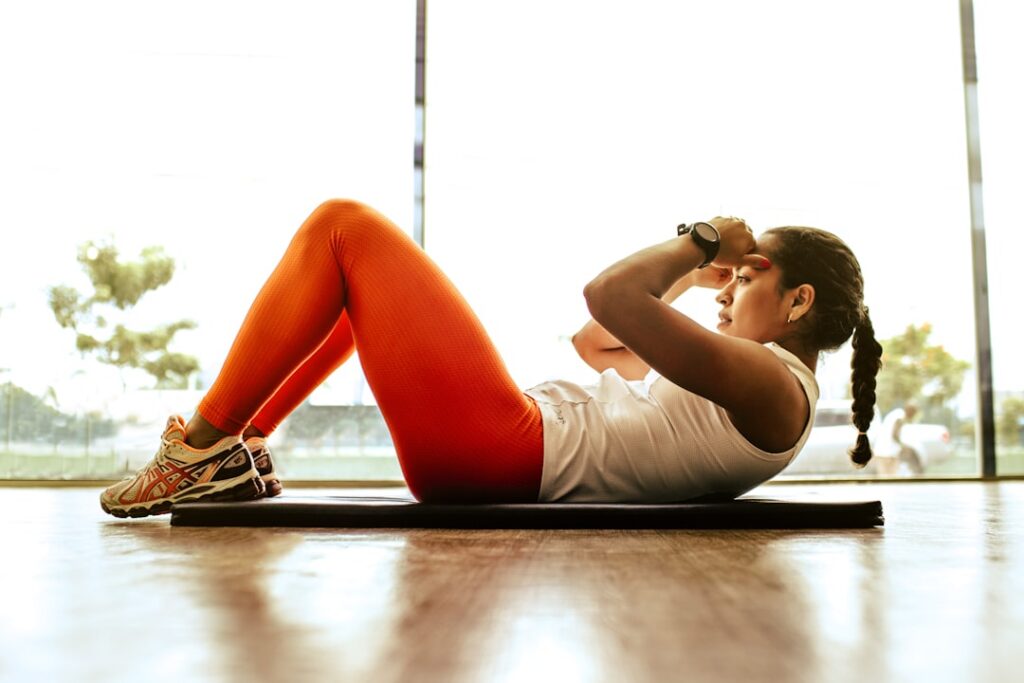
Table of Contents
- Why Compound Exercises Matter
- Exercise #1: Plank
- Exercise #2: Reverse Lunge
- Exercise #3: Single-Leg Deadlift
- Exercise #4: Jump Squat
- Muscles Worked: A Holistic View
- Beginner Full Body Workout Routine
- Progression Tips to Keep You Challenged
- Common Mistakes to Avoid
- Recovery & Stretching: Your Path to Longevity
- Nutrition Tips for Optimal Performance
- Frequently Asked Questions (FAQs)
- Final Thoughts: Your Journey Starts Now
- Disclaimer
Why Compound Exercises Matter
When it comes to efficient and effective strength training, compound exercises are your secret weapon, especially for beginners. Unlike isolation exercises that target a single muscle group (like bicep curls), compound movements engage multiple joints and muscle groups simultaneously. Think of a squat, which works your quads, hamstrings, glutes, and core all at once!
Here’s why they’re incredibly beneficial:
- Maximum Efficiency: You get more bang for your buck, working more muscles in less time. This is perfect for busy professionals and students with limited time for healthy cooking and gym sessions.
- Increased Calorie Burn: Engaging more muscles requires more energy, leading to a higher calorie expenditure during and after your workout, aiding in fat loss workout goals.
- Functional Strength: These movements mimic everyday activities like lifting, pushing, pulling, and bending, improving your overall functional fitness and making daily tasks easier.
- Improved Coordination & Balance: By challenging your body to move as a unit, compound exercises significantly enhance your coordination, stability, and balance.
- Hormonal Response: Engaging large muscle groups stimulates a greater release of growth hormones, which are crucial for muscle building and recovery.
- Better Joint Health: When performed with proper form, compound movements can strengthen the muscles surrounding your joints, providing better support and reducing injury risk.
These benefits make compound exercises an excellent foundation for any beginner workout or home workout routine, setting you up for sustainable progress and a healthier lifestyle.
Exercise #1: Plank
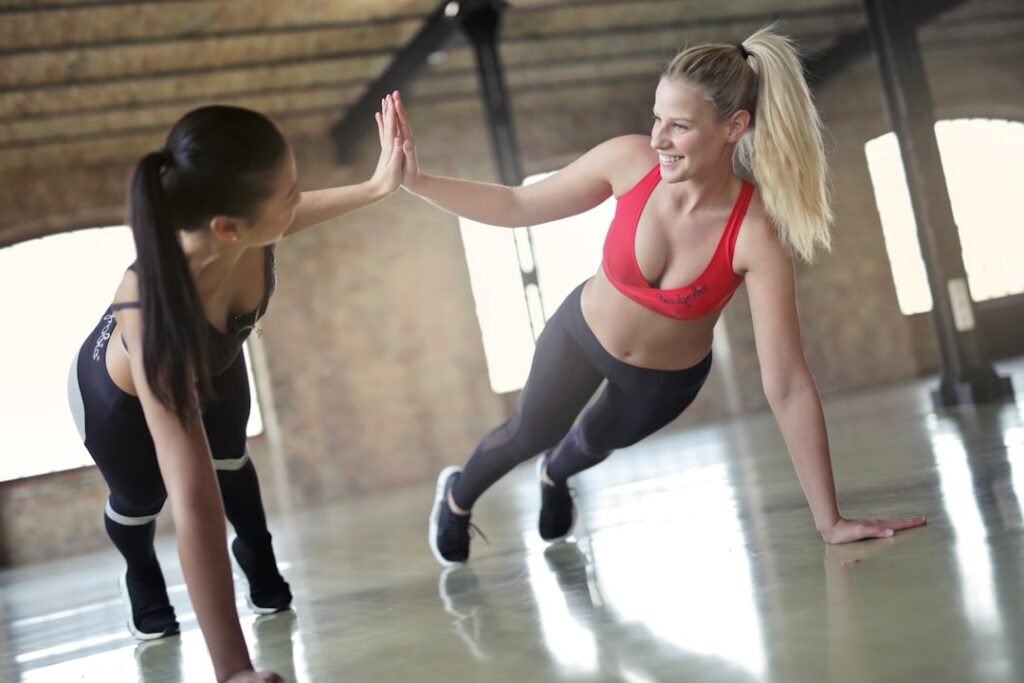
The plank exercise is often underestimated, but it’s a powerhouse for building core strength, stability, and endurance. It’s an isometric exercise, meaning your muscles contract without moving, which is fantastic for developing deep core strength.
Proper Form
- Start in a push-up position, but instead of bending your elbows, lower yourself onto your forearms.
- Your body should form a straight line from your head to your heels. Avoid letting your hips sag or rise too high.
- Engage your core by pulling your belly button towards your spine.
- Keep your gaze directed towards the floor to maintain a neutral neck and spine.
- Hold this position for the desired duration.
Primary Muscles Involved
- Core: Rectus abdominis, transverse abdominis, obliques
- Shoulders: Deltoids
- Back: Erector spinae
- Glutes & Quads: Also engaged for stability
Beginner Modification
Perform the plank on your knees instead of your toes, maintaining the straight line from head to knees.
Advanced Progression
Try a one-arm plank, a weighted plank (with a plate on your back), or plank jacks (jumping your feet out and in).
Sets and Repetitions
Aim for 3 sets, holding for 20-60 seconds each, with 30-60 seconds rest between sets.
Exercise #2: Reverse Lunge
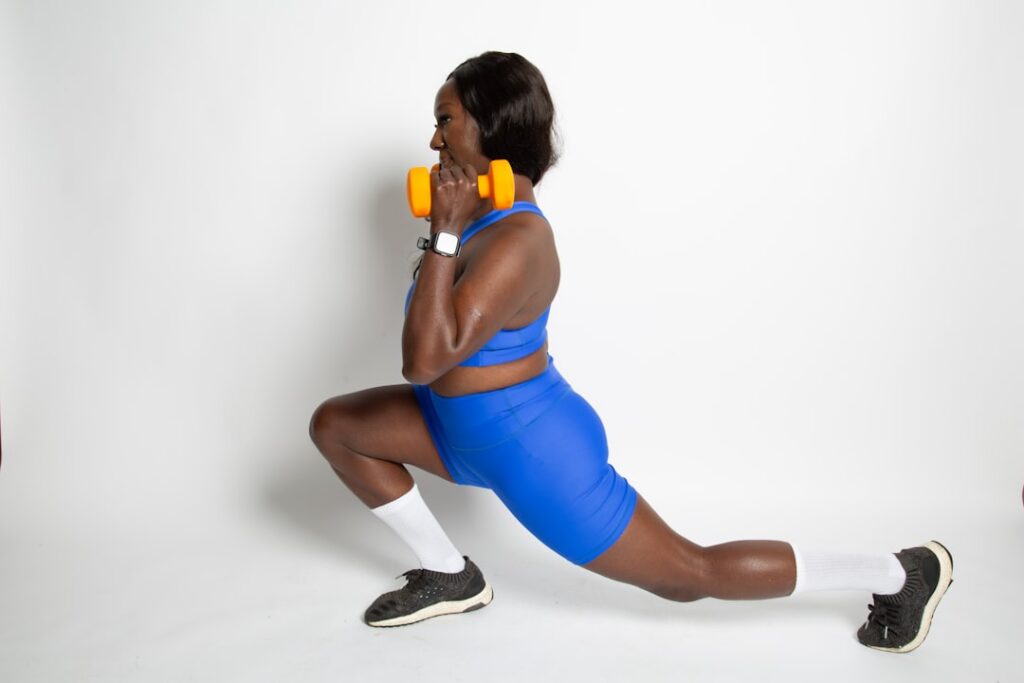
The reverse lunge is an excellent exercise for building lower body strength, improving balance, and enhancing hip mobility. It places less stress on the knees compared to forward lunges, making it a great option for beginners.
Proper Form
- Stand tall with your feet hip-width apart, hands on your hips or by your sides.
- Step one leg straight back, lowering your hips until both knees are bent at approximately a 90-degree angle.
- Your front knee should be directly over your ankle, and your back knee should hover just above the floor.
- Keep your torso upright and core engaged throughout the movement.
- Push off your back foot to return to the starting position.
- Alternate legs with each repetition or complete all reps on one side before switching.
Primary Muscles Involved
- Glutes: Gluteus maximus, medius
- Thighs: Quadriceps, hamstrings
- Core: Stabilizers
Beginner Modification
Reduce the depth of the lunge or hold onto a stable support (like a chair or wall) for balance.
Advanced Progression
Add dumbbells or a barbell for a weighted reverse lunge, or try a walking lunge for continuous movement.
Sets and Repetitions
Perform 3 sets of 8-12 repetitions per leg, with 60-90 seconds rest between sets.
Exercise #3: Single-Leg Deadlift
The single leg deadlift is a fantastic exercise for developing balance, core stability, and strengthening the posterior chain (glutes, hamstrings, lower back). It’s also excellent for addressing muscular imbalances between your left and right sides.
Proper Form
- Stand tall with your feet hip-width apart, arms at your sides.
- Shift your weight onto one leg, keeping a slight bend in that knee.
- Hinge at your hips, extending the opposite leg straight back behind you for balance.
- Lower your torso until it’s nearly parallel to the floor, forming a straight line from your head to the extended heel. You can extend your arms forward for counterbalance or hold a light dumbbell in the opposite hand of your standing leg.
- Keep your back flat and core engaged.
- Slowly return to the starting position, squeezing your glute as you stand tall.
Primary Muscles Involved
- Glutes: Gluteus maximus
- Hamstrings: Biceps femoris, semitendinosus, semimembranosus
- Core: Transverse abdominis, obliques
- Stabilizers: Ankles, knees
Beginner Modification
Perform the exercise without any weight, or keep your back toe lightly on the ground for support. You can also hinge less deeply.
Advanced Progression
Hold a dumbbell or kettlebell in the hand opposite to your standing leg. Increase the range of motion while maintaining perfect form.
Sets and Repetitions
Aim for 3 sets of 6-10 repetitions per leg, with 60-90 seconds rest between sets.
Exercise #4: Jump Squat
The jump squat is a dynamic, explosive exercise that builds power in your lower body, elevates your heart rate, and contributes significantly to fat loss workout routines. It’s an excellent way to incorporate plyometrics into your strength training.
Proper Form
- Stand with your feet shoulder-width apart, toes pointing slightly out.
- Lower into a regular squat position, keeping your chest up and core engaged.
- From the bottom of the squat, explode upwards, jumping as high as you can.
- Extend your arms downwards or swing them up for momentum.
- Land softly back into a squat position, absorbing the impact through your knees and hips, then immediately transition into the next jump.
Primary Muscles Involved
- Thighs: Quadriceps, hamstrings
- Glutes: Gluteus maximus
- Calves: Gastrocnemius, soleus
Beginner Modification
Start with regular bodyweight squats to master the form. Once comfortable, try a ‘calf raise’ at the top of a squat before attempting a full jump. Or reduce the height of your jump.
Advanced Progression
Perform tuck jumps (pulling your knees to your chest mid-air) or add a plyo box for higher jumps.
Sets and Repetitions
Perform 3 sets of 8-12 repetitions. Focus on quality and height of jump rather than speed. Rest 60-90 seconds between sets.
Muscles Worked: A Holistic View
These four exercises, while seemingly simple, provide a comprehensive full body workout. Let’s look at the major muscle groups they collectively engage:
- Core: All four exercises demand significant core engagement for stability, posture, and power transfer. This strengthens your abs, obliques, and lower back.
- Legs (Quadriceps & Hamstrings): The reverse lunge, single-leg deadlift, and jump squat heavily target these powerful leg muscles, essential for movement and strength.
- Glutes: Crucial for hip extension and power, your glutes get a fantastic workout from the lunges, deadlifts, and squats.
- Shoulders & Upper Back: While not primary movers, the plank engages your shoulders and upper back for stability, and maintaining an upright torso in lunges and deadlifts also uses these muscles.
- Calves: The explosive nature of the jump squat specifically targets your calves.
- Stabilizer Muscles: Perhaps most importantly, these exercises relentlessly train your smaller, often overlooked stabilizer muscles in your ankles, knees, and hips, leading to better balance and injury prevention.
Beginner Full Body Workout Routine
Consistency is key! Here’s a sample weekly workout schedule for those new to exercise routine:
Weekly Schedule
- Day 1: Full Body Workout (Perform all 4 exercises)
- Day 2: Active Recovery (Light walk, stretching, foam rolling)
- Day 3: Full Body Workout (Perform all 4 exercises)
- Day 4: Rest
- Day 5: Full Body Workout (Perform all 4 exercises)
- Day 6: Active Recovery or Rest
- Day 7: Rest
Aim for 3 sets of the recommended repetitions for each exercise. Focus on mastering the form before increasing reps or adding progressions.
Warm-up Recommendations (5-10 minutes before each workout)
- Light cardio (e.g., jumping jacks, high knees, marching in place)
- Dynamic stretches (e.g., arm circles, leg swings, torso twists, cat-cow stretches)
Progression Tips to Keep You Challenged
Once you’ve mastered the basic form and can comfortably perform the recommended sets and reps, it’s time to challenge yourself:
- Increase Repetitions: Gradually add 1-2 reps per set.
- Increase Sets: Add an extra set to your routine (e.g., from 3 to 4 sets).
- Decrease Rest Time: Shorten the rest period between sets.
- Add Weight: Incorporate dumbbells, kettlebells, or resistance bands to increase the load.
- Try Advanced Variations: As outlined for each exercise (e.g., pistol squats, jump lunges).
- Slow Down Tempo: Perform the eccentric (lowering) phase of an exercise more slowly to increase time under tension.
Common Mistakes to Avoid
Proper form is paramount to prevent injuries and maximize effectiveness. Here are some common pitfalls:
- Sacrificing Form for Speed/Reps: Always prioritize quality over quantity. If your form breaks down, reduce reps or revert to a modification.
- Holding Your Breath: Remember to breathe! Exhale on exertion, inhale on relaxation.
- Rounding Your Back: Especially critical in planks and single-leg deadlifts. Keep your spine neutral and core engaged.
- Knees Caving In: In squats and lunges, ensure your knees track over your toes, not inwards.
- Ignoring Core Engagement: A weak core compromises stability in almost every exercise. Actively brace your core.
- Skipping Warm-ups/Cool-downs: Essential for preparing your body and aiding recovery.
Recovery & Stretching: Your Path to Longevity
Your muscles grow and get stronger during recovery, not just during the workout. Don’t underestimate its importance!
- Active Recovery: Light activities like walking, swimming, or cycling on rest days can improve blood flow and reduce muscle soreness.
- Static Stretching: After your workout or on active recovery days, hold stretches for 20-30 seconds to improve flexibility (e.g., hamstring stretch, quad stretch, hip flexor stretch).
- Foam Rolling: Use a foam roller to release muscle tension and improve mobility.
- Sleep: Aim for 7-9 hours of quality sleep per night. This is when your body repairs and rebuilds.
- Hydration: Drink plenty of water throughout the day, especially around your workouts.
Nutrition Tips for Optimal Performance
Your diet fuels your fitness. Focus on these pillars to support your muscle gain and weight loss goals:
- Adequate Protein: Essential for muscle repair and growth. Aim for lean protein sources like chicken, fish, eggs, tofu, and legumes.
- Complex Carbohydrates: Provide sustained energy for your workouts. Choose whole grains, fruits, and vegetables.
- Healthy Fats: Important for hormone production and overall health. Avocados, nuts, seeds, and olive oil are great options.
- Hydration: As mentioned, vital for all bodily functions and performance.
- Portion Control: Be mindful of your intake to align with your calorie needs, whether for fat loss or muscle building.
- Whole Foods: Prioritize unprocessed, nutrient-dense foods. Minimize sugary drinks and highly processed snacks.
Frequently Asked Questions (FAQs)
Q1: Can I really get in shape with just these four exercises?
A: Absolutely! These four compound exercises (Plank, Reverse Lunge, Single-Leg Deadlift, Jump Squat) target major muscle groups throughout your entire body, building foundational strength, improving balance, and enhancing mobility. They are highly efficient for a full body workout and an excellent starting point for any beginner workout routine.
Q2: How often should a beginner perform this workout routine?
A: As a beginner, aim for 3 full-body workout sessions per week, with at least one rest day in between. This allows your muscles adequate time to recover and rebuild, which is crucial for muscle building.
Q3: What if I can’t do a full jump squat yet?
A: That’s perfectly fine! Start by mastering the regular bodyweight squat. Once you’re comfortable, you can gradually introduce a small ‘hop’ at the top, or perform a calf raise after each squat, before progressing to a full jump squat. Focus on the landing technique by absorbing impact softly.
Q4: How do I know if my form is correct?
A: The best way is to record yourself or work with a certified fitness coach. Pay attention to the cues provided for each exercise, focusing on a neutral spine, engaged core, and controlled movements. If you feel pain, stop immediately.
Q5: Is it okay to feel sore after a workout?
A: Mild muscle soreness (Delayed Onset Muscle Soreness or DOMS) is common, especially when starting a new routine. It typically peaks 24-48 hours after a workout. However, sharp pain or pain in joints is not normal and should be addressed.
Q6: Can these exercises help with weight loss?
A: Yes! Compound exercises engage many muscles, leading to a higher calorie burn during and after your workout. Combined with a balanced, healthy diet and consistent effort, they are very effective for fat loss.
Q7: What about cardio? Do I still need to do it?
A: While jump squats provide some cardiovascular benefits, incorporating dedicated cardio (like brisk walking, jogging, cycling, or swimming) 2-3 times a week for 20-30 minutes will further improve your cardiovascular health and contribute to your overall fitness and weight loss goals.
Q8: Should I stretch before or after my workout?
A: Perform dynamic stretches (movements) as part of your warm-up before your workout to prepare your muscles. Static stretches (holding positions) are best done after your workout or on separate active recovery days when your muscles are warm, to improve flexibility.
Q9: How long will it take to see results?
A: Results vary based on individual consistency, diet, and starting fitness level. However, with consistent effort (3 workouts/week) and proper nutrition, many beginners start to feel stronger and notice improvements in energy and body composition within 4-8 weeks.
Q10: What if I have limited space for a home workout routine?
A: These four exercises are excellent for limited spaces! The plank, reverse lunge, and single-leg deadlift require minimal room. For jump squats, just ensure you have enough vertical clearance. You can perform an effective home workout routine with just your bodyweight and a small area.
Q11: Can I do these exercises if I have knee pain?
A: It’s crucial to consult with a healthcare professional or physical therapist before starting any new exercise routine if you have pre-existing knee pain or injuries. While reverse lunges can be gentler on the knees, and modifications exist, professional guidance is recommended to ensure safety and effectiveness.
Q12: What should my rest periods be between sets?
A: For beginners, a rest period of 60-90 seconds between sets is generally recommended. This allows enough recovery for your muscles to perform the next set effectively while keeping the workout efficient. As you progress, you might decrease rest periods to increase intensity.
Final Thoughts: Your Journey Starts Now
Embarking on a fitness journey doesn’t have to be overwhelming. By focusing on these four fundamental exercises – the Plank, Reverse Lunge, Single-Leg Deadlift, and Jump Squat – you’re building a robust foundation for a strong, balanced, and functional body. These compound movements are efficient, effective, and perfect for anyone looking to improve their overall fitness, from weight loss to muscle building.
Remember, consistency, proper form, and listening to your body are your greatest allies. Combine these exercises with mindful nutrition and adequate recovery, and you’ll be well on your way to achieving your wellness goals. Your path to a healthier, more energetic life begins with these essential steps. Get moving, stay motivated, and embrace the strength within you!
Disclaimer
Always consult with a healthcare professional or certified fitness expert before starting any new workout for beginners or exercise routine, especially if you have any pre-existing health conditions or concerns. The information provided in this article is for general educational purposes only and is not intended as medical advice. Perform all exercises with proper form to prevent injury. Remedies Wellness is not responsible for any injuries or health problems that may result from practicing the exercises described herein.