Rice vs. Potato: A Comprehensive Nutritional Deep Dive
For anyone navigating a healthy, plant-based lifestyle, the quest for nutritious and satisfying carbohydrate sources is continuous. Two staples often find themselves in a head-to-head comparison: rice and potatoes. Both are incredibly versatile, budget-friendly, and globally consumed. But when it comes to your health goals—be it weight management, athletic performance, or simply maintaining a balanced diet—you might wonder: which one truly wins?
The truth is, both rice and potatoes are nutritional powerhouses in their own right, offering unique benefits that cater to different needs and preferences. This comprehensive guide will break down the facts, comparing one cup of cooked white rice with one medium baked potato, to help you make informed choices that best support your journey.
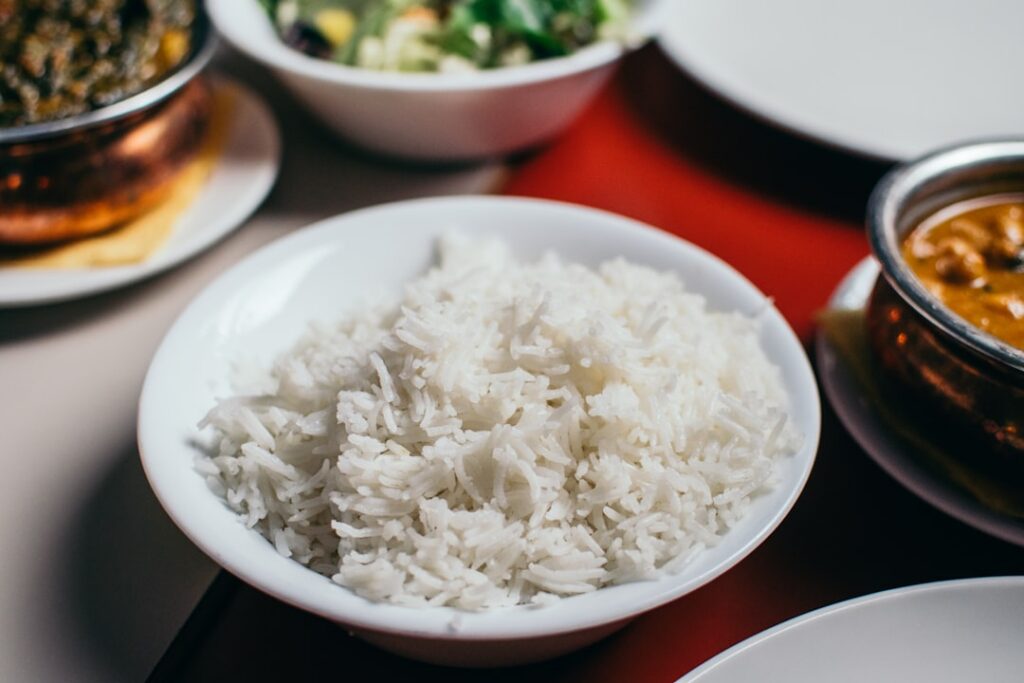
Table of Contents
- Rice vs Potato: What’s the Difference?
- Calories and Macronutrients
- Carbohydrates Explained
- Fiber Comparison
- Protein Comparison
- Vitamins and Minerals
- Glycemic Index vs Glycemic Load
- Which Keeps You Fuller?
- Best Choice for Weight Management
- Best Choice for Athletes
- Healthy Cooking Methods
- Frequently Asked Questions
- Final Thoughts
- Disclaimer
Rice vs Potato: What’s the Difference?
Before diving into the nitty-gritty of their nutritional profiles, let’s understand what these two fantastic plant-based foods bring to the table.
Rice
Rice is a staple food for over half of the world’s population. It comes in many varieties, with white and brown rice being the most common. White rice is refined, meaning its husk, bran, and germ have been removed, giving it a longer shelf life and quicker cooking time. Brown rice, on the other hand, is a whole grain, retaining its bran and germ, which provides more fiber and nutrients.
Potato
Potatoes are starchy tubers, originating from the Americas. Like rice, they come in various types, including russet, red, yellow, and sweet potatoes. Often misunderstood, potatoes are a fantastic source of energy and a surprisingly nutrient-dense food, especially when consumed with their skin.
Calories and Macronutrients
Let’s compare the core macronutrients for a standard serving size:
- One cup of cooked white rice (approximately 158g):
- Calories: Approximately 205 kcal
- Carbohydrates: Approximately 45g
- Protein: Approximately 4.3g
- Fat: Approximately 0.4g
- Fiber: Approximately 0.6g
- One medium baked potato with skin (approximately 173g):
- Calories: Approximately 161 kcal
- Carbohydrates: Approximately 37g
- Protein: Approximately 4.3g
- Fat: Approximately 0.2g
- Fiber: Approximately 3.8g
As you can see, a medium baked potato, serving for serving, tends to have slightly fewer calories and carbohydrates than white rice, while offering significantly more fiber and a similar amount of protein. This initial comparison highlights that both are excellent sources of energy, primarily from carbohydrates.
Carbohydrates Explained
Carbohydrates are the body’s primary source of energy. They are categorized into simple and complex carbs. Simple carbs are quickly digested, providing a rapid energy boost, while complex carbs are digested slower, offering sustained energy and satiety. Both rice and potatoes primarily provide complex carbohydrates, but their exact composition differs.
- Rice: White rice is largely starch, which is a complex carbohydrate. However, due to the refining process, it has less fiber, making its starches more readily available for digestion. Brown rice, being a whole grain, provides more complex carbohydrates with a higher fiber content.
- Potato: Potatoes are also rich in complex starches. A significant portion of these starches can be ‘resistant starch’, especially when potatoes are cooked and then cooled. Resistant starch acts like soluble fiber, benefiting gut health and blood sugar control.
Understanding these nuances helps in appreciating how each food contributes to your energy levels and overall health.
Fiber Comparison
Fiber is an indigestible carbohydrate essential for digestive health, blood sugar regulation, and satiety. This is where a notable difference appears:
- White Rice: Contains very little fiber (around 0.6g per cup).
- Baked Potato (with skin): Contains significantly more fiber (around 3.8g per medium potato). The skin of the potato is particularly rich in fiber, so eating it is key to maximizing this benefit.
A higher fiber intake is associated with a reduced risk of heart disease, type 2 diabetes, and certain cancers. If increasing your fiber intake is a priority, potatoes (especially with skin) offer a clear advantage over white rice.
Protein Comparison
While neither rice nor potatoes are considered high-protein foods, they do contribute to your daily intake:
- White Rice: Approximately 4.3g of protein per cup.
- Baked Potato: Approximately 4.3g of protein per medium potato.
Surprisingly, their protein content is quite similar on a per-serving basis. For those on a vegan diet, incorporating a variety of plant-based protein sources alongside these carbs is crucial to meet daily protein needs.
Vitamins and Minerals
Both rice and potatoes offer a range of essential micronutrients, though their specific profiles vary:
Nutrients in White Rice:
- Manganese: Important for bone health, metabolism, and antioxidant defense.
- Selenium: An antioxidant that supports thyroid function.
- Magnesium: Involved in over 300 biochemical reactions in the body, including muscle and nerve function.
- B Vitamins: Some B vitamins, especially folate, thiamine, and niacin, though often lost in processing and then added back (fortified).
Nutrients in Baked Potato (with skin):
- Vitamin C: A powerful antioxidant and crucial for immune function.
- Vitamin B6: Important for brain development and function, and the immune system.
- Potassium: Essential for blood pressure regulation, nerve function, and muscle contractions. Potatoes are an excellent source.
- Manganese: Similar to rice, potatoes also provide manganese.
- Iron: Plays a vital role in oxygen transport and energy production.
- Magnesium: Also present in significant amounts.
The potato, especially with its skin, tends to offer a broader spectrum of vitamins and minerals, particularly Vitamin C and potassium, making it a more micronutrient-dense option for those looking to boost these specific nutrients.
Glycemic Index vs Glycemic Load
The Glycemic Index (GI) measures how quickly a carbohydrate-containing food raises blood sugar. The Glycemic Load (GL) provides a more complete picture, accounting for both the GI and the amount of carbohydrate in a serving. High GI foods cause rapid spikes in blood sugar, while low GI foods lead to a slower, more sustained release of glucose.
- White Rice: Typically has a high GI (around 73), meaning it can cause a relatively quick rise in blood sugar. Its GL depends on the portion size.
- Potatoes: The GI of potatoes can vary widely depending on the type and cooking method (from medium to high, typically 50-80). For instance, a baked russet potato can have a GI around 78-80. However, the resistant starch in cooked and cooled potatoes can lower their overall impact on blood sugar.
Neither food is consistently low-GI, but pairing them with sources of fiber, protein, and healthy fats can significantly moderate their effect on blood sugar. For individuals managing blood sugar levels, monitoring portion sizes and combining these carbs with other nutrient-rich foods is key.
Which Keeps You Fuller?
Satiety, or the feeling of fullness, is crucial for appetite control and weight management. Several factors contribute to satiety, including fiber and protein content, and how quickly a food is digested.
- Potatoes: Due to their higher fiber content (when consumed with skin) and water content, potatoes often rank high on satiety indexes. The resistant starch mentioned earlier can also contribute to a longer feeling of fullness.
- White Rice: With less fiber, white rice is typically digested more quickly, which might lead to feeling hungry sooner compared to potatoes.
Therefore, if you’re looking for a carbohydrate source that helps you feel satisfied for longer, a baked potato (with skin) might have a slight edge.
Best Choice for Weight Management
For weight management, the focus should be on overall calorie intake, satiety, and nutrient density. Both rice and potatoes can fit into a healthy weight management plan, but with considerations:
- Potatoes: With fewer calories per comparable serving and higher fiber content, potatoes can be a more satiating option that helps control overall calorie intake. The feeling of fullness can prevent overeating.
- White Rice: While higher in calories per serving, white rice is easily digestible and can be an efficient energy source for active individuals. Portion control is especially important for white rice in a weight management context.
Ultimately, the cooking method plays a monumental role. A plain baked potato is vastly different from french fries, just as plain white rice differs from fried rice. Opt for simple, minimally processed preparations.
Best Choice for Athletes
Athletes require readily available energy for performance and efficient recovery. Both rice and potatoes are excellent choices for fueling an active lifestyle:
- White Rice: Its relatively quick digestion and high carbohydrate content make white rice an excellent choice for pre-workout fuel (providing fast energy) or post-workout recovery (replenishing glycogen stores quickly).
- Potatoes: Potatoes offer sustained energy due to their complex carbs and fiber, making them ideal for endurance athletes or as a satisfying component of a main meal. They also provide essential electrolytes like potassium, important for muscle function and hydration.
Many athletes incorporate both into their diet, using white rice for immediate energy needs and potatoes for sustained fuel and micronutrient intake.
Healthy Cooking Methods
The nutritional benefits of rice and potatoes can be significantly altered by how they are prepared. To maximize their health advantages, focus on these methods:
- Baking: Baking potatoes is one of the healthiest methods, especially when you eat the skin. Avoid loading them with high-fat, high-sodium toppings.
- Boiling/Steaming: Both rice and potatoes are best when simply boiled or steamed. This retains nutrients and avoids adding unnecessary fats or calories.
- Roasting: Roasting potatoes with a minimal amount of healthy oil (like olive oil) and herbs can be a delicious and nutritious option.
- Avoid Frying: Deep-frying either rice or potatoes (e.g., french fries, fried rice) drastically increases their calorie and unhealthy fat content, diminishing their nutritional value.
- Embrace Whole Grains: For rice, opt for brown rice more often than white rice to boost fiber and micronutrient intake.
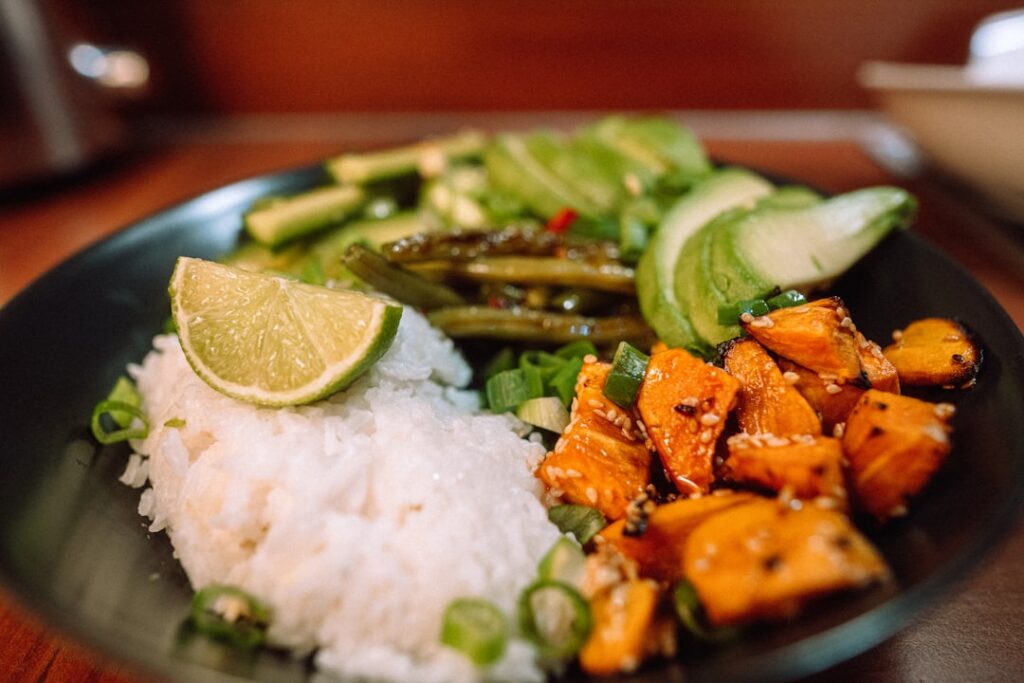
Pairing your rice or potatoes with plenty of non-starchy vegetables and a good source of plant-based protein will create a complete and balanced meal.
Frequently Asked Questions
Q1: Is white rice or potato better for blood sugar control?
A: Both can have a moderate to high glycemic index. However, potatoes, especially when cooled (due to resistant starch formation) and consumed with skin, may offer a slightly better impact on blood sugar due to higher fiber. Pairing either with protein, fat, and fiber-rich vegetables is key.
Q2: Can I eat rice and potatoes on a low-carb diet?
A: Both rice and potatoes are primarily carbohydrate-rich foods. They are generally limited or avoided on very strict low-carb diets. For moderate low-carb approaches, mindful portion control may allow for occasional inclusion.
Q3: Which is more nutrient-dense, rice or potato?
A: A medium baked potato with its skin tends to be more nutrient-dense per calorie, offering higher amounts of Vitamin C, potassium, and fiber compared to white rice.
Q4: Is brown rice healthier than white rice?
A: Yes, brown rice is a whole grain that retains its bran and germ, providing more fiber, magnesium, and other micronutrients than white rice. It generally has a lower glycemic index as well.
Q5: Are sweet potatoes a better alternative to white potatoes?
A: Sweet potatoes offer a slightly different nutritional profile, being richer in Vitamin A. Both white and sweet potatoes are highly nutritious and can be part of a healthy diet. The