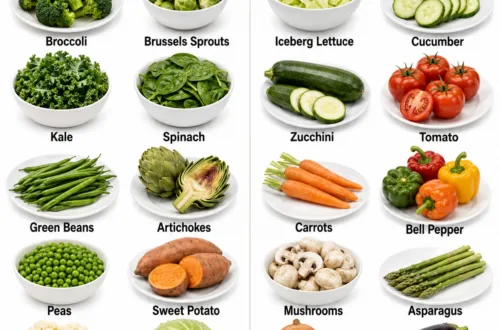
Healthy eating isn’t about rigid rules or cutting out your favorite treats. It’s about developing a deeper understanding of what your body truly needs, making informed food choices, and building balanced meals that complement your unique lifestyle. While many people tend to focus solely on calorie counts, the truth is that nutrition encompasses a much broader spectrum. Key components like protein, fiber, vitamins, minerals, healthy fats, and appropriate portion sizes all collaborate to fuel your health, sustain your energy levels, and support your long-term wellness journey.
In this comprehensive guide, we’ll delve into some of the most critical nutrition concepts. We’ll explore everything from the power of protein-rich foods and the benefits of various fiber sources to essential mineral-rich ingredients and practical strategies for smarter snacking.
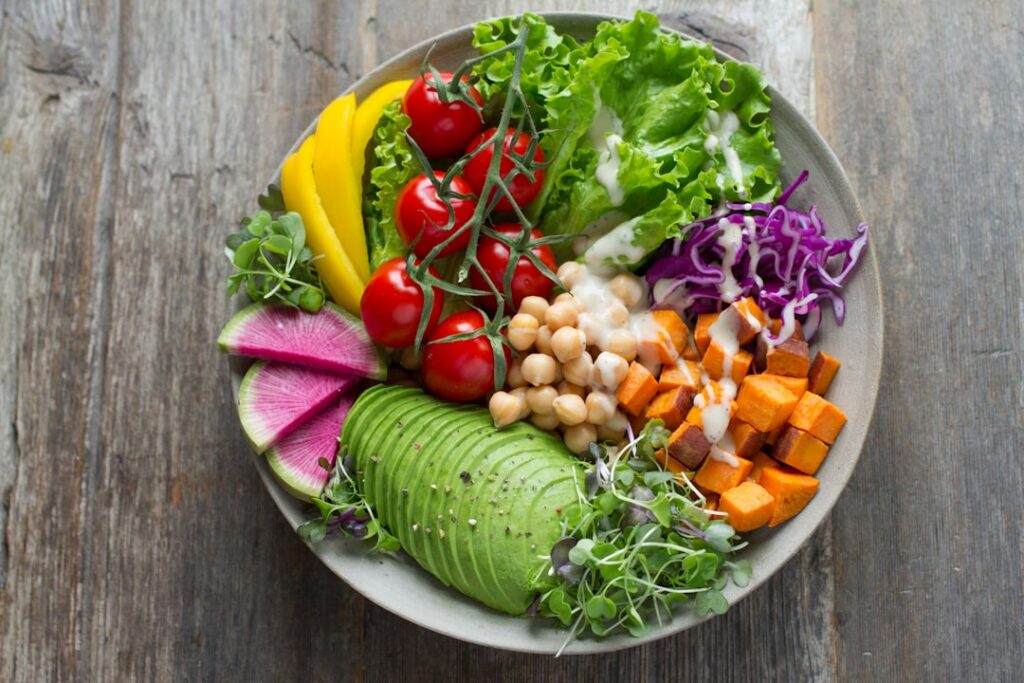 A well-balanced plate showcasing diverse nutrients.
Calories: Quality Matters as Much as Quantity
Calories are the fundamental units of energy that your body requires to function every single day. However, it’s crucial to understand that not all calories are created equal. Two meals might contain the exact same number of calories, yet offer vastly different nutritional value and impact on your body.
Consider this: 500 calories from a cheesecake will likely provide a significant amount of saturated fat and added sugars, offering little in terms of essential vitamins or fiber. In contrast, 500 calories derived from a balanced combination of fresh fruit, Greek yogurt, a medley of vegetables, and a handful of nuts would deliver a wealth of vitamins, minerals, fiber, and protein. This nutrient-dense option would keep you feeling satisfied for longer and provide sustained energy.
Instead of simply asking, “How many calories does this contain?” try shifting your perspective to these questions:
- Does this food help keep me full and satisfied?
- Does it provide valuable protein?
- Is it a good source of fiber?
- Does it offer essential vitamins and minerals?
- Will it support my energy levels throughout the day?
By prioritizing nutrient-dense foods, you often find yourself feeling fuller for extended periods, all while providing your body with the building blocks it needs for optimal health.
Protein: One of Your Body’s Most Important Nutrients
Protein is a macronutrient that plays a vital role in nearly every cell and function within your body. It’s truly a powerhouse nutrient!
The Many Roles of Protein
- Helps build and repair muscles, tissues, and cells.
- Supports a robust immune system.
- Contributes to the maintenance of healthy skin, hair, and nails.
- Increases satiety and a feeling of fullness after meals, which can be beneficial for managing appetite.
- Supports healthy aging by helping to preserve muscle mass.
Excellent Protein-Rich Foods
Animal Sources:
- Chicken breast
- Turkey
- Fish (salmon, tuna, cod)
- Eggs
- Greek yogurt
- Cottage cheese
- Lean beef
Plant Sources:
- Tofu
- Tempeh
- Edamame
- Lentils
- Chickpeas
- Beans (black beans, kidney beans)
- Soy products
For individuals whose dietary protein needs are challenging to meet through food alone, protein powders can be a convenient supplementary option. Always consult with a healthcare professional or registered dietitian to determine if supplements are right for you.
Fiber: The Nutrient Many People Don’t Get Enough Of
Often underestimated, fiber supports much more than just healthy digestion. It’s a critical component of a balanced diet.
Benefits of a Fiber-Rich Diet
- May help improve digestive regularity and overall gut health.
- Promotes a feeling of fullness, which can aid in weight management.
- Is associated with supporting healthy cholesterol levels.
- May help maintain stable blood sugar levels.
- Feeds beneficial gut bacteria, contributing to a healthy microbiome.
Excellent Fiber Sources
- Chia seeds
- Flaxseed
- Oats (oatmeal)
- Apples
- Pears
- Avocados
- Broccoli
- Lentils
- Beans
- Berries (raspberries, blueberries, blackberries)
Aim to incorporate vegetables or fruit into most of your meals whenever feasible to boost your fiber intake naturally.
Magnesium: The Mineral Behind Hundreds of Body Functions
Magnesium is an essential mineral involved in over 300 biochemical reactions throughout your body. It truly is a fundamental nutrient!
Key Contributions of Magnesium
- Contributes to proper muscle and nerve function.
- Supports strong and healthy bones.
- Plays a role in energy production at a cellular level.
- Aids in normal muscle contraction and relaxation.
- May assist in recovery processes after physical activity.
Foods Rich in Magnesium
- Pumpkin seeds
- Almonds
- Cashews
- Spinach and other leafy greens
- Black beans
- Dark chocolate (with high cocoa content)
- Whole grains (brown rice, whole wheat bread)
Including a diverse range of plant-based foods in your daily diet is one of the easiest ways to increase your magnesium intake.
Zinc: Small Mineral, Big Benefits
Though required in smaller amounts, zinc is another vital trace mineral that supports numerous essential bodily functions.
Key Contributions of Zinc
- Plays a crucial role in immune system function.
- Essential for protein synthesis and cell growth.
- Contributes to wound healing.
- Involved in DNA synthesis.
Common Food Sources of Zinc
Animal Foods:
- Oysters (one of the richest sources)
- Beef
- Lamb
- Eggs
- Seafood (crab, lobster)
Plant Foods:
- Pumpkin seeds
- Hemp seeds
- Chickpeas
- Lentils
- Beans
- Whole grains
Individuals following vegetarian or vegan diets may benefit from making a conscious effort to regularly consume a variety of zinc-rich plant foods to ensure adequate intake.
Selenium: A Powerful Trace Mineral
Selenium is a trace mineral, meaning your body only needs it in small quantities, but it is incredibly important for normal body function and overall health.
Key Contributions of Selenium
- Supports normal thyroid function.
- Acts as an antioxidant, helping to protect cells from damage.
- Contributes to immune system health.
Food Sources of Selenium
- Brazil nuts (one of the most concentrated sources – just a few nuts can provide your daily needs)
- Tuna
- Sardines
- Eggs
- Chicken
- Whole grains
Due to their high concentration, even a small portion of Brazil nuts can provide a significant amount of selenium. As with any food, moderation is important, especially with highly concentrated sources.
Fresh Fruit vs. Dried Fruit: Understanding the Differences
Both fresh and dried fruits originate from the same source, but the process of removing water from dried fruit concentrates its calories and natural sugars. Neither is inherently “better” than the other; the key lies in understanding their differences and practicing portion control.
Fresh Fruit Generally Offers:
- More water content, contributing to hydration.
- A larger serving volume for fewer calories.
- Lower calorie density per gram.
Dried Fruit Generally Offers:
- A longer shelf life and excellent portability for snacks.
- Concentrated nutrients (vitamins, minerals, fiber).
- Higher calorie and sugar density.
Fresh fruit may be easier to consume in larger portions due to its water content, while dried fruit is best enjoyed in smaller servings because it’s more concentrated. Always check labels for added sugars in dried fruit products.
Smarter Snacking: Fueling Your Day Wisely
Healthy snacks don’t have to be bland or boring! The goal of a satisfying snack is often to combine nutrients that provide sustained energy and keep hunger at bay between meals.
The Formula for a Satisfying Snack:
A great snack often thoughtfully combines:
- Protein: For satiety and muscle support.
- Fiber: For sustained fullness and digestive health.
- Healthy Fat: For satisfaction and nutrient absorption.
Great Snack Ideas:
- Greek yogurt with a handful of berries.
- Apple slices with a tablespoon of natural peanut butter.
- Cottage cheese with fresh fruit.
- Hummus with a variety of raw vegetables (carrots, bell peppers, cucumber).
- A small handful of mixed nuts.
- Hard-boiled eggs.
- Roasted chickpeas.
- Edamame (steamed or roasted).
Strategically chosen, balanced snacks can help reduce intense hunger between meals, potentially making it easier to avoid overeating during your main meals later in the day.
Portion Control Made Simple with Your Hands
You don’t always need a food scale or measuring cups to build balanced meals. Your own hands can serve as a surprisingly practical and consistent guide for estimating portion sizes!
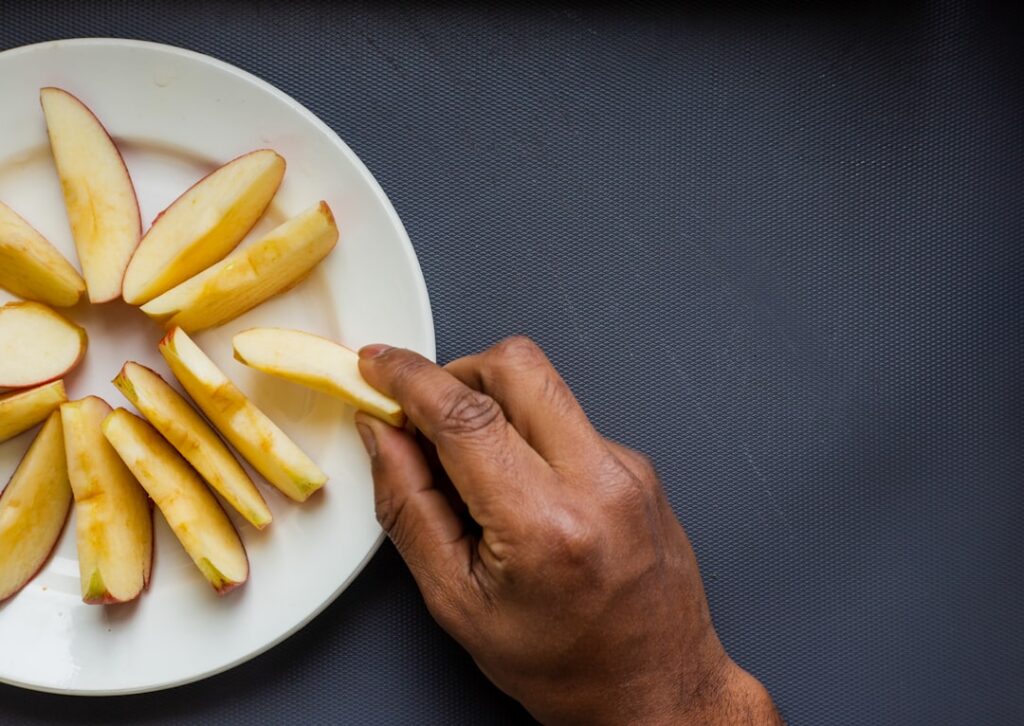 Use your hands as an easy guide for portion sizes.
A Simple Hand-Based Approach:
- Protein (e.g., chicken, fish, lean meat, tofu, eggs): About the size and thickness of your palm.
- Vegetables (e.g., broccoli, spinach, bell peppers, salad greens): Roughly one clenched fist or more. Aim for generous servings!
- Carbohydrates (e.g., rice, pasta, potatoes, oats, whole grains): Approximately one cupped hand or fist.
- Healthy Fats (e.g., nuts, seeds, nut butter, avocado, olive oil): About the size of your thumb.
This method is wonderfully flexible, easy to remember, and works well for guiding your portion sizes during everyday meals, making healthy eating more intuitive.
Build a Balanced Plate: A Holistic Approach
Instead of fixating on just one nutrient, the most effective approach to healthy eating is to combine several healthy food groups in each meal. This ensures a broad spectrum of nutrients and greater satisfaction.
An Example Balanced Meal Might Include:
- Protein: Grilled chicken breast, baked salmon, pan-fried tofu, or a serving of lentils.
- Vegetables: Steamed broccoli, sautéed spinach, roasted carrots, or colorful bell peppers.
- Whole Grains (or other complex carbohydrates): Brown rice, quinoa, a baked sweet potato, or oats.
- Healthy Fats: A quarter of an avocado, a drizzle of olive oil, a sprinkle of pumpkin seeds, or a few almonds.
This thoughtful combination provides a wide variety of essential nutrients that work synergistically to support energy levels, promote satiety, and contribute to overall long-term health.
Frequently Asked Questions About Nutrition
Is protein the most important nutrient for weight loss?
Protein can certainly help increase feelings of fullness and support the maintenance of muscle mass during periods of weight loss. However, successful weight management is a complex process that depends on a holistic approach including overall eating patterns, regular physical activity, adequate sleep, and other lifestyle factors.
Are calories all that matters for weight?
While calorie intake does influence weight changes, the quality of your food is equally important. Choosing nutrient-dense foods can help you meet your nutritional needs, provide sustained energy, and leave you feeling more satisfied, which can indirectly support weight management goals.
Is fruit too high in sugar?
Whole fruits contain naturally occurring sugars, but these come packaged with essential fiber, vitamins, minerals, and water. For most individuals, whole fruit can be a valuable and delicious part of a healthy eating pattern. It’s generally preferred over fruit juices or dried fruits with added sugars, which lack the same fiber content.
Do I need to take supplements?
Most essential nutrients can be obtained through a varied and balanced diet rich in whole foods. If you have concerns about specific nutrient deficiencies, or if you have particular health conditions, it is always best to consult with a qualified healthcare professional or registered dietitian before starting any supplements.
Is counting calories necessary for healthy eating?
Not always. Many people successfully manage their nutrition and achieve health goals by focusing on balanced meals, developing an awareness of appropriate portion sizes, and prioritizing minimally processed whole foods, rather than meticulously tracking every single calorie. Listen to your body’s hunger and fullness cues.
Final Thoughts: Consistency Over Perfection
Good nutrition isn’t about striving for perfection or adhering to rigid, fleeting diets; it’s about cultivating consistency and making sustainable choices. By understanding the fundamental roles of calories, protein, fiber, essential vitamins, minerals, and appropriate portion sizes, you can make more informed decisions about your food without overcomplicating your meals.
Rather than labeling foods as “good” or “bad,” adopt a mindset of balance and moderation. Focus on building your meals around whole, unprocessed foods. Always aim to include a reliable source of protein, add a generous array of colorful vegetables, opt for high-fiber carbohydrates, and incorporate healthy fats in sensible portions. Remember, small, consistent habits practiced over time often yield far greater and more lasting results than short-term, restrictive eating plans.
Disclaimer: This article is for informational purposes only and is not intended to be a substitute for professional medical advice, diagnosis, or treatment. Always seek the advice of your physician or other qualified health provider with any questions you may have regarding a medical condition.
Learn More About Smart Nutrition
Ready to deepen your understanding of calories, portion awareness, protein, essential vitamins, minerals, and practical everyday healthy eating strategies? Visit our website for more practical nutrition guides, helpful food comparisons, calorie tips, balanced meal ideas, and easy-to-understand resources designed to help you build healthier eating habits one meal at a time!