When planning healthy, plant-based meals, one of the most common dilemmas many face is choosing between white rice and brown rice. Both are staples in countless cuisines worldwide, providing essential carbohydrates for energy. But beyond their color, what truly sets them apart nutritionally? Is one inherently ‘better’ than the other? This comprehensive guide will explore the science-backed differences, helping you make informed choices that best fuel your body and align with your health goals, all while emphasizing that both can absolutely fit into a balanced, healthy eating pattern.
We’ll dive into the processing, nutritional profiles, and practical considerations like digestion, cooking, and how to incorporate each into your daily diet for maximum benefit. Our aim is to simplify the facts, providing high-value insights to empower your healthy meal planning journey.
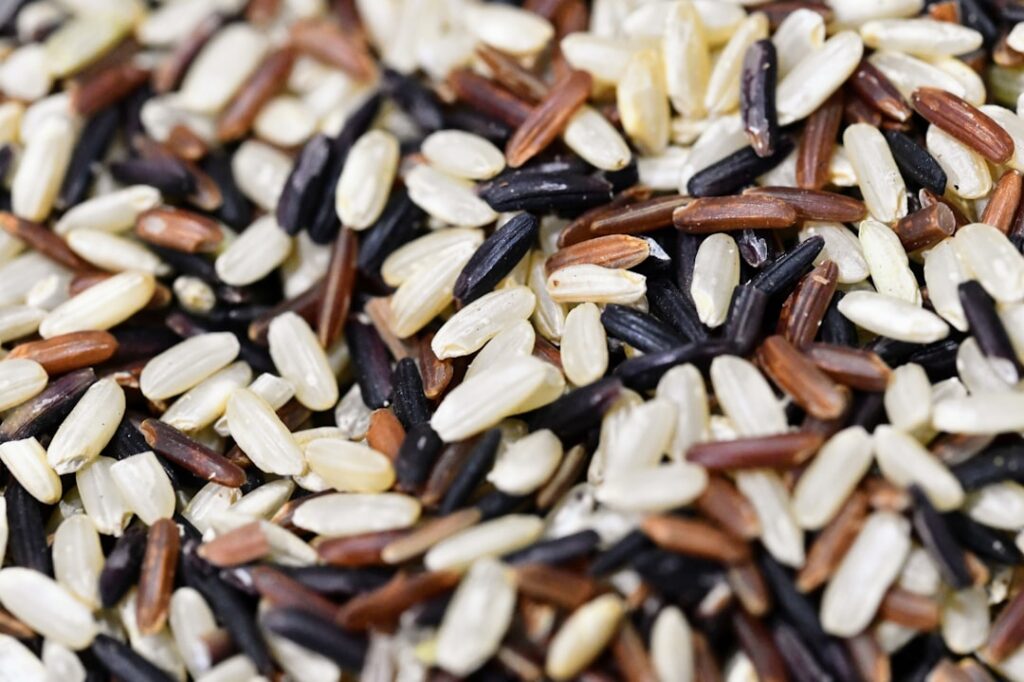
What Makes Brown Rice Different? The Whole Grain Story
To understand the nutritional disparities, it’s crucial to first grasp the basic anatomy of a rice grain. Every grain of rice, whether white or brown, starts as a whole grain. A whole grain consists of three main edible parts:
- The Bran: This is the hard, outer layer of the grain, rich in fiber, antioxidants, and B vitamins.
- The Germ: The embryo of the seed, which has the potential to sprout into a new plant. It’s packed with B vitamins, some protein, minerals, and healthy fats.
- The Endosperm: The largest part of the grain, serving as the food supply for the germ. It’s primarily composed of starchy carbohydrates, along with some protein.
Brown rice is a ‘whole grain’ because it retains the bran and germ layers, along with the endosperm. Only the outermost inedible hull is removed. This minimal processing ensures that brown rice keeps its natural goodness, including its distinctive nutty flavor and chewy texture.
White rice, on the other hand, is a ‘refined grain.’ During its processing, the bran and germ are removed, leaving only the starchy endosperm. This refining process significantly alters its nutritional profile. While some white rice is enriched with added nutrients like iron and B vitamins to compensate for what’s lost, it still lacks the fiber and many phytochemicals found naturally in the bran and germ.
Why Brown Rice Contains More Fiber
The primary reason brown rice is a powerhouse of fiber compared to white rice lies directly in its whole grain nature. As mentioned, the bran layer, which is present in brown rice but removed from white rice, is the richest source of dietary fiber. This fiber includes both soluble and insoluble types, both vital for digestive health. Insoluble fiber adds bulk to stool, promoting regular bowel movements and preventing constipation, while soluble fiber can help manage blood sugar levels and may contribute to heart health by lowering LDL (‘bad’) cholesterol.
A typical serving of brown rice can offer significantly more fiber than white rice. For instance, one cup of cooked brown rice may provide around 3 grams of fiber, whereas the same amount of white rice typically offers less than 1 gram. This difference is substantial, especially when considering the recommended daily fiber intake for adults, which ranges from 25 to 38 grams.
Calories and Macronutrients: A Closer Look
When it comes to calories and the main macronutrients (carbohydrates, protein, and fat), the differences between white and brown rice are not as stark as many might assume. Both types are primarily sources of carbohydrates, which are the body’s preferred energy source.
- Carbohydrates: Both white and brown rice are excellent sources of complex carbohydrates. A cup of cooked white rice contains approximately 45 grams of carbohydrates, while a cup of cooked brown rice has about 46 grams. This slight difference is negligible in the context of a balanced diet.
- Protein: There’s also a minimal difference in protein content. A cup of cooked brown rice provides around 5 grams of protein, compared to about 4 grams in white rice. While rice isn’t a complete protein on its own, when combined with legumes or other plant-based proteins, it contributes meaningfully to your daily intake.
- Fat: Brown rice contains a slightly higher amount of healthy fats due to the presence of the germ. A cup of cooked brown rice has approximately 1.6 grams of fat, whereas white rice has about 0.4 grams. These fats are mostly unsaturated and contribute to the nutty flavor and overall nutritional value of brown rice.
- Calories: Calorie counts are also very similar. One cup of cooked brown rice contains roughly 216 calories, while a cup of cooked white rice has about 205 calories. The minor difference often comes down to the slightly higher fiber and fat content in brown rice.
The key takeaway here is that neither white nor brown rice is a ‘low-carb’ or ‘high-protein’ food in isolation. Both serve primarily as a carbohydrate source. The real nutritional advantage of brown rice stems from its micronutrient and fiber density, not its macronutrient composition.
Fiber Comparison: The Digestive Health Advantage
As highlighted, fiber is where brown rice truly shines. Beyond preventing constipation, the dietary fiber in brown rice plays a crucial role in maintaining overall digestive health and supporting gut microbiota diversity. A healthy gut microbiome is increasingly linked to various aspects of health, including immune function, mental well-being, and even weight management.
The higher fiber content in brown rice also contributes to a greater feeling of fullness and satiety after meals. This can be particularly beneficial for those looking to manage their portion sizes and overall calorie intake, as it may help prevent overeating.
Why White Rice Is Easier to Digest for Some People
While brown rice’s fiber content is a significant health benefit for most, there are specific situations where white rice might be a more suitable choice due to its easier digestibility.
The very same fiber and other components in the bran and germ that make brown rice so nutritious can also make it more challenging to digest for individuals with sensitive digestive systems or certain medical conditions. People experiencing:
- Acute digestive issues: Such as during a bout of gastroenteritis, flare-ups of irritable bowel syndrome (IBS), or after digestive surgery.
- Inflammatory bowel diseases (IBD): Like Crohn’s disease or ulcerative colitis, especially during periods of inflammation, where a low-fiber diet is often recommended to reduce gut irritation.
- Chemotherapy patients: Who may experience digestive distress and require a more easily digestible diet.
For these individuals, white rice, being largely starch, offers a gentler option. It moves through the digestive tract with less residue and can be less irritating to a compromised gut. It’s a common component of a BRAT diet (Bananas, Rice, Applesauce, Toast) often recommended for mild digestive upset. It’s important to consult with a healthcare provider or registered dietitian for personalized dietary advice if you have specific digestive health concerns.
Vitamins and Minerals: A Micronutrient Deep Dive
Beyond macronutrients, the micronutrient profiles of white and brown rice also differ significantly, primarily because brown rice retains its nutrient-rich bran and germ.
Minerals
Brown rice is a much better source of several key minerals:
- Magnesium: Essential for over 300 biochemical reactions in the body, including nerve and muscle function, blood glucose control, and blood pressure regulation. Brown rice is a good source, while white rice has minimal amounts.
- Manganese: Crucial for bone development, metabolism, and antioxidant defense. Brown rice provides an excellent amount.
- Selenium: An important antioxidant that supports thyroid function and the immune system. Brown rice contains more selenium.
- Phosphorus: Key for healthy bones and teeth, and for energy production.
- Zinc: Vital for immune function, wound healing, and DNA synthesis.
While white rice does contain some of these minerals, its levels are substantially lower compared to brown rice. Enriched white rice may have some iron added back, but it generally falls short in the broader spectrum of trace minerals.
Vitamins
Brown rice also outshines white rice in its vitamin content, particularly B vitamins:
- Thiamine (B1): Essential for energy metabolism.
- Niacin (B3): Important for DNA repair and cellular energy.
- Pyridoxine (B6): Plays a role in metabolism, immune function, and brain development.
Again, enriched white rice often has thiamine, niacin, and pyridoxine added back, but the levels and range of B vitamins found naturally in whole grain brown rice are typically more comprehensive.
Glycemic Index vs. Glycemic Load: Understanding Blood Sugar Impact
The Glycemic Index (GI) and Glycemic Load (GL) are important metrics for understanding how different foods affect blood sugar levels. For individuals managing diabetes, insulin resistance, or simply aiming for stable energy levels, these can be crucial considerations.
- Glycemic Index (GI): The GI ranks carbohydrates on a scale from 0 to 100 based on how quickly they raise blood sugar levels after eating. Foods with a high GI are rapidly digested and absorbed, causing a quick spike in blood sugar. Foods with a low GI are digested more slowly, leading to a more gradual and sustained rise in blood sugar.
- Glycemic Load (GL): The GL takes into account both the GI of a food and the actual amount of carbohydrates in a typical serving. It provides a more realistic picture of a food’s impact on blood sugar.
Brown rice generally has a lower GI and GL than white rice. The fiber in brown rice slows down the digestion and absorption of carbohydrates, leading to a more gradual rise in blood sugar. White rice, with its lack of fiber, is digested more quickly, resulting in a faster and higher blood sugar spike. For instance, white rice typically has a GI of 64-70, while brown rice ranges from 50-55. The GL also tends to be lower for brown rice per serving.
However, it’s vital to remember that the GI and GL of a meal are influenced by everything consumed together. Pairing white rice with protein, healthy fats, and plenty of non-starchy vegetables can significantly lower the overall glycemic impact of the meal. This is a key aspect of balanced diet principles.
Weight Management: How Rice Fits In
When it comes to weight management, the choice between white and brown rice isn’t about avoiding carbohydrates altogether, but rather about making smart, informed choices that support your goals. Both types of rice provide energy, but their impact on satiety can differ.
The higher fiber content in brown rice can be advantageous for weight management. Fiber adds bulk to meals without adding extra calories, helping you feel fuller for longer. This increased satiety can lead to reduced overall calorie intake throughout the day, as you’re less likely to snack between meals. Studies have shown that diets rich in whole grains, like brown rice, are associated with a lower risk of obesity and better weight control.
However, portion control remains paramount for both. Overconsumption of any calorie-dense food, including brown rice, can contribute to weight gain. Similarly, white rice can be part of a weight management plan when consumed in appropriate portion sizes and balanced with other nutrient-dense foods.
Ultimately, a healthy eating pattern for weight management focuses on overall dietary quality, including plenty of vegetables, lean proteins (plant-based in our case), healthy fats, and appropriate carbohydrate sources, rather than fixating on a single food item.
Sports Nutrition: Fueling Performance
For athletes and active individuals, carbohydrates are the primary fuel source for performance and recovery. The choice between white and brown rice often depends on the timing relative to exercise and individual digestive tolerance.
- Pre-Workout: Before intense exercise, many athletes opt for carbohydrates that are quickly digested and absorbed to provide readily available energy without causing digestive upset. In this scenario, white rice, with its lower fiber content, can be an excellent choice. It delivers a rapid glucose supply to the muscles and brain, minimizing the risk of bloating or discomfort that higher-fiber foods might cause during physical activity.
- Post-Workout: After exercise, quick carbohydrate replenishment is crucial to restore muscle glycogen stores and initiate recovery. Again, white rice can be beneficial due to its fast absorption, allowing for efficient nutrient delivery to tired muscles.
- Everyday Fuel/Training Diets: For general training and as a staple in a balanced diet, brown rice is often preferred for its sustained energy release and superior micronutrient profile. Its fiber content provides steady energy, preventing energy crashes, and its vitamins and minerals support overall health, immune function, and recovery processes.
Listen to your body. Some athletes find brown rice perfectly fine pre-workout, while others prefer white. Experimenting to see what works best for your digestive system and energy levels is key.
Which Rice Is Better for Different Goals?
Understanding the nuances of each rice type allows for strategic inclusion in your diet based on specific health and lifestyle goals.
For General Health and Disease Prevention
Brown Rice: Given its comprehensive nutritional profile—high fiber, numerous vitamins, and essential minerals—brown rice is generally recommended as the superior choice for overall health and the prevention of chronic diseases. Regular consumption of whole grains like brown rice is linked to a reduced risk of heart disease, type 2 diabetes, and certain cancers. Its sustained energy release also supports stable blood sugar levels.
For Digestive Sensitivity or Acute Illness
White Rice: As discussed, for individuals with sensitive digestive systems, conditions like IBS flare-ups, or during recovery from gastrointestinal illness, white rice can be a gentler option. Its lower fiber content reduces the burden on the digestive system, making it easier to tolerate and absorb nutrients when the gut is compromised.
For Athletes (Timing Specific)
White Rice: Ideal pre- or post-workout for quick energy and muscle glycogen replenishment without digestive upset. Its rapid absorption is an advantage in these specific windows.
Brown Rice: Excellent for everyday fuel and general training diets, providing sustained energy and supporting overall health and recovery with its rich micronutrient content.
For Weight Management
Brown Rice: Its higher fiber content promotes satiety, potentially leading to reduced calorie intake and better weight control. However, portion control is vital for both types of rice.
White Rice: Can fit into a weight management plan when consumed in moderation and balanced with other nutrient-dense foods. Focus on overall meal composition.
Current Dietary Recommendations and Meal Balance
Leading health organizations, such as the USDA and Harvard T.H. Chan School of Public Health, consistently recommend prioritizing whole grains in the diet. The Dietary Guidelines for Americans, for example, advise that at least half of your grain intake should come from whole grains.
This recommendation directly supports the inclusion of brown rice as a staple. However, it’s crucial to understand that ‘prioritizing’ does not mean ‘exclusively eating.’ Both white and brown rice can harmoniously coexist within a balanced diet.
Portion Size Matters
Regardless of whether you choose white or brown rice, portion control is a cornerstone of healthy eating. A typical serving size of cooked rice is about ½ to 1 cup (100-200 grams). Being mindful of your portion helps manage calorie intake and ensures that rice plays its role as part of a larger, balanced meal, rather than dominating it.
The Art of Meal Balance
The true power of healthy eating lies in the balance of your entire plate, not just one ingredient. When planning meals with either white or brown rice:
- Pair with Plenty of Vegetables: Load up on non-starchy vegetables (broccoli, bell peppers, leafy greens) to boost fiber, vitamins, and minerals. This also helps lower the overall glycemic load of the meal.
- Include Lean Plant-Based Protein: Incorporate tofu, tempeh, lentils, beans, or seitan to provide satiety and essential amino acids. Protein also helps slow down carbohydrate absorption.
- Add Healthy Fats: A drizzle of olive oil, avocado, nuts, or seeds provides healthy fats, which are crucial for nutrient absorption and satiety.
- Mindful Eating: Pay attention to your body’s hunger and fullness cues. Eating slowly and savoring your food can enhance digestion and satisfaction.
Frequently Asked Questions About Rice
Q: Is brown rice gluten-free?
A: Yes, both white rice and brown rice are naturally gluten-free, making them excellent staples for individuals with celiac disease or gluten sensitivity.
Q: Does brown rice contain arsenic?
A: All rice can contain trace amounts of arsenic, a naturally occurring element in soil and water. Brown rice, due to its bran layer, tends to accumulate slightly higher levels than white rice. However, for most people, the health benefits of brown rice outweigh the minimal risk from arsenic, especially when consuming a varied diet. To reduce arsenic levels, you can rinse rice thoroughly before cooking and cook it in a high water-to-rice ratio (e.g., 6 cups of water to 1 cup of rice), then drain the excess water.
Q: Can brown rice help lower cholesterol?
A: Yes, the soluble fiber in brown rice can contribute to lowering LDL (‘bad’) cholesterol levels. Soluble fiber binds to cholesterol in the digestive tract, helping to excrete it from the body.
Q: Is basmati rice better than jasmine rice nutritionally?
A: Both basmati and jasmine rice are aromatic white rice varieties, meaning they have undergone the refining process. Nutritionally, their differences are minor. Brown basmati or brown jasmine rice would offer the whole grain benefits over their white counterparts.
Q: How long does brown rice take to cook compared to white rice?
A: Brown rice typically takes longer to cook than white rice. While white rice might be ready in 15-20 minutes, brown rice usually requires 30-45 minutes due to its tougher bran layer. Soaking brown rice for 30 minutes before cooking can slightly reduce cooking time.
Final Thoughts: Embrace Both in Your Healthy Eating Journey
The ‘white rice vs. brown rice’ debate isn’t about declaring a single victor, but rather understanding their unique roles in a healthy, plant-based diet. Brown rice, with its rich fiber, vitamin, and mineral content, stands out as a superior choice for overall health, promoting digestive wellness, stable blood sugar, and sustained energy. It perfectly aligns with recommendations for increasing whole grain intake.
However, white rice holds its own as a valuable source of quick energy, especially around exercise, and can be a blessing for those with digestive sensitivities. It’s not a ‘bad’ food; it’s simply a more refined carbohydrate that, when paired intelligently with other nutrient-dense foods, fits perfectly into a balanced plate.
The key takeaway for any mindful eater is to focus on a diverse and balanced approach. Embrace the nutritional power of brown rice for your everyday meals, and don’t hesitate to enjoy white rice when your body or specific circumstances call for it. Your plant-based journey is about nourishing your body with variety, understanding, and joy!