In the bustling world of wellness, we often hear about the latest ‘superfood’ — a single ingredient touted to revolutionize your health. But what if the true secret to vitality isn’t a single food, but a symphony of diverse nutrients? At Glowra Health, we believe a truly balanced diet is key for total organ health, working in harmony to support every cell and system in your body.
Every bite you take contributes to your body’s amazing network. Rather than focusing on isolated ‘superfoods,’ a comprehensive approach to eating can nourish your organs, enhance your well-being, and provide sustained energy. This article will explore how a diverse array of foods supports specific parts of your body, underlining why variety and balance truly reign supreme in your wellness journey.
The “You Are What You Eat” Philosophy
The old adage holds more truth than ever. The nutrients we consume directly impact the function and health of our organs, from the brain to the heart, and every cell in between. Understanding these connections empowers us to make smarter food choices that support our body’s incredible capabilities. It’s not about magic bullets, but consistent, wholesome nourishment.
Nourishing Your Body: Food-Organ Connections
Let’s delve into specific examples of how different foods contribute to the health of particular organs, reinforcing the importance of a varied diet:
Avocado: A Friend to Reproductive Health
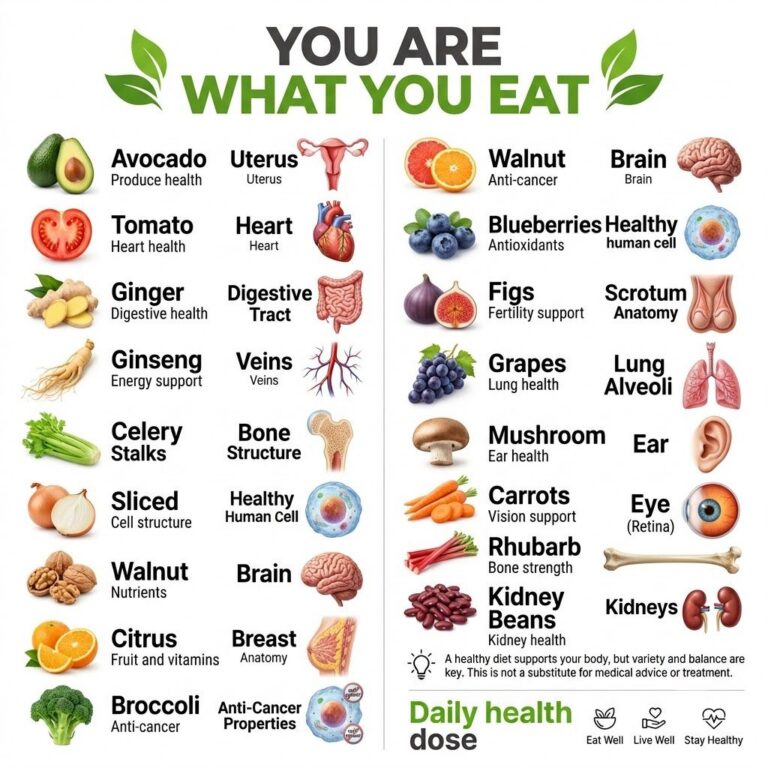
Shaped much like the uterus, avocados are rich in folate, vitamin B6, and healthy monounsaturated fats. These nutrients are vital for hormonal balance and reproductive wellness. Including avocados in your diet may support overall female reproductive health and vitality.
Tomato: Champion for Your Heart
The humble tomato, with its vibrant red hue, is packed with lycopene, a powerful antioxidant that research suggests may support cardiovascular health. Tomatoes also provide potassium and vitamin C, contributing to healthy blood pressure and robust heart function.
Ginger & Ginseng: Soothing Your Digestive Tract
Known for their potent anti-inflammatory properties, ginger and ginseng are ancient remedies for digestive woes. Ginger can help soothe an upset stomach and aid digestion, while ginseng may support gut health and overall systemic balance, promoting a comfortable and efficient digestive system.
Celery Stalks: Strengthening Veins and Bones
With its high water content and abundance of vitamin K, celery is beneficial for bone health and contributes to healthy blood clotting, which impacts vein integrity. Its natural electrolytes and silica may also support connective tissues and circulatory health, making it an excellent addition to a balanced diet.
Sliced Onion: Guardians for Healthy Cells
Onions are more than just a flavor enhancer; they’re rich in quercetin, a flavonoid, and sulfur compounds, both potent antioxidants. These compounds help protect cells from oxidative damage, supporting cellular health and overall body resilience against environmental stressors.
Walnuts: Fuel for Your Brain
Remarkably, walnuts resemble the human brain, and their nutritional profile mirrors this connection. High in omega-3 fatty acids (specifically alpha-linolenic acid, ALA), vitamin E, and antioxidants, walnuts are often linked to cognitive function, memory, and overall brain health.
Citrus Fruits: Supporting Breast Health
Bright and tangy, citrus fruits like oranges and grapefruits are bursting with vitamin C and flavonoids. These powerful antioxidants play a role in cellular health and may contribute to protecting cells from damage, thus supporting breast tissue health as part of a varied, nutrient-dense diet.
Broccoli: Nature’s Anti-Cancer Ally
Broccoli is a cruciferous powerhouse, containing compounds like sulforaphane and indole-3-carbinol, which have been studied for their potential anti-cancer properties. Regularly incorporating broccoli into your meals provides essential vitamins, minerals, and fiber that support overall cellular defense mechanisms.
Blueberries: Boosting Brainpower
Tiny yet mighty, blueberries are renowned for their high concentration of anthocyanins, antioxidants that can cross the blood-brain barrier. These compounds are believed to support cognitive function, enhance memory, and protect brain cells from age-related damage.
Figs: Cellular Health from the Inside Out
Figs offer a delightful blend of fiber, essential minerals like potassium and manganese, and various antioxidants. These nutrients contribute to overall cellular vitality, supporting healthy cell division and protecting against oxidative stress, which is crucial for the body’s repair processes.
Grapes: Supporting Male Reproductive Health
Grapes, particularly red and purple varieties, contain resveratrol, an antioxidant linked to various health benefits, including supporting circulatory health. Good circulation is fundamental for male reproductive health, making grapes a beneficial addition to a diverse diet.
Mushrooms: Keeping Your Lungs Robust
Mushrooms are unique in the plant kingdom, offering selenium, B vitamins, and compounds that may support immune function. A strong immune system is crucial for protecting the respiratory system, including the delicate lung alveoli, from infections and inflammation.
Carrots: More Than Just Eye Health
While famous for beta-carotene and its role in vision, carrots also contribute to overall health, including the often-overlooked ear health, by providing essential vitamins and antioxidants that support cellular integrity throughout the body. Their wide array of nutrients helps maintain healthy tissues and systems.
Rhubarb: Nourishing Your Retina
Rhubarb is a source of vitamin K and antioxidants, which are beneficial for overall health. While specific to eye health, its vitamins and fiber support a healthy inflammatory response and contribute to the rich nutrient profile needed for optimal retinal function and vision.
Kidney Beans: A Perfect Match for Your Kidneys
It’s no coincidence that kidney beans resemble their namesake organ. These legumes are a fantastic source of plant-based protein, fiber, and various minerals, which are crucial for kidney function. A diet rich in fiber can also support healthy blood sugar levels, reducing strain on the kidneys.
Beyond “Superfoods”: The Power of Variety and Balance
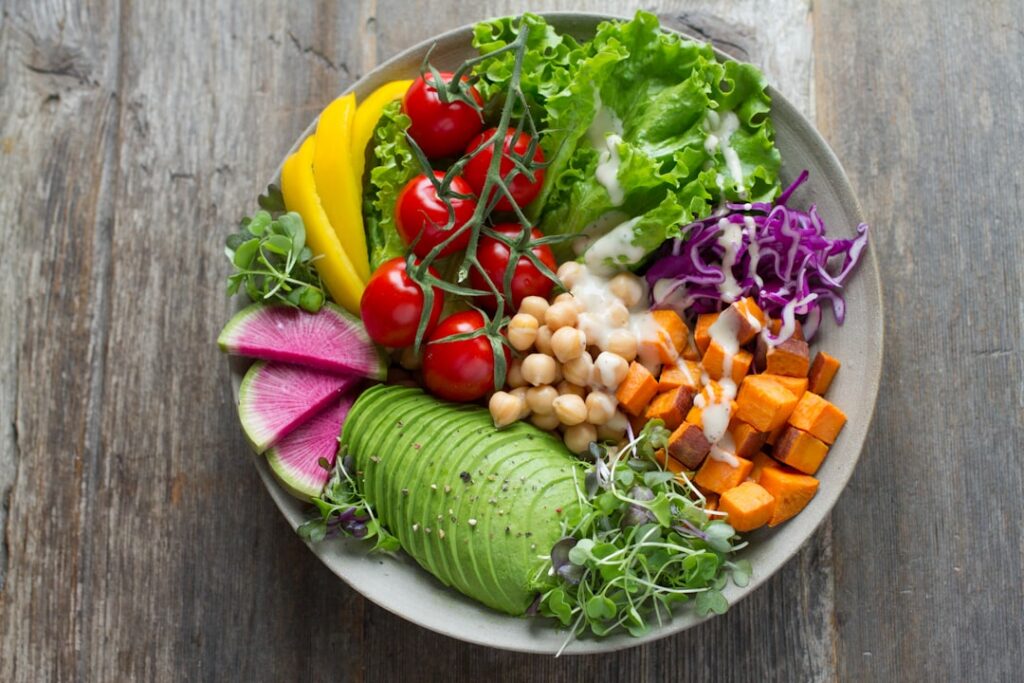
While the foods above offer remarkable benefits, no single food can provide all the nutrients your body needs. The true magic happens when you combine these ingredients as part of a varied, balanced diet. Think of your plate as a canvas, where different colors represent different nutrients working together synergistically. Prioritizing variety ensures you receive a broad spectrum of vitamins, minerals, antioxidants, and fiber, which are essential for every organ and system.
Practical Tips for a Balanced Diet
- Eat the Rainbow: Aim for a colorful plate at every meal, incorporating different fruits and vegetables.
- Diversify Protein Sources: Include lean meats, poultry, fish, legumes, nuts, and seeds.
- Choose Whole Grains: Opt for brown rice, quinoa, oats, and whole-wheat bread over refined grains.
- Hydrate Smartly: Drink plenty of water throughout the day to support all bodily functions.
- Plan Ahead: Meal prepping healthy snacks and meals can help maintain consistency and prevent unhealthy choices.
Frequently Asked Questions About Organ Health and Diet
What does ‘balanced diet’ truly mean?
A balanced diet means consuming a variety of foods in appropriate proportions to provide the necessary nutrients for good health. It includes a mix of carbohydrates, proteins, fats, vitamins, and minerals.
Can diet alone reverse organ damage?
While a healthy diet can significantly support organ function and may prevent further damage, it is not a substitute for medical treatment or advice. Always consult a healthcare professional for specific health concerns.
How quickly can I see results from a healthy diet?
The body responds to dietary changes at its own pace. While some improvements might be felt within weeks (like increased energy or better digestion), long-term benefits for organ health develop over months and years of consistent healthy eating.