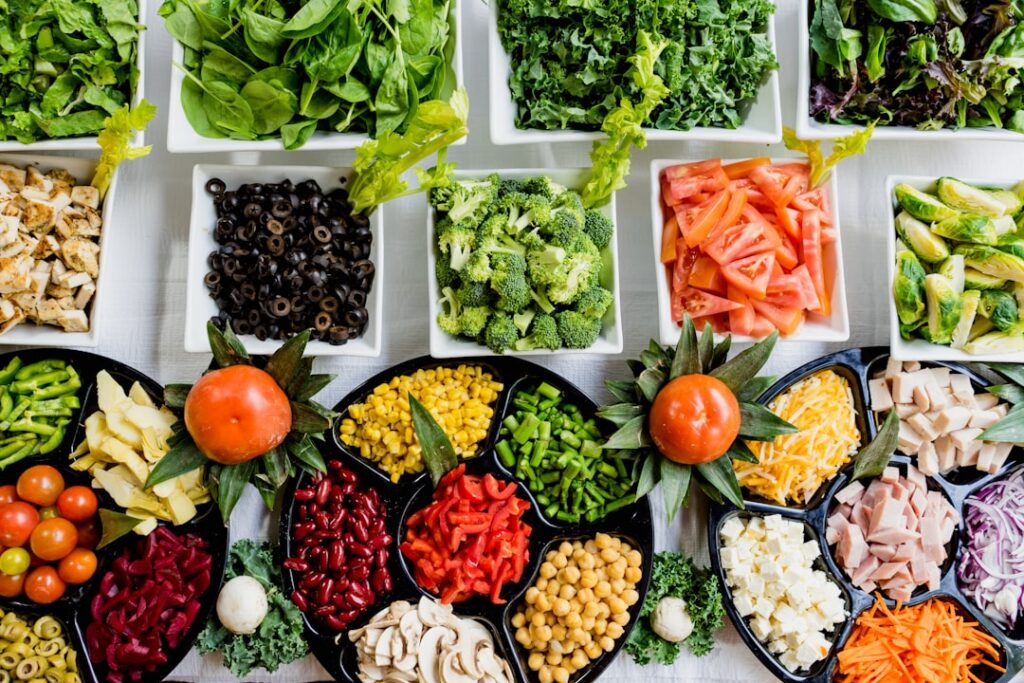
In a world often focused on quick fixes and synthetic solutions, it’s easy to overlook the incredible power of nature’s original ‘supplements’: whole foods. At Wellness Daily, we believe in embracing a holistic approach to health, and that starts with nourishing your body from the inside out with real, unprocessed ingredients. These aren’t just foods; they are powerhouses packed with essential nutrients designed to support your vitality and overall well-being.
Forget complicated regimens for a moment and consider the simple, profound impact that fresh fruits, vibrant vegetables, wholesome grains, and nutrient-dense legumes can have. They offer a synergistic blend of vitamins, minerals, fiber, and antioxidants that often work better together than any single isolated nutrient.
What Makes Whole Foods So Powerful?
Whole foods are foods that are as close to their natural state as possible, with minimal processing. This means they retain their full spectrum of nutrients, unlike refined or processed foods that often strip away valuable components. Here’s why they stand out:
- Nutrient Density: Whole foods are rich in vitamins, minerals, antioxidants, and phytochemicals—compounds that protect your cells and support various bodily functions.
- Fiber Content: Abundant fiber in fruits, vegetables, and whole grains aids digestion, helps maintain healthy blood sugar levels, and promotes a feeling of fullness.
- Synergistic Effects: The nutrients in whole foods don’t work in isolation. They interact with each other in complex ways, enhancing their overall benefits in a way that isolated supplements often cannot replicate.
- Natural Purity: By choosing whole foods, you naturally reduce your intake of artificial additives, preservatives, excessive sugar, and unhealthy fats often found in processed products.
Nature’s Own ‘Supplements’: Key Whole Food Categories
Let’s explore some categories of whole foods that can act as fantastic natural ‘supplements’ for your daily diet:
1. Vibrant Fruits and Berries
From the sweetness of an apple to the tartness of a blueberry, fruits are bursting with vitamins, antioxidants, and dietary fiber. Berries, in particular, are celebrated for their high antioxidant content, which may help combat oxidative stress.
- Example Powerhouses: Blueberries, strawberries, oranges, apples, bananas, avocados.
- Benefits: Supports immune function, skin health, and provides natural energy.
2. Leafy Greens and Colorful Vegetables
Leafy greens like spinach and kale are nutrient superstars, packed with vitamins K, A, C, and essential minerals. Other colorful vegetables provide a wide array of antioxidants and fiber, crucial for gut health and overall vitality.
- Example Powerhouses: Spinach, kale, broccoli, bell peppers, carrots, sweet potatoes.
- Benefits: Supports bone health, vision, detoxification pathways, and cardiovascular health.
3. Wholesome Grains
Unlike refined grains, whole grains retain their bran, germ, and endosperm, delivering fiber, B vitamins, and minerals. They are an excellent source of sustained energy and can contribute to a healthy digestive system.
- Example Powerhouses: Oats, quinoa, brown rice, whole wheat, barley.
- Benefits: Helps regulate blood sugar, provides long-lasting energy, and supports heart health.
4. Nuts and Seeds
Small but mighty, nuts and seeds offer healthy fats, protein, fiber, and a range of vitamins and minerals like magnesium and zinc. They are excellent for satiety and can be a convenient snack or addition to meals.
- Example Powerhouses: Almonds, walnuts, chia seeds, flaxseeds, pumpkin seeds.
- Benefits: Supports brain health, hormone balance, and provides healthy fats.
5. Legumes and Pulses
Beans, lentils, and chickpeas are fantastic sources of plant-based protein, complex carbohydrates, and fiber. They are incredibly versatile and can be a cornerstone of a healthy, sustainable diet.
- Example Powerhouses: Black beans, lentils, chickpeas, kidney beans.
- Benefits: Supports muscle maintenance, stable blood sugar, and digestive health.
Incorporating Whole Foods into Your Daily Life
Making whole foods your go-to source of nourishment doesn’t have to be complicated. Start small, by making conscious choices:
- Start Your Day Right: Opt for oatmeal with berries and nuts instead of sugary cereals.
- Snack Smart: Grab an apple, a handful of almonds, or some carrot sticks instead of processed snacks.
- Power Up Your Meals: Add extra vegetables to your stir-fries, soups, and salads.
- Rethink Your Sides: Choose brown rice or quinoa over white rice, or a side salad over fries.
- Experiment: Explore new fruits, vegetables, and grains you haven’t tried before.
A Note of Encouragement
Embracing whole foods is a journey, not a destination. Every step you take towards incorporating more real, unprocessed ingredients into your diet is a step towards a healthier, more vibrant you. Celebrate the beauty and the incredible nourishment that comes directly from nature.
Remember, the information provided here is for educational purposes and should not replace professional medical advice. Always consult with a healthcare professional for any health concerns or before making any significant changes to your diet.
Which whole food from this guide is your go-to for nourishment? Let’s celebrate the beauty of real, unprocessed food!