Think your favorite chocolate wafer is just chocolate and wafers? Think again! 🍫🔍 When you reach for a KitKat, do you ever pause to consider what truly makes up that crispy, chocolatey bar? Many popular snacks hold a few surprises within their ingredient lists. At Glowra Health, we believe that understanding what you eat is the first step towards a healthier lifestyle. Today, we’re pulling back the curtain on the KitKat ingredients exposed, so you can uncover the surprising truth about what’s really inside and make more informed snack choices.
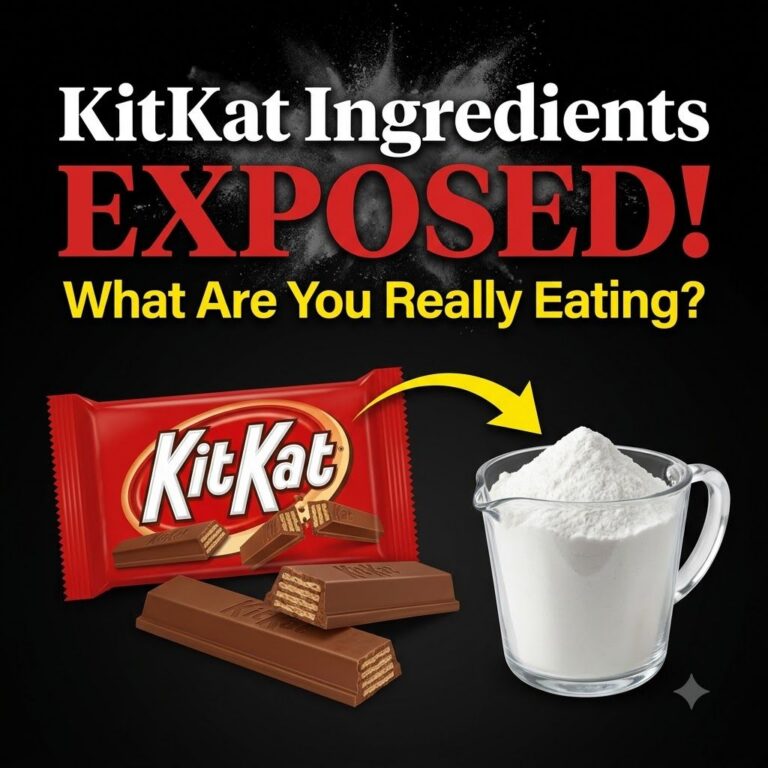
Beyond Chocolate and Wafer: The True KitKat Ingredients Exposed
For many, a KitKat embodies a simple pleasure: a perfect blend of chocolate and a light wafer. But beneath that iconic wrapper lies a blend of ingredients designed for taste, texture, and shelf life. It’s not just cocoa beans and flour; there’s a more complex story to tell about what you’re really eating. Understanding these components is crucial for anyone on a wellness journey, aiming for healthier choices.
Unpacking the Sweetness: The Sugars in Your KitKat
One of the most prominent components in nearly any sweet treat is sugar, and KitKat is no exception. Beyond simple granulated sugar, you’ll often find a variety of sweeteners listed under different names. These can include:
- Sugar: The primary sweetener, providing that immediate burst of energy and delicious taste.
- Glucose Syrup: Often used for texture, to prevent crystallization, and to add sweetness.
- Sweetened Condensed Milk: Contributes not only sugar but also milk solids, adding to the creamy texture.
Consuming high amounts of added sugars can contribute to energy crashes, weight gain, and may influence long-term health. Being aware of the multiple forms of sugar in your snacks empowers you to manage your intake more effectively.
Decoding the Fats: Oils and Emulsifiers You Might Not Expect
The characteristic melt-in-your-mouth texture of chocolate and the crispness of the wafer don’t happen by magic. They rely heavily on fats and oils, some of which might surprise you.
- Vegetable Fats (e.g., Palm Oil, Shea Butter): These are often used as alternatives or complements to cocoa butter to achieve specific textures, improve heat resistance, and reduce costs. Palm oil, in particular, is common due to its versatility and widespread availability.
- Cocoa Butter: While a natural component of chocolate, it’s often supplemented with other fats.
- Emulsifiers (e.g., Lecithin, Polyglycerol Polyricinoleate – PGPR): These ingredients play a vital role in ensuring a smooth, consistent texture and preventing the separation of fats and water. Lecithin, often derived from soy, is a common example, helping the chocolate flow smoothly during manufacturing and maintaining its glossy appearance.
While fats are essential for our diet, the type and quantity matter. Processed vegetable fats, especially those high in saturated fat, should be consumed in moderation as part of a balanced diet.
Other Key Players: Milk Solids, Flavorings, and More
Beyond the main sugars and fats, other ingredients contribute to the unique KitKat experience:
- Wheat Flour: The foundation of the wafer, giving it its signature crunch.
- Skimmed Milk Powder / Whey Powder: These milk solids contribute to the creamy, milky flavor profile of the chocolate.
- Cocoa Mass / Cocoa Powder: Provides the rich chocolate taste and color.
- Natural Flavorings: Used to enhance and round out the overall taste.
These ingredients work together to create the familiar taste and texture many have come to love, highlighting the intricate engineering behind everyday snacks.
Making Informed Choices: What Does This Mean for Your Snacking?
Understanding the KitKat ingredients exposed isn’t about shaming snack choices; it’s about empowerment. Knowing the significant amounts of added sugars and processed fats can help you:
- Read Labels Critically: Look beyond the marketing to the actual ingredient list and nutritional panel. Pay attention to serving sizes and the types of fats and sugars present.
- Practice Moderation: Enjoying treats like KitKat in moderation is key. It’s about balance, not complete deprivation.
- Explore Alternatives: Consider whole-food snacks like fruits, nuts, or yogurt as your everyday go-to options. When you crave chocolate, opt for darker varieties with fewer ingredients and lower sugar content.
Making healthier choices starts with awareness.
Your Burning Questions About KitKat Ingredients Answered (FAQs)
Are all KitKats the same globally?
Ingredient lists can vary slightly by region due to local regulations, ingredient availability, and consumer preferences. Always check the specific packaging in your country.
What is lecithin and why is it in KitKat?
Lecithin is a common emulsifier, usually derived from soy. It helps blend ingredients that normally wouldn’t mix (like oil and water), ensuring the chocolate has a smooth texture and consistent quality.
Are the wafers healthy?
The wafers are primarily made from wheat flour. While not inherently unhealthy, they contribute to the carbohydrate content and are often coated in sugary chocolate, making the overall snack high in calories and sugar.