Maintaining healthy blood sugar levels is a cornerstone of overall well-being. When blood sugar is consistently elevated, it can lead to fatigue, nerve damage, kidney issues, and increase the risk of more serious health conditions over time. While lifestyle choices like diet and exercise are paramount, nature also offers a helping hand. Many natural remedies, backed by scientific research, can complement a healthy lifestyle to support balanced blood sugar.
In this comprehensive guide, we’ll dive into 10 natural remedies that can help lower high blood sugar. Remember, these remedies are best used as part of a holistic approach that includes a balanced diet, regular physical activity, and consistent monitoring. Always consult your healthcare provider before making significant changes to your diet or supplement regimen, especially if you are on medication for diabetes.
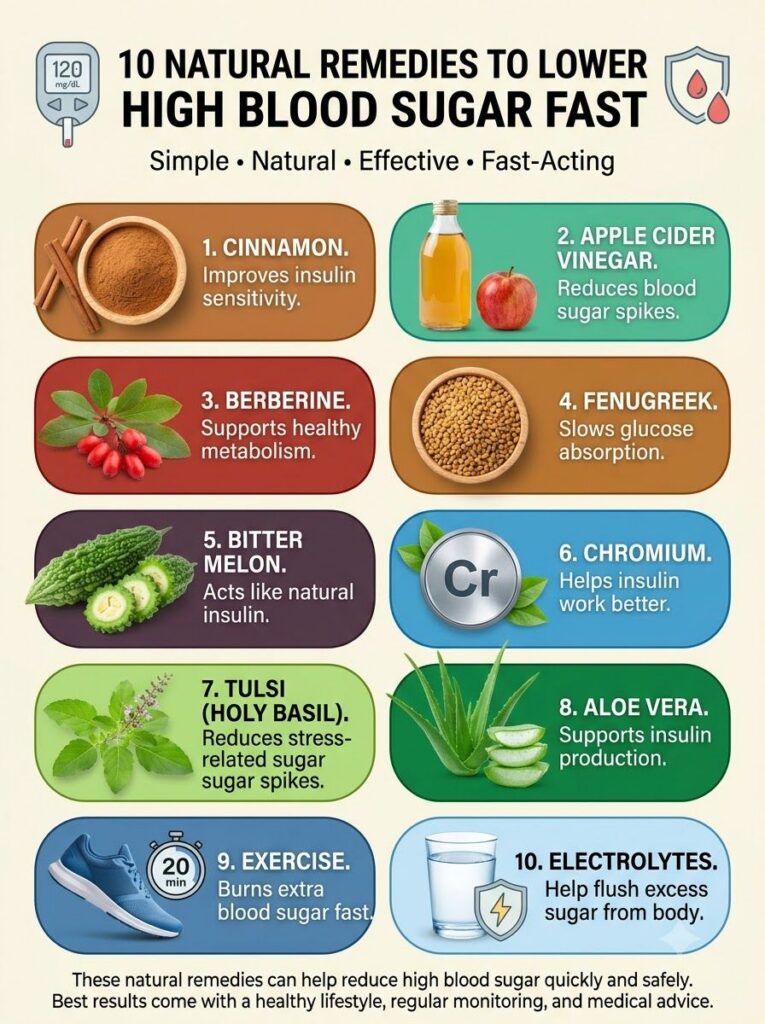
Your Guide to Nature’s Blood Sugar Support
Let’s explore each of these powerful natural remedies in detail, understanding how they work and how you can thoughtfully incorporate them into your daily routine.
1. Cinnamon: The Sweet Spice with Big Benefits
Cinnamon is more than just a delicious spice; it’s a potent ally in blood sugar management. Research suggests that cinnamon can improve insulin sensitivity, meaning your cells become more responsive to insulin, allowing them to take up glucose more effectively. It may also slow down the breakdown of carbohydrates in the digestive tract, which helps to prevent blood sugar spikes after meals.
- How to use: Add 1/2 to 1 teaspoon of cinnamon powder to your oatmeal, yogurt, smoothies, or morning coffee. You can also sprinkle it on fruit. When choosing cinnamon, Ceylon cinnamon is often preferred over Cassia cinnamon due to its lower coumarin content, which can be harmful in large doses.
2. Apple Cider Vinegar (ACV): A Tangy Helper
Apple cider vinegar has gained popularity for its various health benefits, including its potential to help regulate blood sugar. Studies indicate that consuming ACV before meals can significantly reduce post-meal blood sugar spikes by improving insulin sensitivity and slowing down the rate at which food empties from your stomach.
- How to use: Mix 1-2 tablespoons of raw, unfiltered apple cider vinegar in a glass of water and drink it before meals. You can also use it as a salad dressing. Always dilute ACV before consuming to protect tooth enamel and the esophagus.
3. Berberine: A Potent Plant Compound
Berberine is a bioactive compound extracted from several different plants, including goldenseal, barberry, and Oregon grape. It’s a powerful supplement that acts on the body at a molecular level, activating an enzyme called AMPK, which plays a central role in regulating metabolism. This action is similar to how some diabetes medications work. Berberine has been shown to decrease insulin resistance, reduce sugar production in the liver, and slow down carbohydrate breakdown in the gut.
- How to use: Berberine is typically taken as a supplement in capsule form. Due to its potency, it’s crucial to consult your doctor for appropriate dosage and to ensure it doesn’t interact with any medications you’re taking.
4. Fenugreek: A Fiber-Rich Seed
Fenugreek seeds are rich in soluble fiber, which plays a crucial role in blood sugar control. This fiber slows down the digestion and absorption of carbohydrates, leading to a more gradual rise in blood sugar after meals. Fenugreek may also improve insulin function.
- How to use: You can soak fenugreek seeds overnight and consume them in the morning, add them to your cooking (curries, stews), or take them as a powdered supplement. Start with small amounts and increase gradually to avoid digestive upset.
5. Bitter Melon: The Ayurvedic Superfood
Bitter melon, as its name suggests, has a distinct bitter taste but is a staple in traditional medicine, particularly Ayurveda, for its blood sugar-lowering properties. It contains compounds that act like insulin, helping glucose get into cells, and also appears to inhibit enzymes that convert complex carbohydrates into sugar.
- How to use: Bitter melon can be consumed as a juice, added to stir-fries, or taken in supplement form. Its strong taste might require some getting used to.
6. Chromium: An Essential Trace Mineral
Chromium is a trace mineral that plays a vital role in carbohydrate and fat metabolism. It’s thought to enhance the action of insulin, making it more efficient at moving glucose from the bloodstream into cells. Many people don’t get enough chromium from their diet, especially with a diet high in processed foods.
- How to use: Dietary sources include whole grains, broccoli, green beans, and meats. Chromium supplements (often as chromium picolinate) are available, but consult your doctor to determine if supplementation is right for you and for proper dosing.
7. Tulsi (Holy Basil): The Adaptogenic Herb
Tulsi, or Holy Basil, is revered in Ayurvedic medicine as an adaptogen, meaning it helps the body adapt to stress. Chronic stress can elevate blood sugar levels through the release of hormones like cortisol. By helping manage stress, Tulsi indirectly supports healthy blood sugar. It may also directly impact glucose metabolism.
- How to use: Drink Tulsi tea regularly, or take it in capsule form as a supplement.
8. Aloe Vera: More Than Just Skin Soother
Beyond its well-known benefits for skin health, studies suggest that aloe vera may also help in blood sugar management. The plant contains compounds that could reduce fasting blood glucose and HbA1c levels, possibly by improving insulin sensitivity and reducing glucose production in the liver.
- How to use: Consume pure aloe vera juice (ensure it’s food-grade and free of laxative components), or take aloe vera extracts as supplements. Always check labels carefully.
9. Exercise: Move Your Way to Better Blood Sugar
While not a