There’s nothing quite like stepping into your garden or onto your balcony and plucking fresh, fragrant herbs for your cooking. Whether it’s the vibrant zest of basil in your pasta or the refreshing coolness of mint in your tea, homegrown herbs elevate every dish and drink. But have you ever wondered how to get those abundant, bushy plants you see in gardening magazines? The secret lies in one simple technique: pruning!
Many gardeners, especially beginners, hesitate to snip their precious plants, fearing they might harm them. However, with herbs like basil and mint, a good trim is not just beneficial—it’s essential for encouraging vigorous growth, more leaves, and a longer, more productive harvest. Let’s dive into the art of pruning and turn you into a herb-snipping pro!
Why Prune Your Herbs? The Benefits Are Bountiful!
Pruning might seem counterintuitive – cutting off parts of a plant to make it grow more? But for many herbs, it’s a game-changer. Here’s why:
- Bushier Growth: When you snip the main stem, the plant diverts its energy to the side shoots, resulting in a fuller, more rounded plant with more leaves.
- Increased Yield: More stems mean more leaves, which translates to a bigger harvest for your culinary adventures.
- Enhanced Flavor: Regular pruning can sometimes concentrate the essential oils in the leaves, leading to more flavorful herbs.
- Prevent Bolting: For herbs like basil, pruning helps delay the plant from going to seed (bolting), which often makes the leaves bitter and ends the plant’s productive life prematurely.
- Improved Air Circulation: A denser plant can sometimes lead to fungal issues. Pruning helps maintain good airflow, reducing the risk of diseases.
General Pruning Principles for All Herbs
Before we get into specific herbs, let’s cover some universal rules for successful pruning:
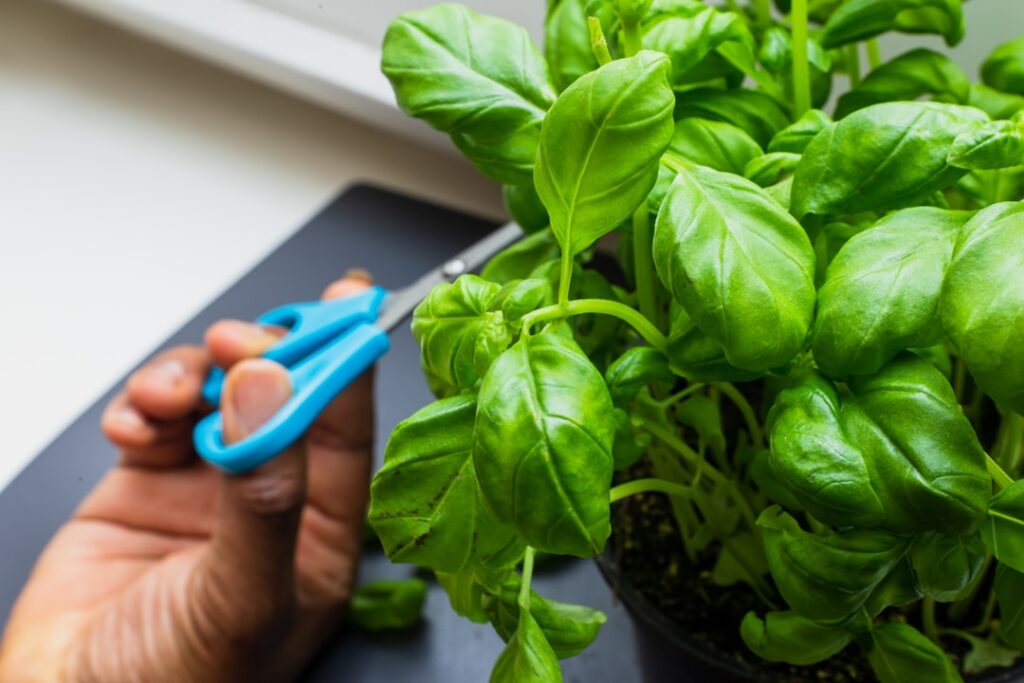
- Use Clean, Sharp Tools: Whether you’re using your fingers, scissors, or pruning shears, ensure they are clean and sharp. This prevents disease and makes clean cuts that heal quickly.
- Prune Regularly: Don’t wait until your herbs are leggy and overgrown. A little snip every week or two makes a big difference.
- Don’t Remove Too Much: A good rule of thumb is to never remove more than a third of the plant’s total foliage at once.
- Cut Above a Node: A ‘node’ is where leaves or branches emerge from the stem. Always cut just above a node or a pair of leaves. This encourages new growth from that point.
Essential Tips for Bushier Basil
Basil is a favorite for many, but it loves to bolt, especially in hot weather. Pruning is key to keeping it happy and leafy!
Young Basil Plants: The First Pinch
When your basil plant is young and has developed two sets of true leaves (the second set after the initial seed leaves), it’s time for its first haircut.
- Locate the main stem: Find the central stem growing upwards.
- Pinch above the second set of leaves: Using your thumb and forefinger (or small snips), pinch off the main stem just above the second set of leaves from the bottom. This encourages the plant to branch out early.
Ongoing Harvesting and Pruning
Once your basil is growing strong, continue to prune regularly:
- Harvest from the top: Always prune from the top of the plant, cutting just above a leaf node. This encourages lower side shoots to develop.
- Prevent flowering: If you see flower buds forming at the top of the stems, snip them off immediately. Flowering is a sign the plant is preparing to go to seed, and its energy will shift from leaf production to flower/seed production, making the leaves less flavorful.
- Regular rotation: Don’t just pick leaves from one spot. Rotate around the plant to encourage even growth.
Keeping Your Mint Marvelous: Pruning for Vigor
Mint is known for its vigorous growth, sometimes to the point of being invasive. Pruning keeps it contained and productive.
Aggressive Harvesting is Good!
Mint loves to be harvested! The more you snip, the more it grows. Don’t be shy:
- Cut whole stems: When harvesting, cut entire stems rather than just individual leaves. Cut about 1/2 to 3/4 of the way down the stem, just above a leaf node.
- Regular trims: Even if you’re not using it, give your mint a regular trim every couple of weeks. This prevents it from getting leggy and woody.
- Cut back before flowering: Like basil, mint can flower. While mint flowers are often pretty, cutting them back before they bloom will keep the plant’s energy focused on producing flavorful leaves.
Controlling Spread (Especially for Outdoor Mint)
If your mint is in the ground, aggressive pruning of both above-ground growth and sometimes even root pruning (or growing in a container) is essential to keep its spreading nature in check. For container mint, just focus on regular top pruning.
Beyond Basil and Mint: Other Herbs That Love a Trim
Many other popular herbs benefit from similar pruning techniques:
- Oregano and Marjoram: Prune like mint, harvesting stems to encourage bushiness.
- Thyme and Rosemary: Prune lightly after flowering to maintain shape and encourage new growth. Avoid cutting into old, woody stems too deeply.
- Sage: Trim in spring and again after flowering to keep it compact.
Nurturing Your Herbs for a Bountiful Harvest
Pruning is just one piece of the puzzle. To truly master your herb garden, remember these fundamental care tips:
- Sunlight: Most herbs thrive in at least 6 hours of direct sunlight per day.
- Watering: Water deeply when the top inch of soil feels dry. Good drainage is crucial.
- Soil: Use well-draining potting mix for containers, or amend garden soil with compost.
- Fertilization: Herbs generally don’t need heavy feeding. A light dose of balanced organic fertilizer once a month during the growing season is usually sufficient.
- Pest Watch: Regularly inspect your plants for any signs of pests and address them promptly with organic solutions if needed.
Ready to Snip?
Pruning your herbs might feel a little scary at first, but it’s one of the most rewarding gardening practices. With these tips, you’ll soon be enjoying an abundance of fresh, flavorful basil, mint, and other herbs right from your own garden. So grab your snips (or just your fingers!) and get ready to grow the bushier, healthier herbs you’ve always dreamed of!