Embracing a ketogenic diet while maintaining a vegetarian lifestyle can feel like a culinary puzzle. The low-carb, high-fat, moderate-protein approach of keto often leans heavily on animal products, leaving plant-based eaters searching for compliant, protein-rich alternatives. But who says you can’t have the best of both worlds? Achieving ketosis on a plant-based diet is not only possible but can also be incredibly diverse and delicious.
This guide unveils 9 best keto-friendly plant-based proteins for vegetarians, designed to help you elevate your low-carb journey without compromising your dietary principles. We’ll explore versatile options that are packed with protein, low in net carbs, and perfect for creating satisfying meals.
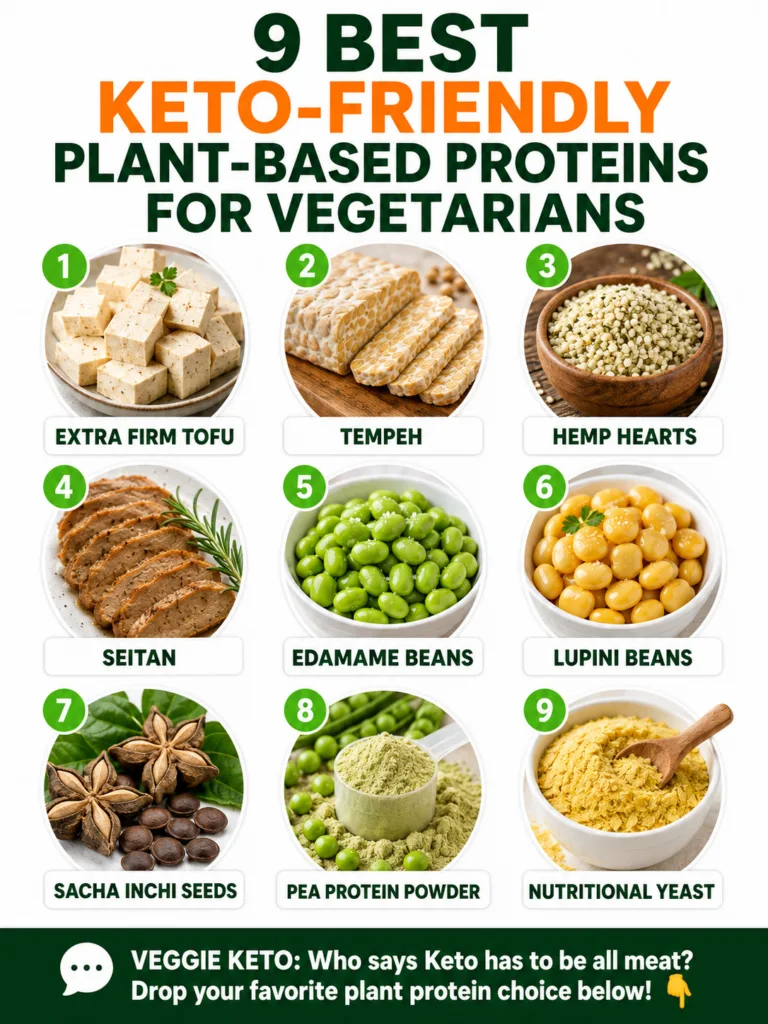
1. Extra Firm Tofu: The Versatile Canvas
Tofu, particularly the extra firm variety, is a cornerstone of many vegetarian and vegan diets, and it’s also a fantastic keto-friendly option. Made from condensed soy milk pressed into solid blocks, it’s low in net carbs and high in protein, making it ideal for maintaining ketosis.
Nutritional Highlights:
- Excellent source of complete protein.
- Low in net carbs, especially the extra firm type.
- Contains essential amino acids and minerals like calcium and iron.
How to Enjoy:
Press extra firm tofu thoroughly to remove excess water, then slice, cube, or crumble it. It absorbs flavors beautifully, making it perfect for stir-fries, scrambles, baked dishes, or grilled skewers. Try it in a high-protein breakfast scramble with your favorite low-carb veggies.
Quick Tip:
For a crispier texture, freeze and then thaw your tofu before pressing. This creates a more porous texture that soaks up marinades even better.
2. Tempeh: The Fermented Powerhouse
Tempeh is another soy-based protein, but unlike tofu, it’s made from fermented soybeans. This fermentation process not only gives tempeh a unique nutty flavor and firm, chewy texture but also enhances its digestibility and nutrient absorption.
Nutritional Highlights:
- Higher in protein and fiber than tofu.
- Contains probiotics from fermentation, supporting gut health.
- Low in net carbs, fitting well into a ketogenic plan.
How to Enjoy:
Steam tempeh for 10 minutes before use to remove any bitterness. Then, crumble it into chili or taco fillings, slice and marinate for grilling or baking, or sauté with spices for a hearty addition to salads and bowls. It’s a great meat substitute for high-protein low-calorie meals.
Quick Tip:
Marinate tempeh for at least 30 minutes (or overnight) to infuse it with robust flavors, as its dense texture can be slow to absorb.
3. Hemp Hearts: Tiny Seeds, Big Nutrition
Hemp hearts, the soft inner part of shelled hemp seeds, are a nutritional marvel. These tiny seeds are not only incredibly versatile but also boast an impressive macronutrient profile that makes them a keto vegetarian dream.
Nutritional Highlights:
- Rich in complete protein, omega-3, and omega-6 fatty acids in an optimal ratio.
- Very low in net carbs and high in fiber.
- Good source of magnesium, zinc, and iron.
How to Enjoy:
Sprinkle hemp hearts over salads, soups, smoothies, or low-carb yogurts. They add a mild, nutty flavor and a boost of protein and healthy fats. You can also blend them into salad dressings or use them as a crunchy topping for virtually any dish.
Quick Tip:
Store hemp hearts in the refrigerator or freezer to preserve their delicate omega-3 fatty acids and extend their shelf life.
4. Seitan: The Wheat Meat
Seitan, often called