Build Your Best Chest: The Ultimate Guide
Want a stronger, more defined chest? You’re in the right place! Building a powerful chest isn’t just about lifting heavy; it’s about smart training, proper form, and unwavering consistency. Each rep counts when you target those muscles effectively, laying the foundation for impressive strength and definition. Keep showing up, applying these principles, and you’ll undoubtedly see amazing progress on your fitness journey.
At Remedies Wellness, we believe in empowering you with practical, easy-to-understand guidance to help you achieve your fitness goals. This comprehensive guide will break down everything you need to know to sculpt a powerful and aesthetically pleasing chest, from understanding the anatomy to mastering key exercises and optimizing your recovery.
Why a Strong Chest Matters Beyond Aesthetics
While a well-developed chest is often a hallmark of fitness, its benefits extend far beyond just looking good. A strong chest contributes to:
- Functional Strength: Essential for everyday pushing movements, from opening heavy doors to pushing a lawnmower.
- Improved Posture: Strong chest muscles, when balanced with a strong back, help pull the shoulders back and improve overall posture.
- Athletic Performance: Crucial for sports involving throwing, pushing, or striking, like basketball, football, and martial arts.
- Injury Prevention: Balanced muscle development around the shoulder joint can help prevent injuries.
Understanding Your Chest Muscles
To effectively train your chest, it helps to understand its primary muscles:
- Pectoralis Major: The largest and most visible chest muscle, responsible for adduction, flexion, and internal rotation of the arm. It has two main heads: the sternal (mid/lower chest) and clavicular (upper chest).
- Pectoralis Minor: A smaller muscle underneath the Pectoralis Major, primarily involved in stabilizing the scapula.
Targeting these different areas with varied exercises ensures comprehensive development.
Key Principles for Optimal Chest Growth
1. Progressive Overload
To keep your muscles growing, you must continuously challenge them. This means gradually increasing the demands on your muscles over time. Progressive overload can be achieved by:
- Increasing the weight lifted.
- Doing more repetitions with the same weight.
- Increasing the number of sets.
- Decreasing rest times between sets.
- Improving exercise form to increase time under tension.
2. Proper Form and Mind-Muscle Connection
This is non-negotiable! Lifting with incorrect form not only reduces the effectiveness of the exercise but also significantly increases your risk of injury. Focus on feeling the target muscle work through the entire range of motion. Slow and controlled movements are often more effective than fast, sloppy ones.
3. Consistency is King
Building muscle is a marathon, not a sprint. Regular, consistent training sessions are far more effective than sporadic, intense bursts. Stick to your program, even on days you don’t feel like it, and trust the process.
4. Nutrition and Recovery
Your muscles don’t grow in the gym; they grow when you’re resting and fueling them properly. Ensure you’re consuming enough protein to repair and rebuild muscle tissue, adequate carbohydrates for energy, and healthy fats for overall health. Don’t underestimate the power of quality sleep!
Top Chest Exercises for Maximum Growth
Here are some of the most effective exercises to incorporate into your chest routine:
1. Barbell Bench Press (Flat, Incline, Decline)
The king of chest exercises, targeting the entire pectoralis major. Varying the bench angle allows you to emphasize different parts of the chest.
- Flat Bench Press: Excellent for overall chest thickness and strength.
- Incline Bench Press: Targets the upper chest (clavicular head), helping to create a fuller, more aesthetic look.
- Decline Bench Press: Emphasizes the lower chest, contributing to a sharp separation.
2. Dumbbell Press (Flat, Incline, Decline)
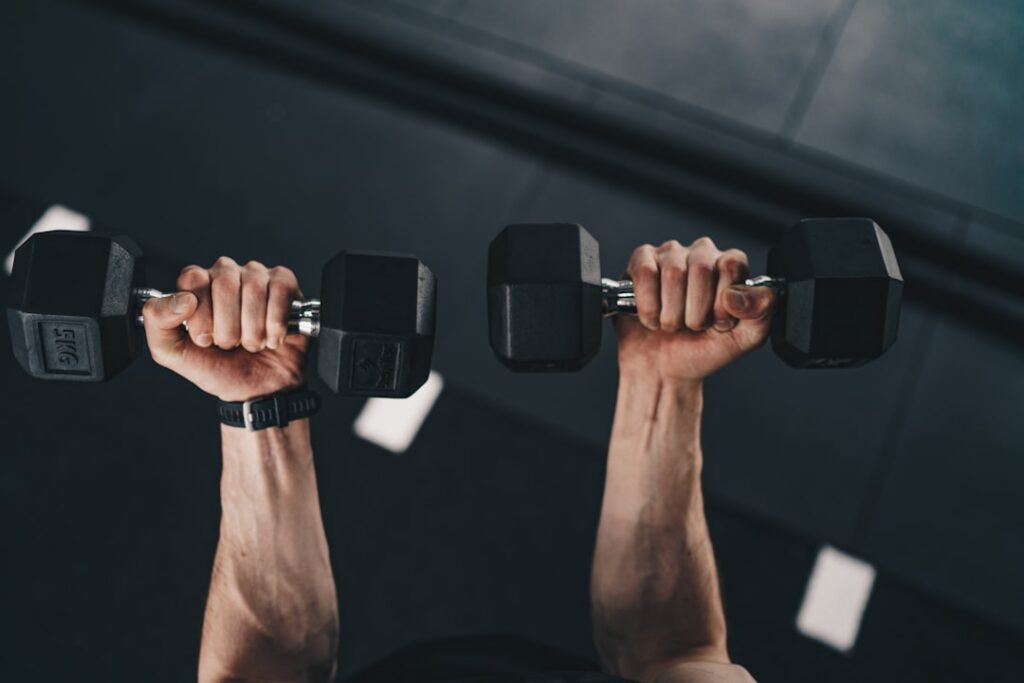
Dumbbells offer a greater range of motion and allow for independent arm movement, which can help address muscle imbalances.
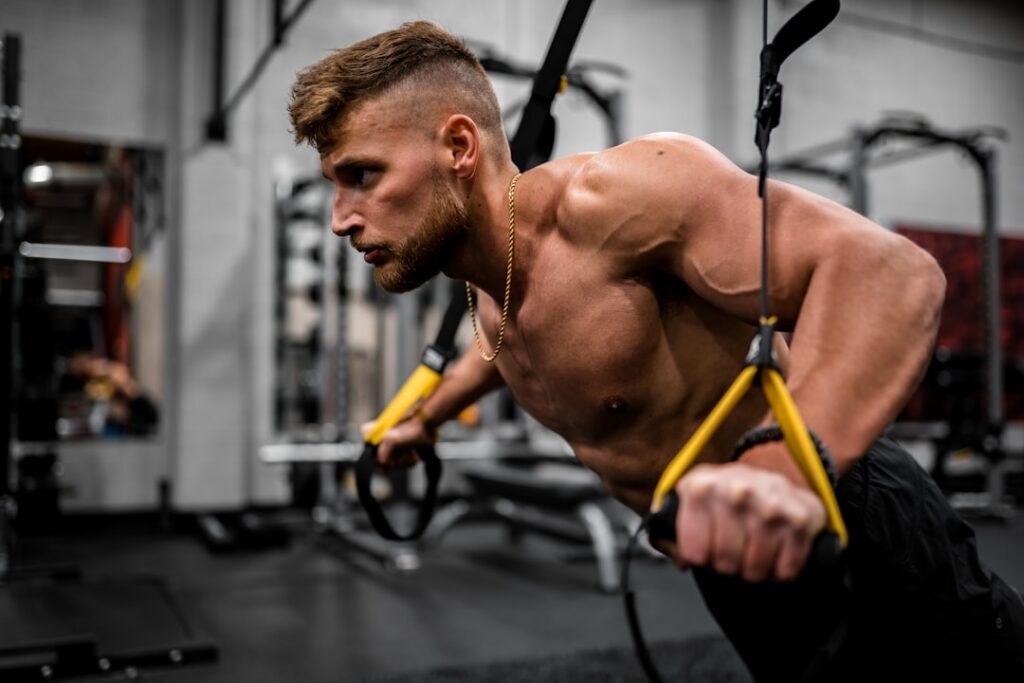
3. Push-ups
A fundamental bodyweight exercise that builds foundational strength. Can be modified for different difficulty levels (kneeling, elevated feet, weighted).
4. Dips (Chest Version)
An excellent compound exercise for the lower chest and triceps. Lean slightly forward to emphasize the chest.
5. Cable Flyes
Great for isolating the chest muscles and achieving a strong contraction. Can be performed at various angles (low-to-high for upper chest, mid-level for overall, high-to-low for lower chest).
Sample Chest Workout Routine
Here’s a balanced routine you can adapt based on your experience level:
- Warm-up: 5-10 minutes of light cardio and dynamic stretches (arm circles, band pull-aparts).
- Barbell Bench Press: 3 sets of 6-10 reps (focus on progressive overload).
- Incline Dumbbell Press: 3 sets of 8-12 reps.
- Dumbbell Flyes (Flat or Incline): 3 sets of 10-15 reps (focus on stretch and contraction).
- Dips (Chest Version) or Push-ups: 3 sets to failure or 10-15 reps.
- Cool-down: Static chest stretches.
Common Mistakes to Avoid
- Ego Lifting: Using weights that are too heavy, compromising form, and increasing injury risk.
- Neglecting Recovery: Overtraining without adequate rest, leading to plateaus and fatigue.
- Poor Warm-up: Skipping warm-ups can lead to injury and reduced performance.
- Lack of Variety: Sticking to the same exercises and rep ranges can lead to stagnation. Mix it up!
Fueling Your Chest Growth: Nutrition Essentials
Your diet plays a critical role in muscle building. Here’s what to focus on:
- Protein: Aim for 0.7-1 gram of protein per pound of body weight daily from sources like lean meats, poultry, fish, eggs, dairy, and plant-based options.
- Carbohydrates: Provide energy for your workouts and help replenish glycogen stores. Choose complex carbs like oats, brown rice, sweet potatoes, and whole grains.
- Healthy Fats: Essential for hormone production and overall health. Include avocados, nuts, seeds, and olive oil.
- Hydration: Drink plenty of water throughout the day.
Your Journey to a Stronger Chest Starts Now!
Building your best chest is an incredibly rewarding endeavor. It requires dedication, smart training, and patience. By focusing on proper form, embracing progressive overload, prioritizing recovery, and fueling your body right, you’ll be well on your way to achieving the chest development you desire. Remember, consistency is your most powerful tool. Keep showing up, putting in the work, and celebrating every step of your fitness journey!