Have you ever paused to consider the incredible journey of your favorite plant-based proteins? Just like other foods, the heritage and processing of plant-based ingredients significantly shape their unique flavors and characteristics. Understanding these origins not only deepens your appreciation but also inspires new culinary adventures!
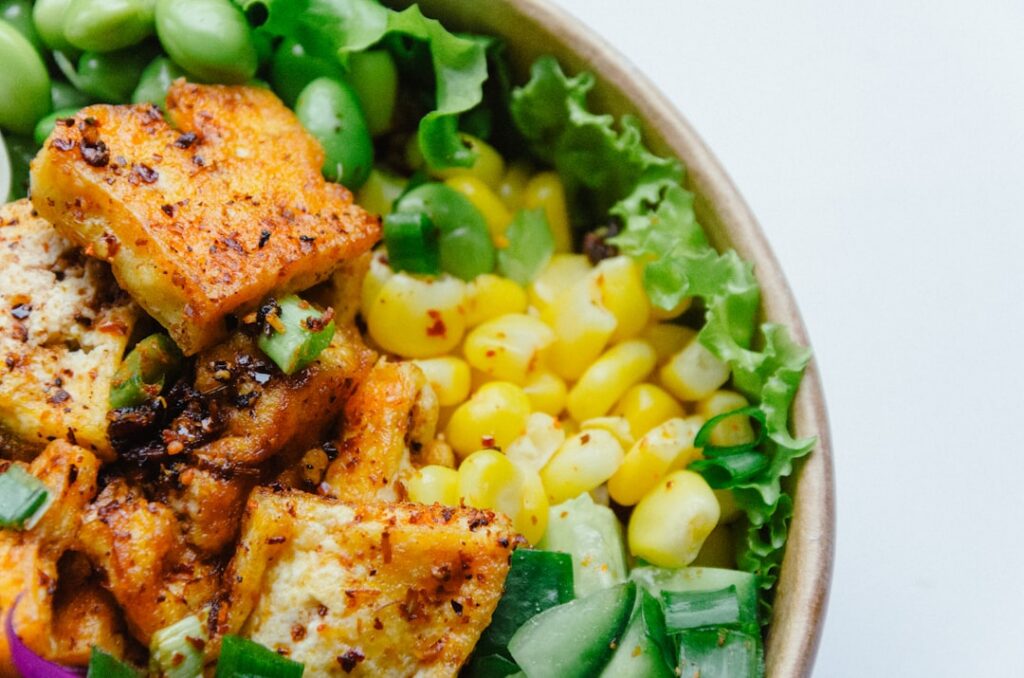
Tofu: The Versatile Soybean Wonder
Originating in China over 2000 years ago, tofu is made from coagulated soy milk, much like cheese is made from dairy milk. The process involves pressing the curds into blocks, and the firmness depends on how much water is pressed out. From silky soft tofu, perfect for creamy desserts and smoothies, to extra-firm varieties ideal for grilling and frying, tofu’s versatility is unmatched. It’s a fantastic source of complete protein, calcium, and iron.
Tempeh: The Fermented Powerhouse
Hailing from Indonesia, tempeh is a traditional fermented soybean product. Whole, cooked soybeans are bound together by a beneficial white mold, forming a firm, nutty patty. This fermentation process not only makes tempeh highly digestible but also enriches its flavor with earthy, mushroom-like notes. Tempeh is an excellent source of protein, fiber, and probiotics, making it a gut-friendly addition to stir-fries, sandwiches, and chili.
Seitan: The Wheat Meat Marvel
With roots tracing back to ancient China and Japan, seitan is a plant-based protein made from wheat gluten. When wheat flour is washed, the starch is rinsed away, leaving behind a concentrated protein source. Seitan’s chewy, meat-like texture makes it incredibly popular in vegan cooking for dishes like roasts, deli slices, and ‘pulled’ sandwiches. It’s high in protein and can absorb flavors beautifully, making it a culinary chameleon.
Legumes & Grains: Nature’s Protein Powerhouses
Beyond the well-known soy and wheat-based options, the world of legumes and grains offers an incredible array of protein sources, each with its own unique history and nutritional profile:
- Lentils: Cultivated for thousands of years, these small legumes come in various colors (brown, green, red, black), each with slightly different textures and cooking times. Rich in fiber, protein, and iron, they’re perfect for soups, stews, and dahls.
- Chickpeas (Garbanzo Beans): A staple in Middle Eastern and Indian cuisine, chickpeas are celebrated for their versatility in hummus, falafel, and curries. They provide a robust source of protein, fiber, and complex carbohydrates.
- Quinoa: Though often considered a grain, quinoa is actually a seed, an ancient crop from the Andes. It’s one of the few plant foods that is a complete protein, meaning it contains all nine essential amino acids. Its fluffy texture and mild flavor make it a great base for bowls and salads.
- Black Beans: A cornerstone of Latin American cuisine, black beans are packed with protein, fiber, and antioxidants. Their creamy texture and mild flavor make them perfect for tacos, burritos, and veggie burgers.
Embrace the Diversity of Plant-Based Eating
The journey through the origins and characteristics of plant-based proteins reveals a world as rich and diverse as any other food category. By exploring these fascinating connections, you not only gain a deeper understanding of your food but also unlock endless possibilities for delicious, healthy, and satisfying vegan meals. So, next time you’re planning your meals, consider the incredible heritage behind these plant-based powerhouses!