Prebiotics vs. Probiotics: Your Ultimate Gut Health Guide!
Have you ever wondered about the difference between prebiotics and probiotics? These terms are often used when discussing gut health, but they play distinct yet complementary roles in keeping your digestive system happy and thriving. Understanding what each one does and how to incorporate them into your diet can be a game-changer for your overall well-being.
Understanding Your Gut Microbiome
Before diving into prebiotics and probiotics, let’s briefly touch upon your gut microbiome. This refers to the vast community of microorganisms, primarily bacteria, that live in your digestive tract. A diverse and balanced gut microbiome is associated with numerous health benefits, including supporting digestion, nutrient absorption, and immune function.
What Are Probiotics?
Simply put, probiotics are live microorganisms, often beneficial bacteria, that, when consumed in adequate amounts, may confer a health benefit to the host. Think of them as the ‘good’ or ‘friendly’ bacteria that can help maintain or restore the natural balance of your gut flora.
Benefits of Probiotics:
- Digestive Support: Probiotics are commonly associated with aiding digestion and helping to alleviate symptoms of certain digestive discomforts.
- Immune System Boost: A significant portion of your immune system resides in your gut, and a balanced microbiome, supported by probiotics, may help support immune responses.
- Nutrient Absorption: Some probiotic strains may assist in the breakdown and absorption of nutrients from your food.
Common Sources of Probiotics:
- Yogurt (look for ‘live and active cultures’)
- Kefir
- Sauerkraut
- Kimchi
- Tempeh
- Miso
- Certain cheeses (e.g., aged cheddar, mozzarella, gouda)
When choosing probiotic-rich foods, it’s important to check labels for ‘live and active cultures’ to ensure you’re getting the beneficial organisms.
What Are Prebiotics?
Prebiotics are non-digestible fibers that act as food for your beneficial gut bacteria. They pass through the upper digestive tract undigested and reach the large intestine, where they are fermented by gut bacteria. This fermentation process fuels the growth and activity of healthy bacteria, including many probiotic strains.
Benefits of Prebiotics:
- Feeds Beneficial Bacteria: Prebiotics selectively nourish the good bacteria in your gut, helping them to multiply and thrive.
- Improved Digestive Health: By promoting a healthy microbiome, prebiotics may help support regular bowel movements and overall digestive comfort.
- Enhanced Mineral Absorption: Some research suggests prebiotics may enhance the absorption of certain minerals, such as calcium.
Common Sources of Prebiotics:
- Oats
- Garlic
- Onions
- Leeks
- Asparagus
- Bananas (especially slightly green ones)
- Chicory root
- Artichokes
- Apples
Including a variety of these fiber-rich foods in your diet can help ensure your gut bacteria have the fuel they need to flourish.
Prebiotics vs. Probiotics: The Key Differences
While often discussed together, it’s crucial to distinguish between prebiotics and probiotics:
- Probiotics: These are the live beneficial bacteria themselves.
- Prebiotics: These are the non-digestible fibers that serve as food for those beneficial bacteria.
Think of it this way: Probiotics are like the ‘seeds’ (the good bacteria), and prebiotics are the ‘fertilizer’ that helps those seeds grow and flourish in your gut garden.
Working Together for Optimal Gut Health
For the best results, it’s often recommended to consume both prebiotics and probiotics. This synergistic approach, sometimes called ‘synbiotics’, ensures that you’re not only introducing beneficial bacteria but also providing them with the necessary fuel to survive and thrive. A diet rich in diverse plant foods naturally provides a good mix of prebiotics, while fermented foods supply probiotics.
Incorporating Them Into Your Diet
Making prebiotics and probiotics a regular part of your diet can be delicious and simple:
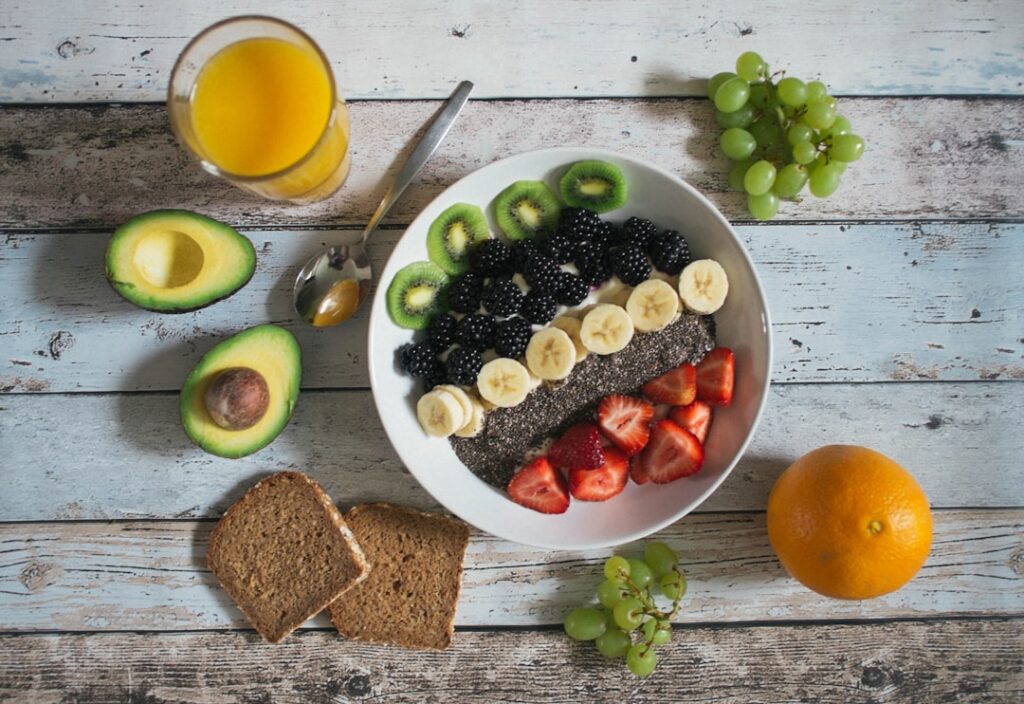
- Start Your Day Right: Add oats or banana slices to your yogurt or kefir.
- Flavor Your Meals: Use garlic and onions generously in your cooking.
- Snack Smart: Enjoy an apple or a slightly green banana as a healthy snack.
- Experiment with Fermented Foods: Try adding a spoonful of sauerkraut to your sandwich or a side of kimchi to your meals.
- Smoothie Boost: Blend kefir or yogurt with a handful of spinach and a banana for a gut-friendly smoothie.
If you’re considering supplements, always consult with a healthcare professional to determine the best approach for your individual needs.
Important Considerations
Remember that individual responses to prebiotics and probiotics can vary. It’s always best to introduce new foods gradually and observe how your body reacts. If you have any underlying health conditions or are taking medications, please consult your doctor or a registered dietitian before making significant dietary changes or starting supplements. This information is for educational purposes only and is not a substitute for professional medical advice or treatment.
By understanding and strategically incorporating prebiotics and probiotics into your daily routine, you can take proactive steps towards nurturing a healthier, happier gut, and supporting your overall well-being!