Your body is a marvel, constantly working to keep you healthy, vibrant, and active. But even the most efficient systems need consistent support and nourishment. The good news? Nature provides an abundance of delicious, accessible ways to boost your vital organs, ensuring they function optimally for years to come.
This article, inspired by our recent infographic, dives into five powerhouse fruits that can specifically help nourish your liver, heart, brain, kidneys, and lungs for lasting health. Discover how incorporating these simple yet potent additions into your daily diet can make a significant difference in your overall well-being.
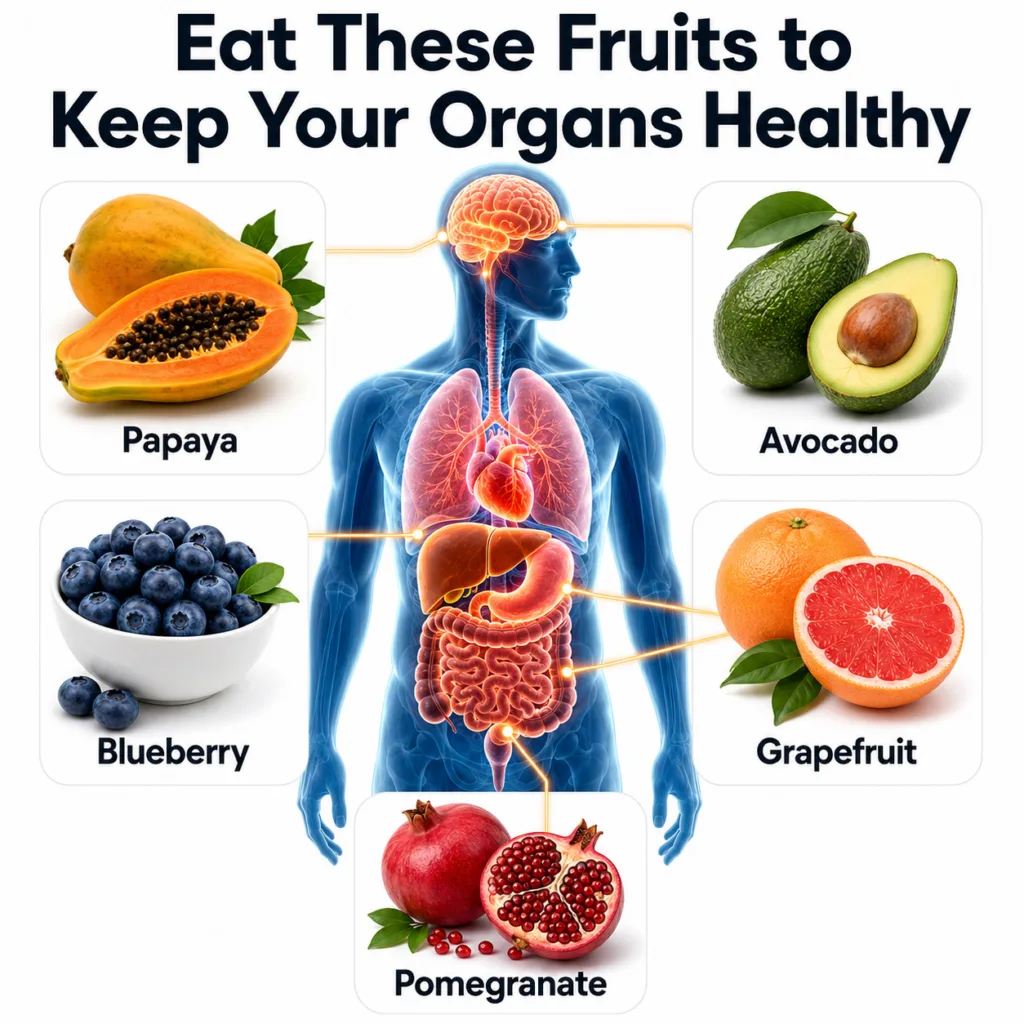
The Power of Produce: How Fruits Support Your Organs
Our organs are the silent heroes of our body, each performing critical functions that keep us alive and well. From detoxifying our blood to pumping life-sustaining oxygen, these internal powerhouses need a steady supply of nutrients. Fruits, packed with vitamins, minerals, antioxidants, and fiber, are an ideal way to provide this essential support.
Let’s explore five specific fruits and the incredible ways they contribute to the health of your vital organs.
1. Papaya: Your Liver’s Best Friend
The liver is your body’s primary detoxifier, filtering toxins and aiding digestion. Papaya, a sweet tropical fruit, is a fantastic ally for liver health. It contains potent digestive enzymes like papain and chymopapain, which can help break down proteins and support overall digestive function, reducing the burden on the liver.
- Key Benefits: Rich in antioxidants (like beta-carotene and vitamin C), which combat oxidative stress in the liver. Its anti-inflammatory properties can also help protect liver cells.
- How to Enjoy: Enjoy sliced papaya as a snack, add it to fruit salads, or blend it into smoothies. For an extra boost, pair it with a squeeze of lime.
2. Avocado: Nurturing Your Heart
Often considered a vegetable, avocado is botanically a fruit—and a true superstar for heart health. Its unique composition of healthy monounsaturated fats, particularly oleic acid, is known to help reduce bad cholesterol levels while raising good cholesterol, a crucial factor in preventing heart disease.
- Key Benefits: Packed with potassium, which helps regulate blood pressure, and fiber, which contributes to cardiovascular health. It also contains powerful antioxidants like lutein.
- How to Enjoy: Slice it into salads, smash it onto whole-grain toast, or blend it into creamy smoothies for a dose of heart-healthy fats.
3. Blueberries: Fueling Your Brain
Small but mighty, blueberries are renowned for their incredible impact on brain health. These tiny berries are loaded with antioxidants, especially flavonoids, which have been shown to cross the blood-brain barrier and directly impact brain cells.
- Key Benefits: May help improve memory, enhance cognitive function, and protect brain cells from oxidative damage and inflammation, which are linked to age-related cognitive decline.
- How to Enjoy: Add a handful to your morning oatmeal, yogurt, or cereal. They’re also perfect in smoothies or simply enjoyed fresh as a quick, brain-boosting snack.
4. Grapefruit: Supporting Kidney Function
Your kidneys work tirelessly to filter waste and excess water from your blood, maintaining electrolyte balance. Grapefruit, with its high water content and beneficial compounds, can be a supportive addition to a kidney-friendly diet.
- Key Benefits: Rich in vitamin C and antioxidants. Its hydrating properties are essential for proper kidney function, helping to flush toxins. Some studies suggest that the citric acid in grapefruit may help prevent the formation of certain kidney stones.
- How to Enjoy: Enjoy half a grapefruit for breakfast, add segments to salads, or squeeze its juice into water for a refreshing and hydrating drink.
5. Pomegranate: Protecting Your Lungs
The lungs are vital for breathing, supplying oxygen to every cell in your body. Pomegranate, a fruit often associated with powerful antioxidants, offers unique benefits for respiratory health.
- Key Benefits: Contains strong anti-inflammatory compounds and antioxidants (punicalagins) that may help protect lung tissue from damage caused by pollution and oxidative stress. Some research suggests it can help reduce inflammation in the lungs.
- How to Enjoy: Sprinkle the juicy arils over yogurt, salads, or oatmeal. Pomegranate juice (in moderation) is another popular way to consume this beneficial fruit.
Tips for Incorporating Organ-Nourishing Fruits into Your Diet
Making these fruits a regular part of your diet is easier than you think. Here are some simple strategies:
- Smoothie Boost: Blend a combination of these fruits into your morning smoothie. Blueberries, avocado, and papaya all work wonderfully.
- Snack Smart: Keep a bowl of blueberries or a sliced papaya handy for a quick, healthy snack.
- Salad Enhancer: Add avocado slices, pomegranate arils, or grapefruit segments to your lunch or dinner salads for extra flavor and nutrients.
- Breakfast Power: Top your oatmeal, yogurt, or cereal with any of these fruits to kickstart your day with a nutritional punch.
Frequently Asked Questions About Organ Health and Fruits
Can these fruits cure existing organ diseases?
While these fruits offer incredible nutritional support and can contribute to overall organ health, they are not a cure for existing medical conditions. Always consult with a qualified healthcare professional for diagnosis and treatment of any health concerns.
Is it better to eat these fruits raw or cooked?
For most fruits, eating them raw is ideal to preserve their full spectrum of vitamins, enzymes, and antioxidants, which can sometimes be diminished by heat. However, some fruits like papaya can be enjoyed cooked in certain dishes.
How much of these fruits should I eat daily?
A general recommendation for fruit intake is 1.5 to 2 cups per day, as part of a balanced diet. You can mix and match these fruits to reach your daily targets. Listen to your body and consult a nutritionist for personalized advice.
Are there any side effects or contraindications?
While generally safe and healthy, grapefruit can interact with certain medications. Always consult your doctor or pharmacist if you are on medication to ensure there are no adverse interactions. If you have specific health conditions, it’s always wise to discuss dietary changes with your healthcare provider.
Final Thoughts
Nourishing your organs is a foundational step toward a long, healthy life, and nature has provided us with delicious tools to do just that. By regularly incorporating powerhouse fruits like papaya, avocado, blueberries, grapefruit, and pomegranate into your diet, you’re investing in the longevity and optimal function of your most vital internal systems. Make these simple additions, and feel the difference that lasting, natural health can bring.