Every gardener dreams of a lush, healthy garden overflowing with vibrant flowers and bountiful vegetables. But sometimes, despite our best efforts, unwanted guests — garden pests — decide to make themselves at home, munching on leaves and ruining harvests. While there are many ways to tackle pests, one of the smartest strategies starts even before you plant: choosing your plants wisely!
Did you know that some plants are veritable magnets for common garden pests? By understanding which plants tend to attract trouble, you can make smarter planting choices and reduce the likelihood of a pest invasion. Let’s dive into what not to plant, or at least how to plant strategically, to keep your garden thriving and pest-free!
Why Your Plant Choices Matter for Pest Control
It’s simple: pests are looking for food and shelter. Certain plants provide exactly what specific pests need to survive and reproduce. For example, some plants have tender leaves that are easy to chew, while others emit scents that attract specific insects. By minimizing the presence of these ‘pest magnets’ or isolating them, you can significantly reduce the pest population in your garden.
Common Pest Magnets: What to Consider Before Planting
Here are some popular garden plants that are known to attract specific pests. This doesn’t mean you can never grow them, but it means you should be aware and perhaps plant them with extra care or away from more vulnerable plants.
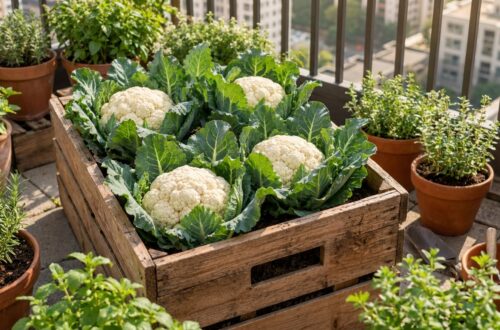
1. Plants in the Brassica Family (Cabbage, Broccoli, Kale, Brussels Sprouts)
- Pests Attracted: Cabbage worms, aphids, flea beetles, cabbage loopers.
- Why: These plants are a primary food source for a variety of caterpillars and sap-sucking insects.
- Strategy: Consider using row covers, practicing crop rotation, or planting resistant varieties. Companion planting with herbs like dill, mint, or thyme can also help deter some pests.
2. Cucumbers, Squash, and Zucchini
- Pests Attracted: Squash bugs, cucumber beetles, squash vine borers.
- Why: These plants are notorious for attracting specific pests that can quickly devastate a harvest.
- Strategy: Monitor regularly, especially under leaves. Consider planting trap crops (like blue hubbard squash to attract squash bugs away from other plants) or using floating row covers early in the season.
3. Roses
- Pests Attracted: Aphids, Japanese beetles, spider mites, rose slugs.
- Why: Their tender new growth and attractive blooms are a feast for many insects.
- Strategy: While you might not want to avoid roses, consider resistant varieties, encourage beneficial insects (like ladybugs), and practice good garden hygiene.
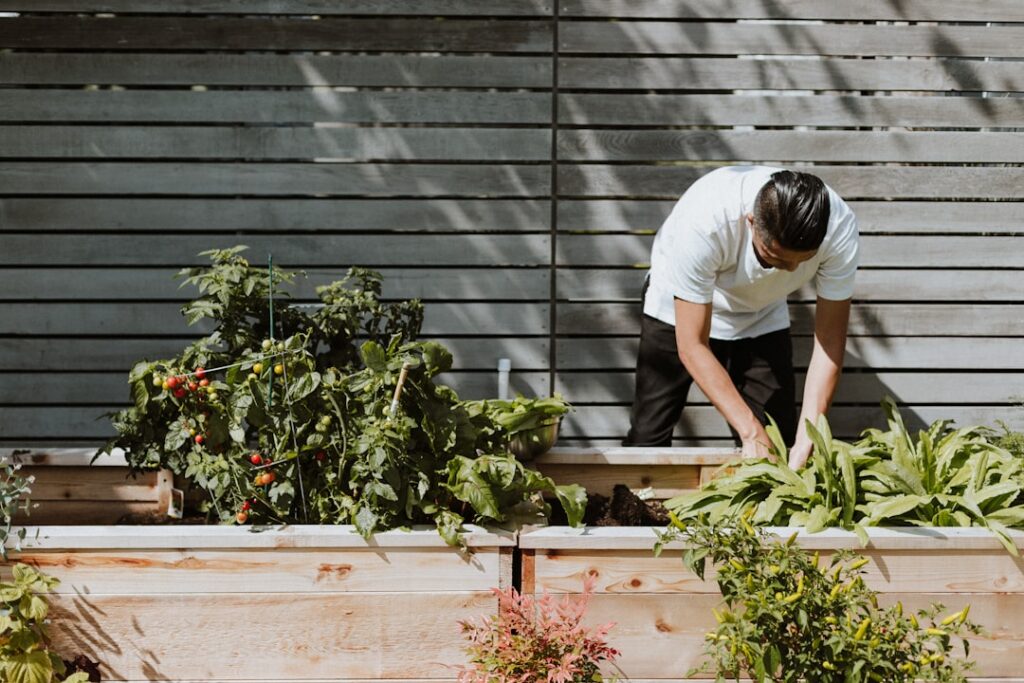
4. Tomatoes
- Pests Attracted: Tomato hornworms, aphids, whiteflies, spider mites.
- Why: Tomatoes are a favorite for several common garden pests.
- Strategy: Hand-pick hornworms (they’re large and easy to spot!). Encourage predatory wasps. Ensure good air circulation to prevent fungal issues that can weaken plants and make them more susceptible to pests.
5. Lettuce and Leafy Greens
- Pests Attracted: Slugs, snails, aphids, flea beetles.
- Why: Their soft, succulent leaves are irresistible to many munching pests.
- Strategy: Use barriers like diatomaceous earth around beds. Plant in raised beds or containers. Water in the morning to allow leaves to dry before evening, making them less appealing to slugs and snails.
Beyond Avoiding: Smart Planting for Pest Prevention
Simply knowing what not to plant is only half the battle. Here are additional smart planting tips to create a truly pest-resilient garden:
- Embrace Companion Planting: Plant pest-repelling herbs and flowers alongside your vulnerable crops. Marigolds, nasturtiums, garlic, and chives are excellent choices for deterring various pests.
- Attract Beneficial Insects: Encourage predators like ladybugs, lacewings, and predatory wasps by planting flowers with small, accessible nectar sources like dill, fennel, and cosmos.
- Crop Rotation: Don’t plant the same crop in the same spot year after year. This confuses pests and breaks their life cycles.
- Healthy Soil, Healthy Plants: Plants growing in rich, healthy soil with proper nutrients are more resilient to pest attacks.
- Regular Monitoring: Early detection is key! Regularly inspect your plants for signs of pests and address issues promptly before they get out of hand.
Cultivate a Resilient Garden
Building a pest-proof garden isn’t about eliminating every single insect; it’s about creating a balanced ecosystem where natural defenses thrive. By making informed choices about what you plant, you empower your garden to defend itself, leading to healthier plants and a more enjoyable gardening experience. Happy planting, and here’s to a harvest free from unwanted nibblers!