Most people ignore it, considering it nothing more than a stubborn weed in their garden. Yet, this humble plant, often dismissed as common, actually holds a wealth of traditional insights and practical benefits. We’re talking about Purslane (Portulaca oleracea), a succulent leafy green that might just be the most overlooked powerhouse in your backyard.
This isn’t about exotic superfoods or hard-to-find herbs. This is about discovering the surprising utility of a plant you likely walk past every day. Its hidden value, from the kitchen to topical applications, is truly remarkable once you know how to unlock it.
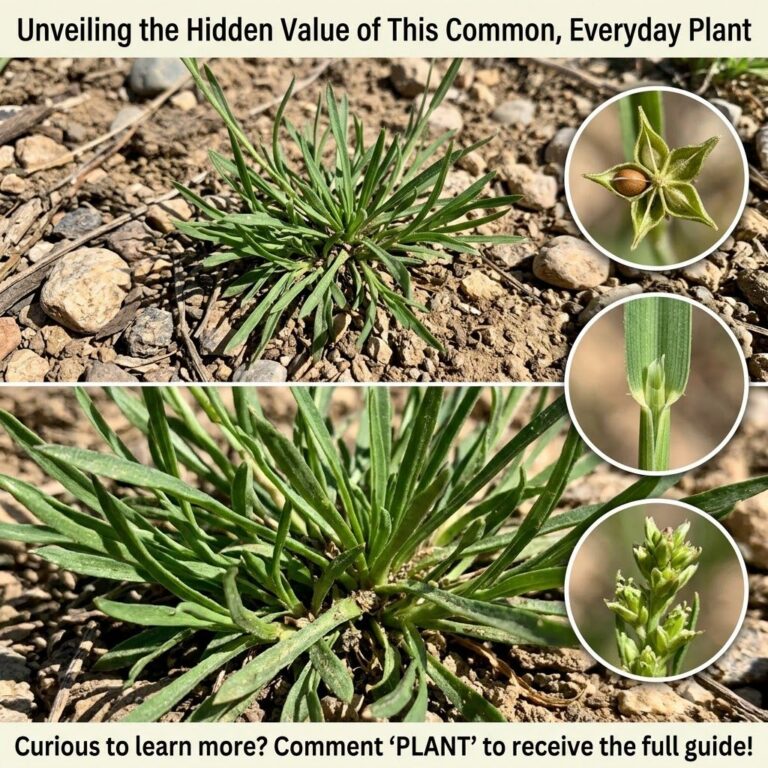
What is Purslane (Portulaca oleracea)?
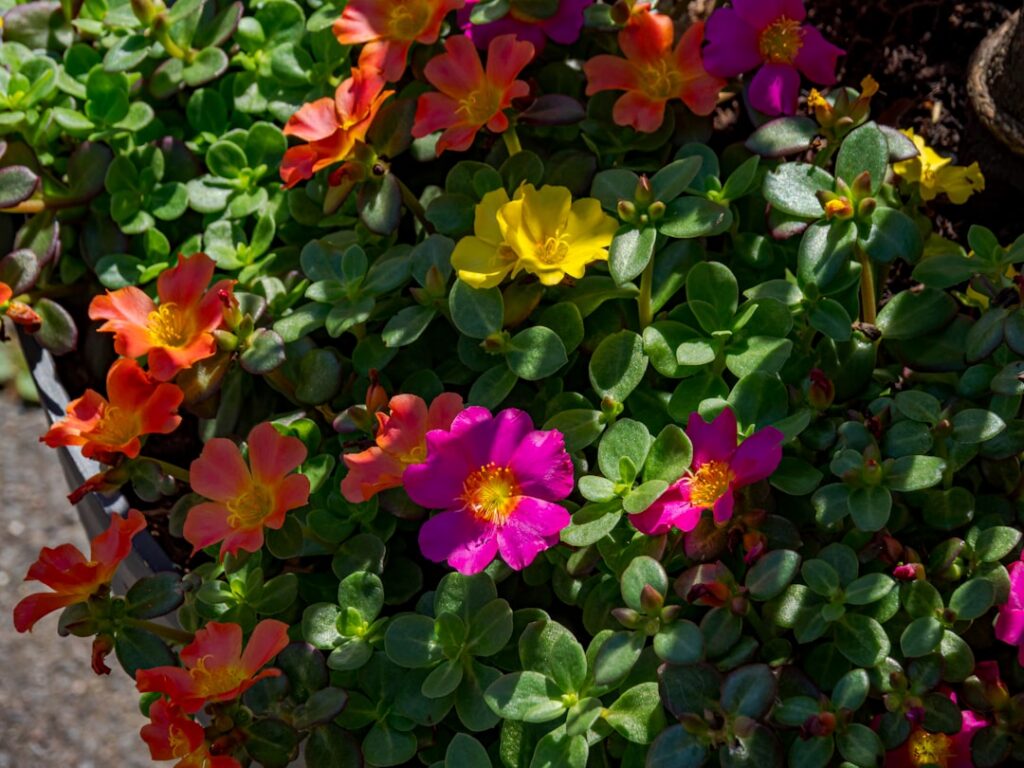
Purslane, scientifically known as Portulaca oleracea, is an annual succulent plant that thrives in disturbed soils, gardens, and even cracks in pavements. Its thick, reddish stems and paddle-shaped, fleshy green leaves are characteristic. While often pulled as a weed, it’s a popular ingredient in many cuisines around the world, particularly in Mediterranean, Middle Eastern, and Asian dishes, thanks to its slightly sour and peppery taste.
Beyond its culinary appeal, purslane has a long history in traditional medicine, valued for its potential to support overall wellness. It’s incredibly nutrient-dense, packed with vitamins, minerals, and antioxidants, including high levels of Omega-3 fatty acids – a rarity for leafy greens.
Harvesting Your Own Purslane
One of the best ways to access purslane’s benefits is by harvesting it fresh. It grows readily in many climates from late spring through fall. Look for healthy, vibrant green leaves and sturdy stems. Avoid plants growing near busy roads or areas that might have been sprayed with pesticides or herbicides.
Ingredients for a Simple Purslane Infusion & Poultice
- Fresh Purslane leaves and stems (about 1-2 cups, loosely packed)
- Filtered water (2 cups for infusion)
- Clean cloth or gauze (for poultice)
Formulas and Recipes
1. Purslane Infusion (Tea)
This simple tea allows you to extract many of purslane’s water-soluble compounds. It’s excellent for internal use.
Step-by-Step Method:
- Clean the Purslane: Rinse your fresh purslane thoroughly under cold water to remove any dirt or small insects. Pat dry lightly.
- Chop: Roughly chop the purslane leaves and tender stems.
- Boil Water: Bring 2 cups of filtered water to a boil.
- Infuse: Place the chopped purslane in a heat-proof mug or jar. Pour the boiling water over it.
- Steep: Cover and let steep for 10-15 minutes. Covering helps to keep the volatile compounds from escaping with the steam.
- Strain: Strain the liquid into a clean cup, discarding the plant material.
- Enjoy: Drink warm. You can add a squeeze of lemon or a touch of honey if desired, but purslane has a naturally mild, slightly tangy flavor.
2. Simple Purslane Poultice (Topical Application)
For external use, a poultice can be applied directly to the skin.
Step-by-Step Method:
- Clean & Prep: Thoroughly wash about 1 cup of fresh purslane.
- Crush: Use a mortar and pestle or a clean fork to crush the purslane until it forms a moist, pulpy mass. You want to break down the cell walls to release its juices.
- Apply: Place the crushed purslane directly onto the affected skin area.
- Cover: Cover with a clean cloth or gauze to hold it in place.
- Secure: Use medical tape or a bandage to keep the poultice secured.
How to Use & How Often to Use
- Purslane Infusion: Drink 1-2 cups daily. It’s often consumed to support digestion, provide antioxidants, and contribute to overall wellness. Best consumed between meals or in the morning.
- Purslane Poultice: Apply for 30 minutes to 1 hour, once or twice daily, or as needed. Traditionally used for minor skin irritations, insect bites, or to soothe dry skin.
Quick Tip: Fresh purslane is also excellent added directly to salads, smoothies, or stir-fries for a nutrient boost!
How to Choose & Store Purslane
Foraging vs. Buying:
land_table>
Storage:
Fresh Purslane: Store unwashed purslane in a plastic bag in the refrigerator for up to 3-5 days. It’s a succulent, so it holds moisture well, but will eventually wilt.
Prepared Infusion: The infusion is best consumed fresh. If you have leftovers, refrigerate in an airtight container for no more than 24 hours.
Poultice: Prepare fresh each time for maximum efficacy.
Practical Tips
- Identification is Key: Ensure you correctly identify purslane. Its thick, reddish stems and paddle-shaped leaves are quite distinct. If in doubt, do not consume.
- Harvesting: Harvest the tender new growth for the best flavor and texture. You can snip off the top few inches of the plant; it will often regrow.
- Taste Test: Purslane has a unique tangy, slightly salty, and peppery flavor. Try a small piece raw to get acquainted with its taste before preparing larger quantities.
Common Mistakes
Here’s the part most people skip:
- Misidentification: Confusing purslane with other similar-looking plants, some of which may be toxic. Always be 100% sure of your identification.
- Using Sprayed Plants: Harvesting from areas treated with pesticides, herbicides, or close to industrial pollution. This defeats the purpose of a natural remedy.
- Over-Boiling: For the infusion, do not boil the purslane directly. Steep it in hot water to preserve heat-sensitive nutrients and compounds.
- Improper Storage: Letting fresh purslane sit out at room temperature for too long, causing it to wilt and lose potency.
Did You Know? Purslane is one of the richest plant sources of Omega-3 fatty acids, often found primarily in fish!
Cautions / Who Should Avoid It
While generally considered safe for most people, some individuals should exercise caution:
- Kidney Stones: Purslane is high in oxalates, which can contribute to kidney stone formation in susceptible individuals. If you have a history of kidney stones, consult a healthcare professional before consuming large amounts. Cooking can reduce oxalate content.
- Pregnancy and Breastfeeding: Limited research exists on purslane’s effects during pregnancy and breastfeeding. It’s best to consult a doctor before using it medicinally.
- Medication Interactions: If you are on diuretics or blood thinners, consult your doctor, as purslane may have mild diuretic properties and impact blood clotting.
Quick Summary: Your Purslane Cheat Sheet
- Best Preparation: Fresh infusion for internal use, crushed poultice for external.
- Best Use-Case: General wellness, antioxidant boost, minor skin irritations.
- Storage: Fresh in fridge (3-5 days), infusion consumed fresh.
- When to Use: Daily for general health, as needed for topical issues.
- What to Avoid: Misidentification, sprayed plants, over-boiling.
FAQ
- Can I use dried purslane for tea? While possible, fresh purslane is highly recommended for its higher nutrient content and succulence. Drying may diminish some benefits, especially Omega-3s.
- How long does fresh purslane last? When stored unwashed in a plastic bag in the refrigerator, it can last 3-5 days.
- Can I freeze purslane? Yes, you can blanch and freeze purslane for longer storage, though it will lose some of its crisp texture and is best used in cooked dishes or smoothies.
- How often should I consume purslane tea? 1-2 cups daily is a common recommendation for general wellness.
- What part of the purslane plant is best to use? The leaves and tender stems are typically used. The roots are generally not consumed.
- Does purslane taste bitter? No, it has a distinct slightly sour, tangy, and peppery taste, often described as refreshing.
- Can children consume purslane? In moderation, as part of a varied diet, it’s generally safe. Consult a pediatrician for medicinal uses.
- Is there a difference between wild and cultivated purslane? Wild purslane can sometimes have a more intense flavor, but both offer similar nutritional benefits.
The next time you spot this resilient plant, remember its hidden potential. Purslane isn’t just a common weed; it’s a versatile ingredient and a traditional remedy waiting to be rediscovered. With simple preparation, you can tap into its impressive nutritional profile and embrace a truly homegrown approach to wellness.
You may also like: DIY Dandelion Root Coffee: Your Guide to a Healthier Brew
Read more: The Beginner’s Guide to Safe Wild Edible Foraging
| Feature | Freshly Foraged Purslane | Store-Bought Purslane |
|---|---|---|
| Source | From your garden, wild areas (ensure no sprays) | Farmers’ markets, specialty grocery stores |
| Freshness | Maximum freshness, often harvested just before use | Can vary, check for crispness |
| Pesticides | Control over your environment, ensure no chemicals | Organic options available, but always wash thoroughly |
| Cost | Free! | Can be expensive |