Hey beautiful! Your beauty bestie here, ready to chat about something a little unexpected. We all love a good DIY hack, especially when it promises glowing skin without breaking the bank. Today, we’re diving into a buzz-worthy combo that’s been making rounds: Vaseline and baking soda for skin treatment. Sounds intriguing, right? Let’s uncover if this duo is a secret weapon or if we need to proceed with a little caution.
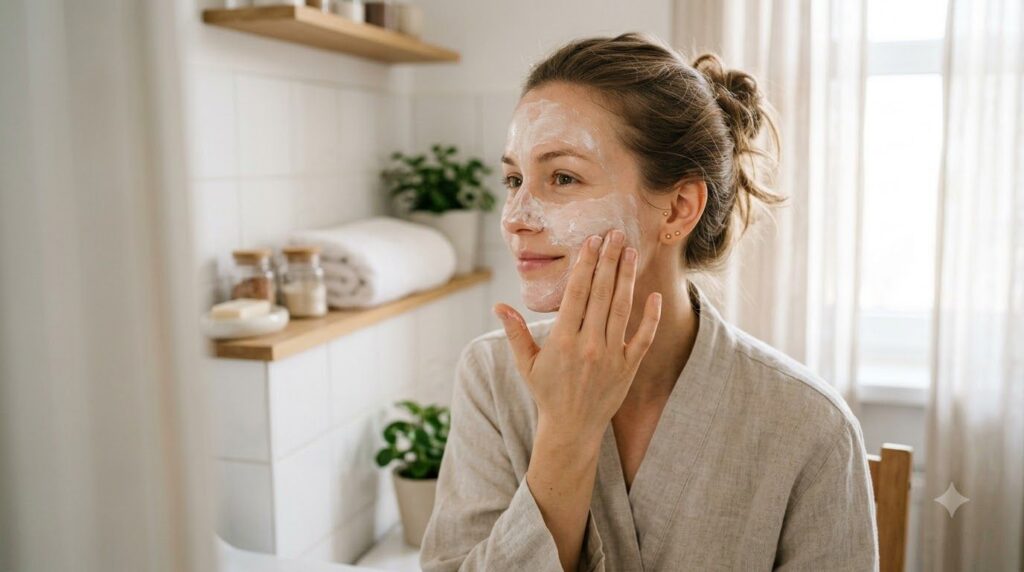
The Unexpected Duo: Vaseline & Baking Soda
Vaseline: The Moisture Master
We all know and love Vaseline (petroleum jelly) as a super simple, incredibly effective occlusive. What does that mean? It creates a protective barrier on your skin, locking in moisture and helping to heal dryness, chapped lips, and minor skin irritations. It’s a fantastic moisturizer that’s non-comedogenic (meaning it won’t clog pores for most people) and has been used for generations to keep skin soft and supple.
Baking Soda: The Gentle Exfoliator (With a Catch!)
Baking soda, or sodium bicarbonate, is a common household item often used for baking, cleaning, and even as a deodorizer. In skincare, it’s sometimes touted as a natural exfoliant. Its fine, powdery texture can physically buff away dead skin cells, making your skin feel smoother. However, here’s the catch: baking soda has a much higher pH level (around 8-9) than your skin’s natural pH (around 4.5-5.5). This difference can potentially disrupt your skin’s protective acid mantle, leading to irritation, dryness, and even breaking down your skin’s barrier over time if used improperly or too frequently.
Why Combine Them? The Proposed Benefits
The idea behind combining Vaseline and baking soda is to leverage baking soda’s exfoliating properties while counteracting its potential drying effects with Vaseline’s moisturizing power. Proponents suggest this mix can help with:
- Gentle Exfoliation: To remove dead skin cells and reveal brighter skin.
- Smoother Skin Texture: By buffing away rough patches.
- Targeting Specific Concerns: Some use it for areas like rough elbows, knees, or even to soften cuticles.
It’s important to approach these claims with an open mind and, most importantly, caution!
Your DIY Guide: How to Try the Vaseline & Baking Soda Treatment
If you’re curious to try this, remember that less is more, and listening to your skin is key. Here’s a simple recipe:
What You’ll Need:
- 1 teaspoon baking soda
- 1 teaspoon Vaseline (petroleum jelly)
- A small, clean bowl
- A clean spoon or spatula for mixing
Step-by-Step Application:
- Cleanse Your Skin: Start with a clean, makeup-free face. Gently wash your skin with your usual cleanser and pat it dry.
- Mix the Duo: In your small bowl, combine 1 teaspoon of baking soda with 1 teaspoon of Vaseline. Mix them thoroughly until you have a smooth, paste-like consistency.
- Patch Test FIRST: This step is non-negotiable! Apply a tiny amount of the mixture to a small, inconspicuous area of your skin (like behind your ear or on your inner arm). Wait 24 hours to check for any redness, irritation, or itching. If you experience any discomfort, rinse immediately and do not proceed.
- Gentle Application: If your patch test goes well, apply a thin layer of the mixture to the areas you want to treat (e.g., specific rough spots, but avoid sensitive areas like around the eyes).
- Massage (Very Gently!): With light, circular motions, very gently massage the mixture into your skin for no more than 30 seconds. Remember, baking soda is abrasive, so extreme gentleness is crucial.
- Rinse Thoroughly: Rinse your skin with lukewarm water until all traces of the mixture are gone.
- Moisturize: Follow up with a hydrating, gentle moisturizer to soothe and protect your skin.
Important Precautions & Who Should Avoid It
While DIY hacks can be fun, your skin’s health is paramount. Please keep these crucial points in mind:
- Sensitive Skin: If you have sensitive, dry, or acne-prone skin, it’s generally best to avoid baking soda on your face altogether. The pH imbalance can worsen these conditions.
- Frequency: If you choose to use it, limit application to once a week at most, or even less frequently. Over-exfoliation can damage your skin barrier.
- Avoid Open Wounds or Active Breakouts: Never apply this mixture to broken skin, cuts, or active acne lesions, as it can cause irritation and worsen inflammation.
- Sun Sensitivity: Exfoliation can make your skin more sensitive to the sun. Always use a broad-spectrum sunscreen afterward, especially if you’re exfoliating your face.
- Listen to Your Skin: Any stinging, burning, redness, or excessive dryness means you should stop immediately.
My Takeaway, Beauty Bestie Style
The Vaseline and baking soda combo is definitely one of those