Imagine stepping onto your balcony and plucking a ripe, juicy fruit directly from a tree you’ve nurtured yourself. Sound like a dream only for those with sprawling backyards? Think again! With dwarf fruit trees, even the smallest urban balcony can transform into a vibrant, productive orchard. This guide will show you how to cultivate your own homegrown bounty, bringing nature’s healing touch right to your doorstep.
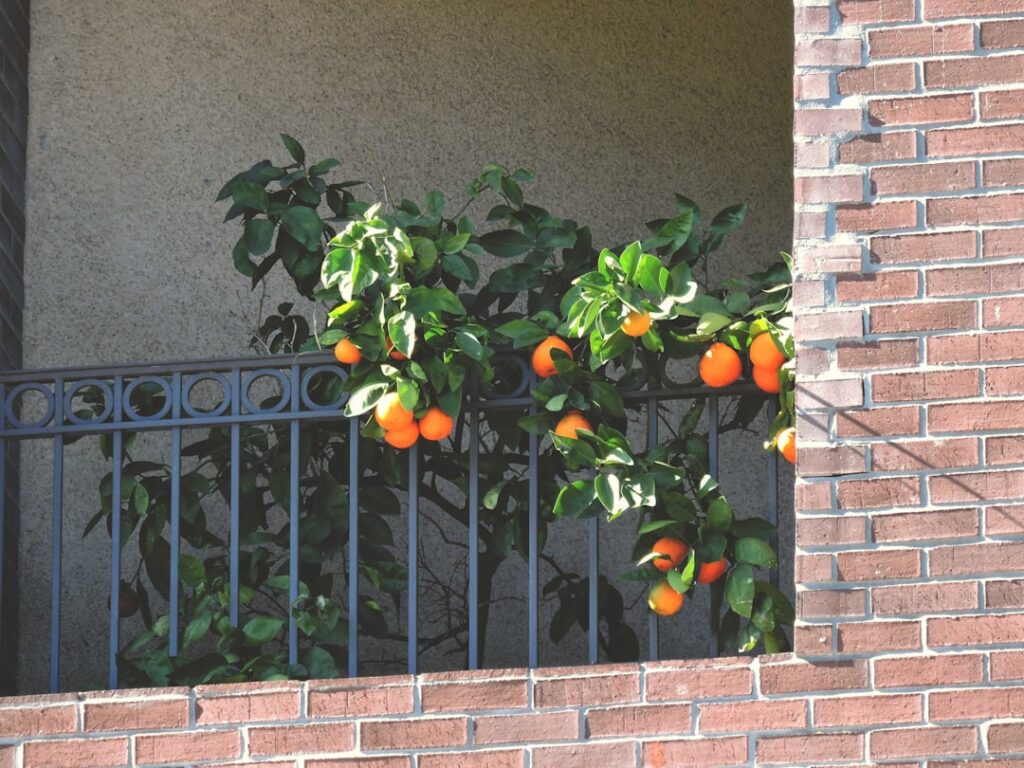
Why Dwarf Fruit Trees for Balconies?
Dwarf fruit trees are specially bred to remain small, making them perfect for container gardening. They offer all the delights of full-sized trees—beautiful blossoms, fragrant leaves, and delicious fruit—without requiring vast amounts of space. Here’s why they’re ideal for urban dwellers:
- Space-Saving: Their compact size fits perfectly on balconies, patios, and small decks.
- Portability: Potted trees can be moved to capture optimal sunlight or protected from harsh weather.
- Fresh, Organic Produce: Enjoy chemical-free fruits right from your home.
- Beauty and Ambiance: Add a touch of green, natural beauty, and a calming atmosphere to your urban space.
- Stress Relief: Gardening is a wonderful way to connect with nature and unwind.
Choosing the Right Dwarf Fruit Trees
The key to a successful balcony orchard begins with selecting the right trees. Not all dwarf varieties are created equal, and some are better suited for container life than others.
Top Picks for Potted Balcony Living
- Dwarf Citrus Trees (Lemons, Limes, Oranges): Many citrus varieties thrive in pots and love plenty of sun. They are also highly ornamental.
- Dwarf Fig Trees: Figs are remarkably adaptable to container life and produce abundant, sweet fruit.
- Dwarf Pomegranate: These offer beautiful flowers and unique fruit, performing well in pots.
- Bush Cherries: Varieties like ‘Carmine Jewel’ are very cold-hardy and produce delicious tart cherries.
- Columnar Apple Trees: These grow tall and narrow, perfect for tight spaces, producing full-sized apples.
- Blueberries: Require acidic soil but can be very productive in containers, especially if you plant two varieties for better pollination.
Key Factors to Consider
- Sunlight: Most fruit trees need at least 6-8 hours of direct sunlight daily. Observe your balcony throughout the day.
- Hardiness Zone: Choose trees that are suited to your local climate. Container plants are more vulnerable to cold than in-ground plants.
- Self-Pollinating vs. Cross-Pollinating: Some trees need a partner to produce fruit. Check if your chosen variety is self-pollinating or if you’ll need to plant two.
Essential Steps to Start Your Balcony Orchard
Once you’ve chosen your trees, it’s time to get planting!
Selecting the Perfect Pot
Size matters! Dwarf fruit trees need large pots to accommodate their root systems and provide stability. Opt for containers that are at least 15-25 gallons (about 18-24 inches in diameter and depth) with good drainage holes. Terracotta, ceramic, or sturdy plastic pots are all good choices. Darker pots can absorb more heat, which might be beneficial in cooler climates but a concern in very hot ones.
Soil Matters
Don’t use garden soil; it compacts too easily in pots. Choose a high-quality, well-draining potting mix. Look for mixes specifically designed for containers, often containing perlite or vermiculite for aeration. A slightly acidic to neutral pH is generally good for most fruit trees (check specific tree requirements).
Planting Your Tree
- Add a layer of potting mix to the bottom of your pot.
- Carefully remove the tree from its nursery container, gently loosening any circling roots.
- Place the tree in the pot, ensuring the top of the root ball is at the same level as, or slightly below, the pot’s rim. The graft union (a slight bulge on the trunk where the fruiting variety is joined to the rootstock) should be above the soil line.
- Fill the pot with more potting mix, gently firming it around the roots.
- Water thoroughly until water drains from the bottom.
Watering Wisdom
Potted plants dry out faster than in-ground plants. Check the soil moisture daily by sticking your finger about an inch or two deep. Water when the top inch or two feels dry. Ensure consistent moisture, especially during fruiting, but avoid overwatering, which can lead to root rot. Good drainage is crucial.
Feeding Your Fruit Trees
Container plants need regular feeding as nutrients leach out with watering. Use a balanced, slow-release granular fertilizer or a liquid feed specifically formulated for fruit trees. Follow the product instructions for application rates and frequency, typically during the growing season.
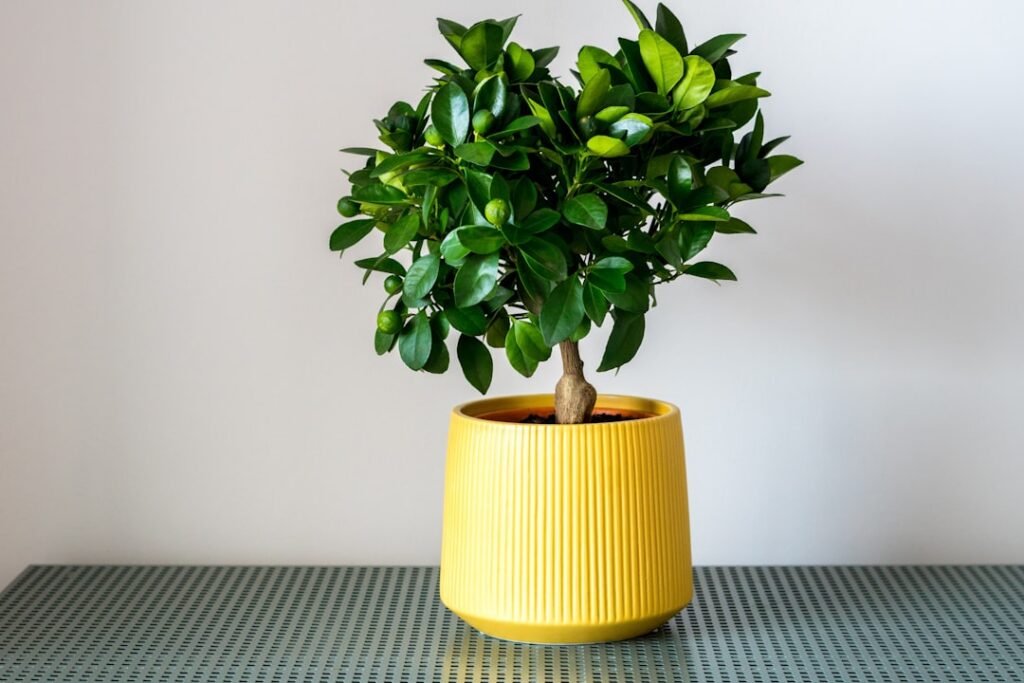
Pruning for Productivity and Shape
Pruning helps maintain the tree’s size, shape, and encourages better fruit production. Learn the specific pruning needs for your chosen tree type. Generally, remove dead, diseased, or crossing branches, and thin out overcrowded areas to improve air circulation and sunlight penetration.
Pest and Disease Management
Monitor your trees regularly for any signs of pests or diseases. Early detection is key. Many common issues can be managed with organic solutions like neem oil or insecticidal soap. Healthy, well-fed trees are also more resistant to problems.
Sunlight Requirements
As mentioned, most fruit trees crave sunshine. Position your pots in the sunniest spot on your balcony. If your balcony gets less than ideal sun, consider citrus or figs, which can be more tolerant of partial sun, though fruit production might be reduced.
Harvesting Your Homegrown Bounty
The most exciting part! Harvesting your own fruit is incredibly satisfying. Learn to recognize when your specific fruit is ripe. It’s often indicated by color, firmness, and how easily it detaches from the branch. Enjoy the fresh, vibrant flavors that supermarket fruits can rarely match.
Embracing Nature’s Healing on Your Balcony
Beyond the delicious fruit, nurturing a balcony orchard offers immense benefits for your well-being. The simple act of caring for a living plant, watching it grow, and eventually harvesting its bounty can reduce stress, improve mood, and foster a deeper connection to nature. It’s a small piece of green sanctuary in the heart of the city, offering a peaceful escape and a constant reminder of life’s simple wonders.
Start Your Balcony Orchard Today!
With a little planning and consistent care, your urban balcony can become a thriving orchard, a source of fresh fruit, and a beautiful green retreat. Don’t let limited space limit your gardening dreams. Embrace the joy of growing your own food and experience the truly rewarding journey of nurturing nature on your balcony.
What dwarf fruit trees are you excited to grow? Share your plans and any tips you have in the comments below!