Bad breath, medically known as halitosis, can be an embarrassing and confidence-dampening issue. While it often stems from poor oral hygiene, certain foods, lifestyle choices, or even underlying health conditions can contribute to it. But before you reach for that strong mouthwash, did you know your kitchen might hold some simple, natural solutions?
Maintaining fresh breath is not just about cleanliness; it’s also about understanding what causes the odor and how certain natural ingredients can combat it. Let’s dive into effective ways to keep your breath feeling fresh and confident, using remedies found right in your home.
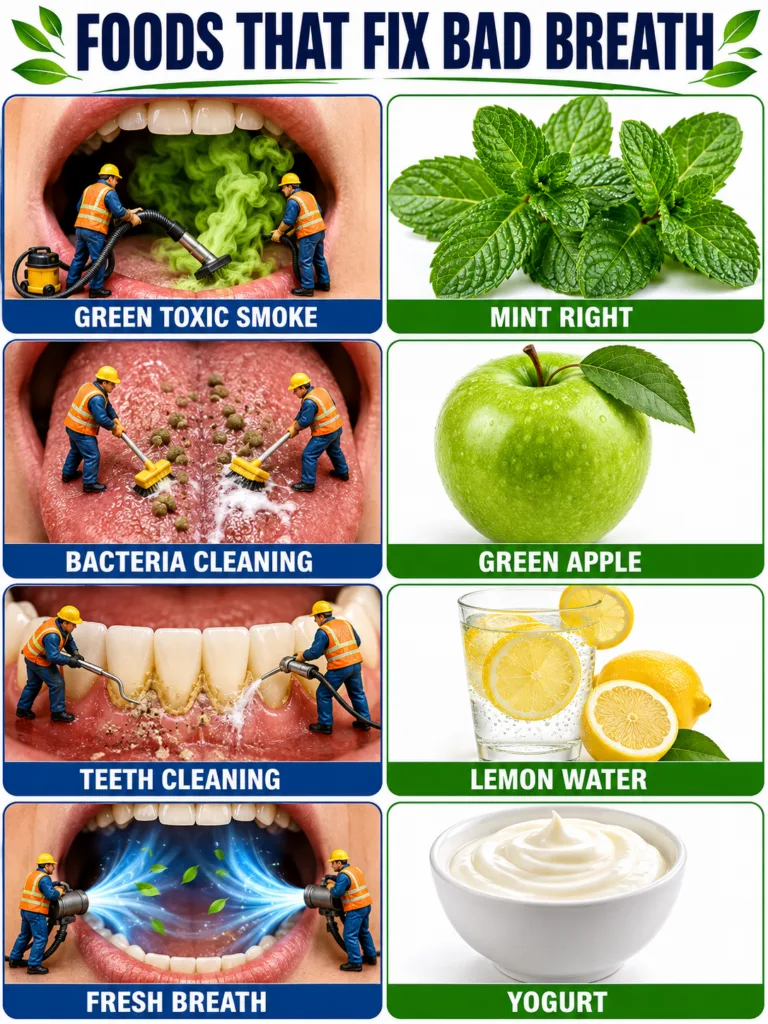 Discover natural ways to combat bad breath with this helpful guide!
Understanding Bad Breath: The Root Cause
Most cases of bad breath originate in the mouth. When you eat, tiny food particles can get trapped between your teeth and on your tongue. Bacteria naturally present in your mouth break down these particles, releasing sulfur compounds that smell unpleasant. Other contributors include dry mouth, smoking, and certain medical conditions.
Your Kitchen Arsenal: Natural Breath Fresheners
Nature offers a bounty of ingredients that can help neutralize odors and promote a healthier oral environment. Here are some of the most effective:
1. Mint Leaves: The Classic Freshener
- Why it works: Mint is renowned for its strong, refreshing aroma. Chewing on fresh mint leaves helps to mask bad odors and its natural oils provide an immediate burst of freshness.
- How to use: Simply chew a few fresh mint leaves after a meal or whenever you feel your breath needs a lift. You can also brew mint tea.
2. Green Apples: Nature’s Toothbrush
- Why it works: Green apples are crisp and fibrous, acting like a natural toothbrush to help scrub away plaque and food particles from your teeth and tongue. Their high water content also helps increase saliva production, which washes away odor-causing bacteria. The natural acids in apples can also help neutralize sulfuric compounds.
- How to use: Eat a green apple whole, especially after meals that tend to leave a strong odor (like garlic or onions).
3. Lemon Water: A Refreshing Rinse
- Why it works: Lemons are acidic, which stimulates saliva production, combating dry mouth (a major cause of bad breath). The citrus scent also helps mask odors, and its antibacterial properties can fight oral bacteria.
- How to use: Squeeze half a lemon into a glass of water and drink it throughout the day. You can also swish a small amount in your mouth after meals. Be mindful of lemon’s acidity on tooth enamel; rinse with plain water afterward.
4. Yogurt: Probiotic Powerhouse
- Why it works: Unsweetened, plain yogurt contains beneficial probiotics (good bacteria) like Lactobacillus bulgaricus and Streptococcus thermophilus. These good bacteria can help suppress the growth of bad bacteria in your mouth and gut that produce odor-causing sulfur compounds.
- How to use: Consume a serving of plain, unsweetened yogurt daily. Look for varieties with live and active cultures.
 A confident smile starts with fresh breath and good oral health.
Beyond Food: Holistic Oral Hygiene Tips
While these natural foods are powerful allies, they work best in conjunction with a consistent oral hygiene routine:
- Brush and Floss Regularly: Brush your teeth at least twice a day and floss daily to remove food particles and plaque.
- Clean Your Tongue: Use a tongue scraper or your toothbrush to clean your tongue, where a significant amount of odor-causing bacteria reside.
- Stay Hydrated: Drink plenty of water throughout the day to keep your mouth moist and wash away bacteria.
- Avoid Odor-Causing Foods: Limit consumption of strong-smelling foods like garlic, onions, and certain spices, especially before social interactions.
- Chew Sugar-Free Gum: This stimulates saliva production, which helps cleanse the mouth.
When to Seek Professional Help
If bad breath persists despite good oral hygiene and incorporating natural remedies, it might be a sign of an underlying health issue. Conditions like gum disease, tooth decay, sinus infections, or even systemic diseases can contribute to chronic halitosis. In such cases, it’s crucial to consult a dentist or doctor for proper diagnosis and treatment.
Embrace Natural Freshness
Taking control of your breath can significantly boost your confidence and overall well-being. By integrating these simple, natural remedies and maintaining consistent oral hygiene, you can enjoy a fresher mouth and breathe easy every day. Give these tips a try and experience the difference natural freshness can make!