Ever find yourself dragging through the day, even after you’ve just eaten? That post-meal slump is more common than you think, and often, the culprit isn’t what you’re eating, but when and how you’re structuring your meals. Imagine a day where your energy levels are steady, your mind is clear, and your body feels nourished and ready for anything. Sound good? It’s not a fantasy – it’s the power of a well-planned healthy eating schedule!
At Remedies Wellness, we believe in practical, sustainable habits that empower you to live your healthiest life. And few habits are as impactful as creating a daily blueprint for your nutrition. Let’s dive into how a simple, healthy eating schedule, focusing on balanced meals with protein, complex carbohydrates, and healthy fats, can transform your day and help you crush your fitness goals.
Why a Healthy Eating Schedule is Your Secret Weapon
Our bodies thrive on consistency. Just like a good sleep schedule helps regulate your internal clock, a consistent eating schedule can:
- Stabilize Energy Levels: Say goodbye to drastic blood sugar spikes and crashes that leave you feeling sluggish. Regular meals keep your energy supply steady.
- Boost Metabolism: Eating at regular intervals can help keep your metabolism ticking over efficiently, aiding in weight management and fat loss.
- Improve Digestion: Your digestive system appreciates routine. A schedule can lead to better nutrient absorption and fewer digestive issues.
- Prevent Overeating: When you’re consistently nourished, you’re less likely to succumb to intense hunger pangs that lead to poor food choices and overeating.
- Support Fitness Goals: Whether you’re aiming for muscle gain or weight loss, strategic timing of nutrients is crucial for recovery, performance, and achieving results.

The Pillars of Balanced Meals: Protein, Carbs, and Healthy Fats
Every main meal should aim to include these three macronutrients to provide sustained energy, satiety, and essential nutrients:
- Protein: The building block of muscles, crucial for repair, growth, and keeping you full. Think lean meats, poultry, fish, eggs, dairy, legumes, and plant-based protein sources.
- Complex Carbohydrates: Your body’s primary energy source. Choose whole grains, vegetables, and fruits for sustained energy release and fiber. Avoid refined sugars and processed carbs that cause quick energy spikes.
- Healthy Fats: Essential for hormone production, nutrient absorption, and long-lasting satiety. Incorporate avocados, nuts, seeds, olive oil, and fatty fish.
Your Daily Blueprint: A Sample Healthy Eating Schedule
This is a flexible guideline, so feel free to adjust portions and timings based on your individual needs, activity level, and preferences. The key is consistency!
Early Morning (7:00 AM – 8:00 AM): Breakfast
- Fuel Up: Start your day with a protein-rich meal to kickstart your metabolism and provide lasting energy.
- Examples: Oatmeal with berries and a scoop of protein powder; scrambled eggs with spinach and whole-wheat toast; Greek yogurt with nuts and fruit.
Mid-Morning (10:00 AM – 11:00 AM): Smart Snack
- Bridge the Gap: A small, balanced snack prevents intense hunger before lunch.
- Examples: Apple slices with almond butter; a handful of mixed nuts; a hard-boiled egg; a small protein shake.
Lunch (12:30 PM – 1:30 PM): Power Meal
- Recharge: A substantial, balanced lunch is crucial to maintain focus and energy through the afternoon.
- Examples: Large salad with grilled chicken or chickpeas, diverse veggies, and olive oil dressing; whole-wheat wrap with lean turkey and hummus; lentil soup with a side of whole-grain bread.
Mid-Afternoon (3:30 PM – 4:30 PM): Smart Snack
- Combat the Slump: This snack is vital to prevent late-day energy dips and curb cravings before dinner.
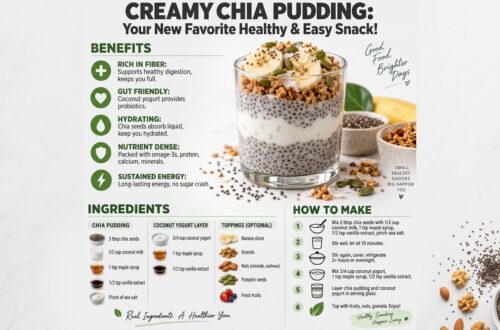
- Examples: Cottage cheese with pineapple; a small handful of cashews; vegetable sticks with hummus; a rice cake with avocado.
Dinner (6:30 PM – 7:30 PM): Nourishing End to the Day
- Recover and Replenish: A lighter yet fulfilling dinner helps with recovery and prepares your body for rest.
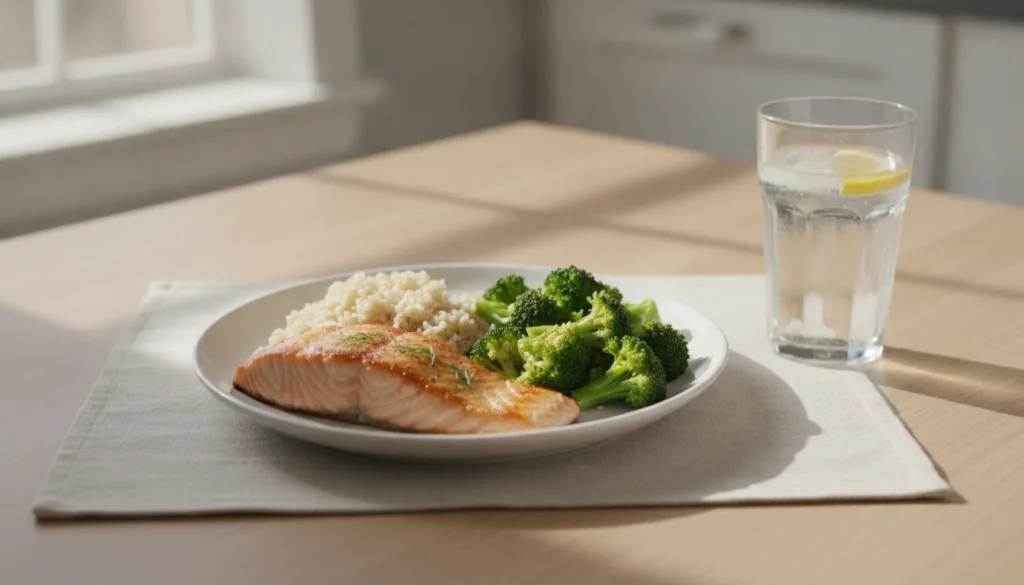
- Examples: Baked cod with quinoa and roasted asparagus; turkey chili; chicken stir-fry with plenty of vegetables.
Don’t Forget Hydration!
Water is often overlooked but plays a massive role in energy levels, metabolism, and overall health. Aim for at least 8 glasses of water throughout the day. Keep a water bottle handy and sip regularly.
Meal Prep: Your Best Friend for Consistency
Implementing a healthy eating schedule becomes infinitely easier with meal prep. Dedicate a couple of hours once or twice a week to prepare components like cooked grains, roasted vegetables, and lean proteins. This way, assembling your balanced meals and snacks takes minutes, not hours, even on your busiest days.
Listen to Your Body and Be Flexible
This blueprint is a starting point, not a rigid rulebook. Pay attention to your body’s hunger cues, energy levels, and how different foods make you feel. Some days you might need an extra snack, or your workout schedule might shift your meal timings. The goal is sustainable wellness, so adjust as needed while striving for consistency.
Adopting a healthy eating schedule is one of the most powerful steps you can take towards boosting your energy, supporting your fitness goals, and transforming your overall well-being. Start small, be consistent, and watch your body thank you!
Ready to transform your eating habits? Comment “Tips” for more healthy eating advice, recipes, and meal prep strategies!