Eggs are incredibly nutritious, but widespread myths often obscure their true health benefits. For too long, misconceptions have overshadowed what science truly reveals about this versatile and affordable superfood. It’s time to dive into the science-backed facts to empower healthier dietary choices and rediscover the full potential of eggs in your diet.
From fears about cholesterol to debates over shell color, many popular beliefs about eggs simply don’t hold up under scrutiny. In this article, we’ll debunk common egg myths and shed light on the real nutritional powerhouse that eggs are, helping you make informed decisions about your plate.
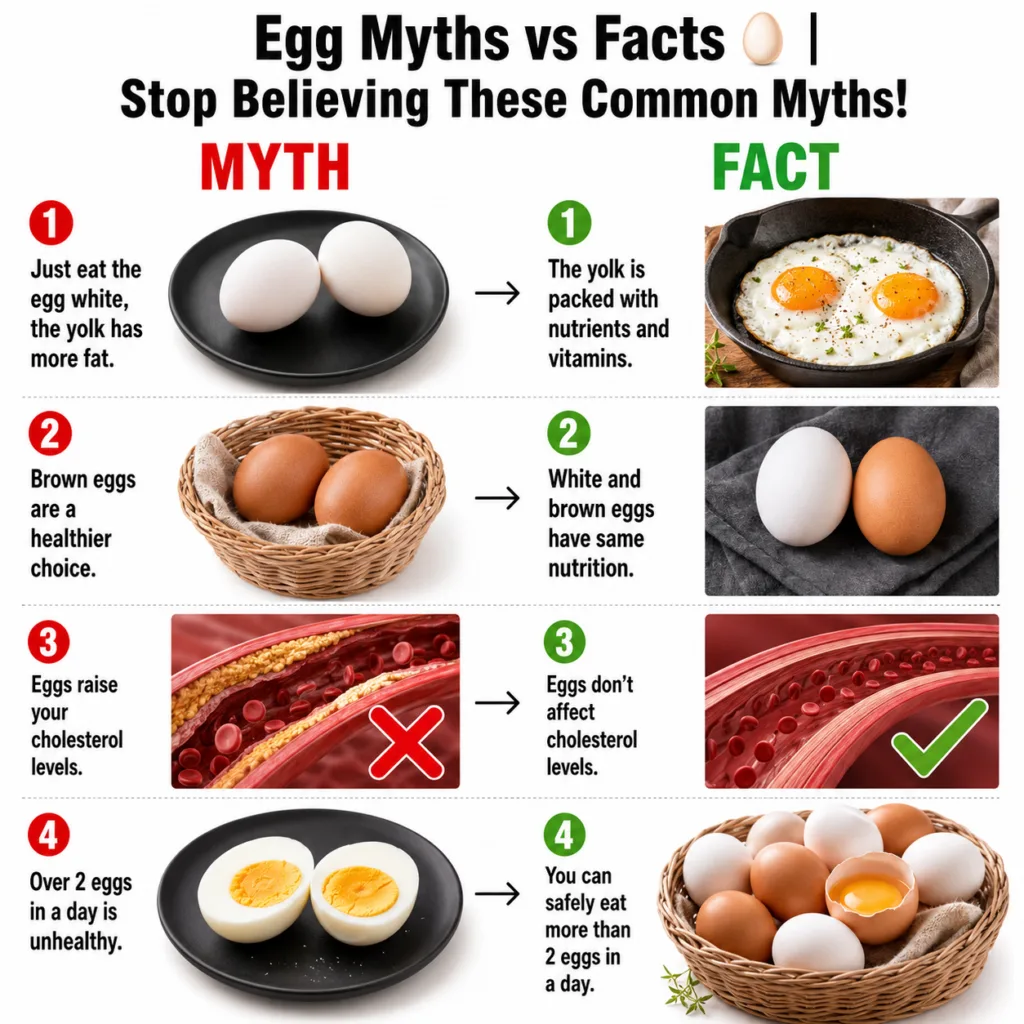
Myth 1: Eating Only Egg Whites is Healthier
For years, many health-conscious individuals have opted to discard egg yolks, believing them to be high in unhealthy fats and cholesterol, and therefore less beneficial than the pure protein found in egg whites. This common practice is based on a misunderstanding of egg nutrition.
Fact: Egg Yolks are Packed with Essential Nutrients
While egg whites are an excellent source of lean protein, egg yolks are where nearly all the essential vitamins, minerals, and healthy fats reside. Far from being a nutritional drawback, the yolk is a concentrated source of goodness:
- Vitamins: Yolks contain fat-soluble vitamins A, D, E, and K, as well as B vitamins (including B6 and B12) and folate, which are crucial for energy metabolism and overall cell health.
- Choline: A vital nutrient for brain health, nerve function, and liver health, choline is predominantly found in the yolk. It’s particularly important during pregnancy for fetal brain development.
- Selenium: An important antioxidant mineral that supports thyroid function and immune health.
- Healthy Fats: The fats in egg yolks are primarily monounsaturated and polyunsaturated fats, including beneficial omega-3 fatty acids, which are important for heart health and reducing inflammation.
- Antioxidants: Lutein and zeaxanthin, two powerful antioxidants found in egg yolks, are crucial for eye health and may help protect against age-related macular degeneration.
By skipping the yolk, you’re missing out on a significant portion of an egg’s nutritional value, essentially throwing away a natural multivitamin.
Myth 2: Brown Eggs are Healthier Than White Eggs
Walk into any grocery store, and you’ll often find brown eggs priced higher than white eggs, leading many to believe they are a more premium or nutritious choice. This perception is widespread, but it’s not supported by science.
Fact: Egg Color Depends on the Chicken’s Breed, Not Nutrition
The color of an eggshell is purely determined by the breed of the hen that lays it. For example, White Leghorn chickens typically lay white eggs, while Rhode Island Reds and Plymouth Rocks lay brown eggs. There’s no difference in the nutritional content, taste, or quality between brown and white eggs.
- No Nutritional Advantage: Both white and brown eggs provide the same amount of protein, vitamins, and minerals.
- No Taste Difference: Any perceived difference in taste is usually due to the hen’s diet and living conditions, not the shell color.
- Cost Factor: Brown eggs sometimes cost more because brown-feathered hens tend to be larger and require more feed, making their eggs more expensive to produce.
So, when you’re choosing eggs, feel free to pick based on personal preference or price, knowing that color is just skin deep.
Myth 3: Eggs Raise Bad Cholesterol
One of the most persistent and damaging myths about eggs is their supposed link to high cholesterol and an increased risk of heart disease. This belief stems from outdated dietary guidelines that advised limiting dietary cholesterol.
Fact: Dietary Cholesterol Has Little Effect on Blood Cholesterol for Most People
For the vast majority of healthy individuals, consuming dietary cholesterol (like that found in eggs) has a negligible impact on blood cholesterol levels. Here’s why:
- Liver Regulation: Your liver produces cholesterol, and when you eat more dietary cholesterol, your liver simply produces less. This intricate feedback loop keeps blood cholesterol levels relatively stable for most people.
- HDL (Good) Cholesterol: Eggs have been shown to increase high-density lipoprotein (HDL) cholesterol, often referred to as