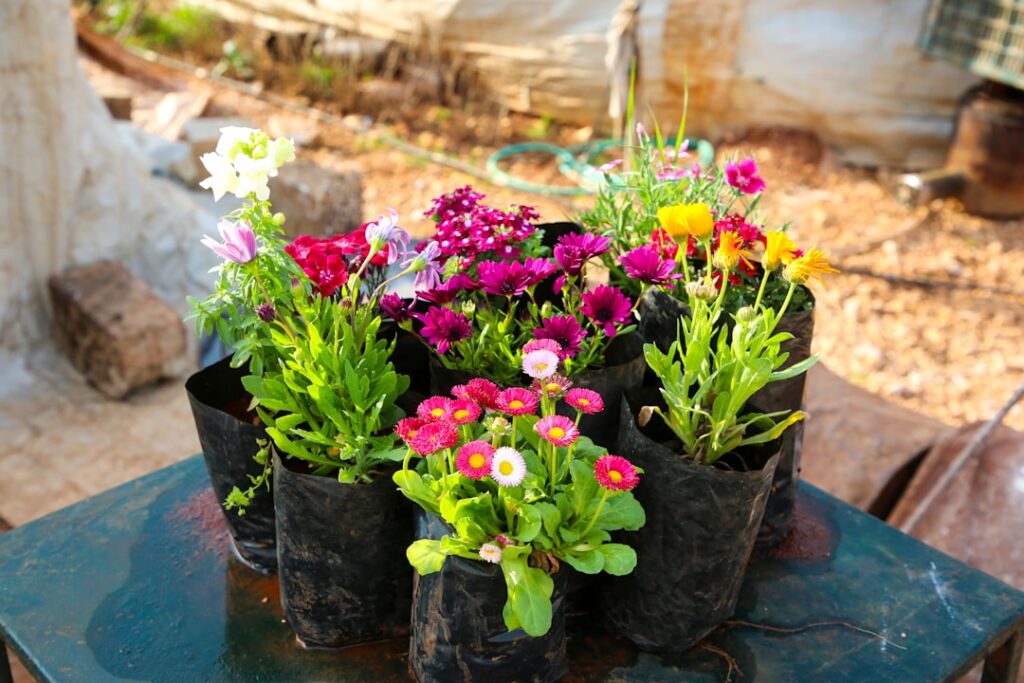
Are you looking to take your garden to the next level? Whether you’re a seasoned green thumb or just starting out, companion planting offers a simple yet powerful way to boost the health and yield of your plants, especially when gardening in grow bags. Imagine a thriving ecosystem right on your patio or balcony, where plants work together to deter pests, attract beneficial insects, and even improve soil nutrients. That’s the magic of companion planting!
At Garden – L. Quyên, we believe gardening should be easy, rewarding, and fun. Let’s dive into how you can harness the power of nature to create a harmonious and productive garden with companion planting in grow bags.
What is Companion Planting?
Companion planting is an age-old gardening technique where different plants are grown close to each other for mutual benefit. These benefits can include pest deterrence, attraction of pollinators or beneficial insects, improved nutrient uptake, enhanced growth, and even better flavor. It’s like a natural partnership program for your garden!
Why Companion Plant in Grow Bags?
Grow bags are fantastic for urban gardeners, those with limited space, or anyone looking for a flexible gardening solution. Companion planting in grow bags brings several unique advantages:
- Space Efficiency: Maximizes limited space by pairing plants with different growth habits (e.g., shallow-rooted next to deep-rooted).
- Pest Control: Confined spaces in grow bags can sometimes attract more specific pests. Companion plants can act as a natural barrier or repellent.
- Nutrient Sharing: Some plants can fix nitrogen or help make other nutrients more available to their neighbors.
- Improved Soil Health: While not a ‘soil’ in the traditional sense, a healthy mix of plants can contribute to a more balanced medium in your grow bag.
- Visual Appeal: Create beautiful, diverse, and productive mini-gardens.
Best Vegetable Pairings for Companion Planting in Grow Bags
Choosing the right partners is key! Here are some tried-and-true combinations that work wonderfully in grow bags:
1. Tomatoes and Basil
This classic culinary duo is also a garden power couple. Basil is believed to improve the flavor of tomatoes and repel common tomato pests like tomato hornworms and whiteflies. Plant one basil plant per tomato plant in a large grow bag.
2. Carrots and Rosemary or Lettuce
Rosemary can deter the carrot rust fly, a common pest for root vegetables. Alternatively, planting lettuce around carrots can help shade the soil, keeping it cool and moist, which carrots love. Make sure your grow bag is deep enough for carrots to grow properly.
3. Cucumbers and Nasturtiums or Radishes
Nasturtiums are excellent trap crops, luring aphids away from your cucumbers. They also attract beneficial insects. Radishes, when planted near cucumbers, can help break up the soil as they grow, making it easier for cucumber roots to expand. Just ensure the grow bag is wide enough for cucumber vines to spread or trail.
4. Beans and Corn (Adapted for Grow Bags)
While the traditional ‘Three Sisters’ (corn, beans, squash) requires a lot of space, you can adapt the corn-bean partnership for large grow bags. Corn provides a natural trellis for climbing beans, and beans, being legumes, fix nitrogen in the soil, benefiting the hungry corn. Use a very large grow bag and dwarf varieties if possible.

5. Peppers and Carrots or Onions
Carrots and onions have a more subtle benefit when planted with peppers. Onions can help deter some pests, and shallow-rooted carrots won’t compete excessively for nutrients with peppers. Ensure the grow bag is large enough to accommodate the root systems of all plants.
6. Lettuce and Mint (in separate pots nearby)
Mint, while a great pest deterrent, can be very invasive. The trick is to plant mint in its own separate, smaller grow bag and place it near your lettuce and other greens. Its strong scent can help repel slugs and other pests from your delicate greens.
Tips for Successful Companion Planting in Grow Bags
- Choose the Right Size Grow Bag: Ensure the bag is large enough to accommodate all plants at maturity, considering their root systems.
- Understand Plant Needs: Pair plants with similar water, sunlight, and nutrient requirements to avoid stress.
- Quality Potting Mix: Start with a good quality, well-draining potting mix.
- Consistent Watering: Grow bags can dry out faster than in-ground gardens, so monitor moisture levels regularly.
- Observe and Adjust: Pay attention to how your plants are growing. If a pairing isn’t working, don’t be afraid to experiment!
- Rotate Crops: Even in grow bags, rotating your plant pairings each season can help prevent nutrient depletion and pest build-up.
Plants to Avoid Planting Together
Not all plants are friends! Some combinations can hinder growth or attract unwanted pests. For example, avoid planting fennel near most vegetables, as it can inhibit growth. Keep brassicas (cabbage, broccoli) away from strawberries, and avoid planting beans near onions or garlic, as the alliums can stunt bean growth.
Start Your Companion Planting Journey Today!
Companion planting in grow bags is a rewarding way to enhance your garden’s health, productivity, and beauty. It’s a testament to the incredible natural partnerships that exist in the plant world. So grab some grow bags, pick your favorite plant pairings, and watch your garden flourish!
Do you have a favorite companion planting combination that works wonders in your garden? Share your tips and experiences in the comments below!