Your Perfect Healthy Start: The Power of a Balanced Breakfast Bowl
Are you looking for a breakfast that not only tastes delicious but also truly fuels your day? The first meal sets the tone for your energy levels, mood, and focus. Skipping breakfast or opting for highly processed choices can leave you feeling sluggish and craving unhealthy snacks later. That’s why a balanced breakfast, rich in essential nutrients, is key to unlocking a productive and vibrant morning.
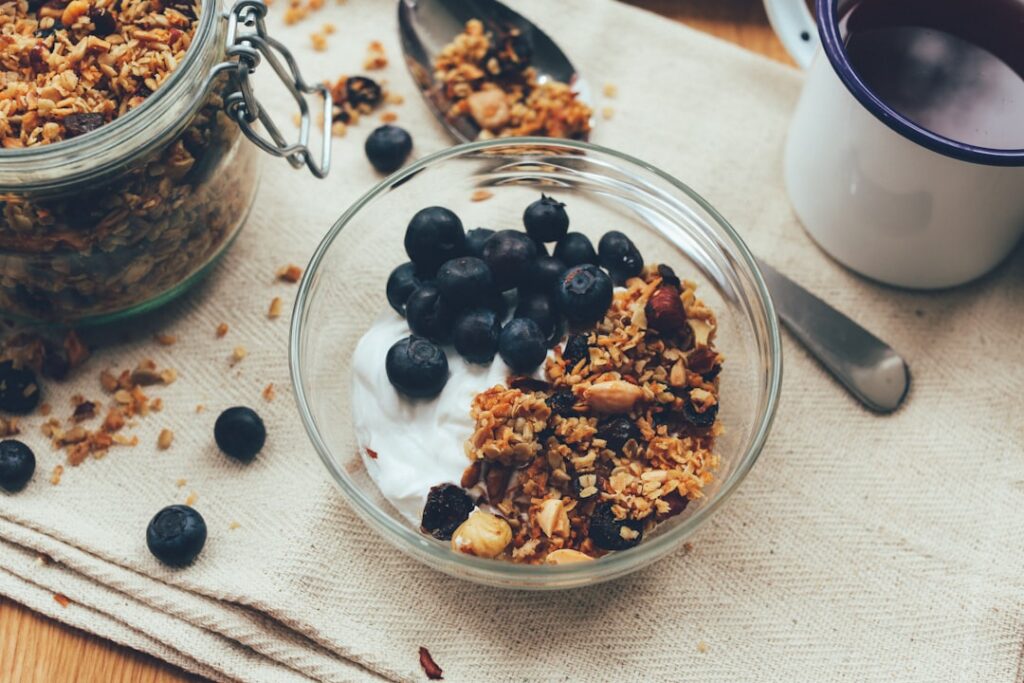
Today, we’re diving into the simple yet powerful concept of a healthy breakfast bowl – specifically, a creamy yogurt base, crunchy granola, and a medley of fresh fruits. This combination is not just a treat for your taste buds; it’s a powerhouse of protein, fiber, vitamins, and antioxidants designed to kickstart your day the right way.
Why a Balanced Breakfast Matters
A well-rounded breakfast offers numerous benefits that extend far beyond simply satisfying hunger. It can significantly impact your physical and mental well-being throughout the day:
- Sustained Energy: A good breakfast provides your body with the necessary glucose to kickstart your metabolism and maintain steady blood sugar levels, preventing mid-morning energy crashes.
- Improved Focus and Mood: Fueling your brain with essential nutrients can enhance cognitive function, concentration, and even boost your mood.
- Better Weight Management: Eating a balanced breakfast may help reduce overall daily calorie intake and prevent overeating later in the day, as it promotes feelings of fullness and satisfaction.
- Nutrient Intake: It’s an excellent opportunity to incorporate vital vitamins, minerals, and fiber into your diet early on.
The Superstar Ingredients in Your Bowl
Let’s break down the nutritional magic behind each component of our perfect healthy start bowl:
Creamy Yogurt: Protein & Probiotics Powerhouse
Yogurt is an incredible base for any breakfast bowl. It’s not only versatile and delicious but also packed with health benefits:
- Protein: Especially Greek yogurt, is rich in protein, which is essential for muscle repair, growth, and keeping you feeling full and satisfied for longer. This helps prevent those nagging hunger pangs before lunch.
- Probiotics: Many yogurts contain live and active cultures, which are beneficial bacteria known as probiotics. These probiotics may help support a healthy gut microbiome, which is crucial for digestion, nutrient absorption, and potentially even immune function.
- Calcium: Yogurt is also a good source of calcium, vital for strong bones and teeth.
Tip: Choose plain, unsweetened yogurt to avoid added sugars and control the sweetness with natural fruits or a drizzle of honey.
Crunchy Granola: Fiber & Sustained Energy
Granola adds a delightful crunch and a host of valuable nutrients:
- Fiber: Whole-grain oats, a primary ingredient in most granolas, are an excellent source of dietary fiber. Fiber is crucial for digestive health, helps regulate blood sugar levels, and contributes to feelings of satiety.
- Healthy Fats: Depending on the variety, granola often contains nuts and seeds, providing healthy fats, which are important for brain health and overall well-being.
- Sustained Energy: The complex carbohydrates in oats provide a steady release of energy, keeping you energized without a sudden spike and crash.
Tip: Look for granolas with minimal added sugar and whole-food ingredients. You can even make your own at home to control the ingredients!
Fresh Fruits: Vitamins, Antioxidants & Natural Sweetness
Fruits are nature’s candy, offering natural sweetness along with a bounty of health benefits:
- Vitamins and Minerals: Each fruit brings its unique profile of vitamins (like Vitamin C in berries, potassium in bananas) and minerals essential for various bodily functions.
- Antioxidants: Berries, in particular, are rich in antioxidants, which help protect your cells from damage caused by free radicals, supporting overall health and potentially reducing inflammation.
- Fiber: Fruits contribute additional dietary fiber, further aiding digestion and satiety.
Tip: Incorporate a variety of seasonal fruits for a broader spectrum of nutrients and flavors. Berries, sliced bananas, kiwi, mango, and apple slices are all excellent choices.
Crafting Your Own Perfect Healthy Start Bowl
Building your ideal breakfast bowl is simple and highly customizable:
- Choose Your Yogurt: Start with a generous serving of plain Greek yogurt or your favorite dairy-free alternative.
- Add Your Granola: Sprinkle about 1/4 to 1/2 cup of wholesome granola for that satisfying crunch and fiber boost.
- Load Up on Fruit: Top with a colorful array of fresh fruits. Aim for at least 1/2 to 1 cup.
- Optional Boosters: For extra nutrition, consider adding a tablespoon of chia seeds or flax seeds, a handful of nuts, or a dash of cinnamon.
This simple combination offers a complete meal with protein, complex carbohydrates, healthy fats, and a wealth of micronutrients – everything you need for a truly perfect healthy start!
Beyond the Bowl: Other Healthy Breakfast Ideas
While the yogurt bowl is a fantastic option, variety is the spice of life! Explore other nutritious breakfast ideas such as:
- Whole-grain toast with avocado and a poached egg.
- Oatmeal topped with nuts and fruit.
- Smoothies packed with spinach, fruit, and protein powder.
- Scrambled eggs with vegetables.
The key is to prioritize whole, unprocessed foods that provide sustained energy and essential nutrients.
Embrace Your Healthy Start
Making a conscious effort to nourish your body with a balanced breakfast is one of the easiest and most impactful steps you can take for your overall wellness. This simple bowl of creamy yogurt, crunchy granola, and fresh fruits is more than just a meal; it’s an investment in your energy, focus, and health for the entire day. Experiment with different combinations and discover your favorite way to enjoy a perfect healthy start!
What’s your favorite breakfast combo? We’d love to hear your ideas!
Disclaimer: This article is for informational purposes only and is not intended to be a substitute for professional medical advice, diagnosis, or treatment. Always seek the advice of your physician or other qualified health provider with any questions you may have regarding a medical condition.