Are your houseplants looking a little lackluster? Do you dream of lush, vibrant greenery but struggle with finding the right nutrients? What if we told you the secret to healthier, happier plants might be lurking right in your kitchen waste bin? Get ready to unleash the power of your kitchen scraps and give your beloved plants a natural, eco-friendly boost!
Today, we’re diving into the wonderful world of banana peel water – a simple, sustainable, and incredibly effective DIY fertilizer that will have your houseplants thriving. Say goodbye to synthetic chemicals and hello to a greener, more bountiful home harvest!
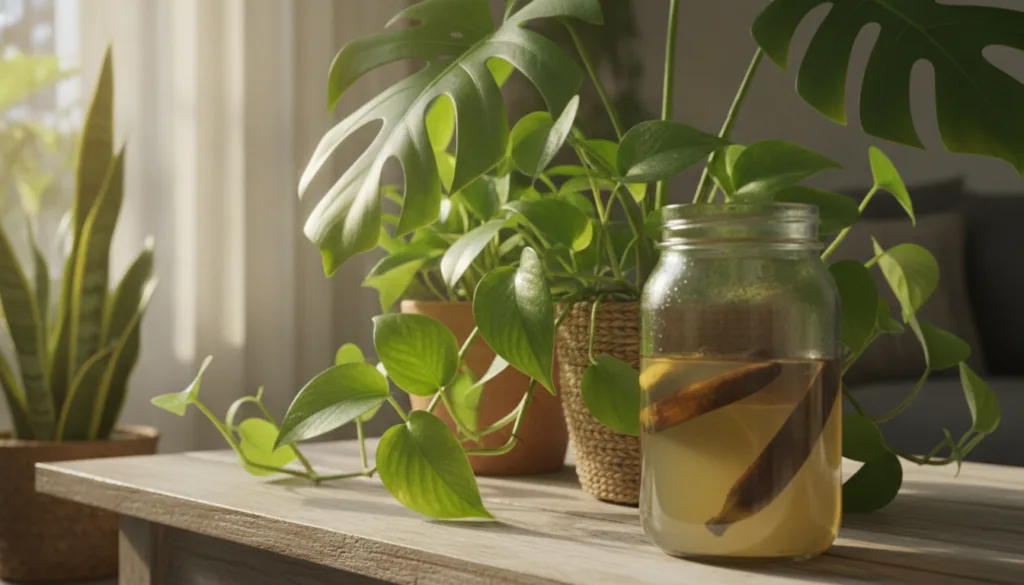
Why Banana Peels are a Plant’s Best Friend
You might be surprised to learn just how beneficial banana peels are for your plants. While we enjoy the fruit, the peel itself is packed with essential nutrients that many plants crave.
The Nutrient Powerhouse
- Potassium (K): This is the star nutrient in banana peels! Potassium is vital for overall plant health, promoting strong root development, disease resistance, and vibrant flowering. It helps plants regulate water uptake and nutrient transport.
- Phosphorus (P): Essential for flowering, fruiting, and seed development. It also plays a crucial role in energy transfer within the plant.
- Calcium (Ca): Helps build strong cell walls, making plants more resilient to pests and diseases. It also aids in nutrient absorption.
- Magnesium (Mg): A key component of chlorophyll, magnesium is critical for photosynthesis, helping your plants convert sunlight into energy.
- Trace Minerals: Banana peels also contain smaller amounts of other beneficial micronutrients like manganese and sulfur.
Eco-Friendly Benefits
Using banana peels as fertilizer isn’t just good for your plants; it’s fantastic for the environment too! You’re reducing food waste, minimizing your reliance on manufactured fertilizers, and embracing a truly sustainable gardening practice. It’s a win-win for your home and the planet!
Your Simple Guide to Making Banana Peel Water
Making banana peel water is incredibly easy and requires minimal effort. Here’s how you can do it:
What You’ll Need
- 2-3 ripe banana peels (the riper, the better!)
- A clean glass jar or container (at least 1-liter capacity)
- About 1 liter of fresh, dechlorinated water (tap water left out for 24 hours works, or use filtered water)
- A lid or cover for your jar
Step-by-Step Instructions
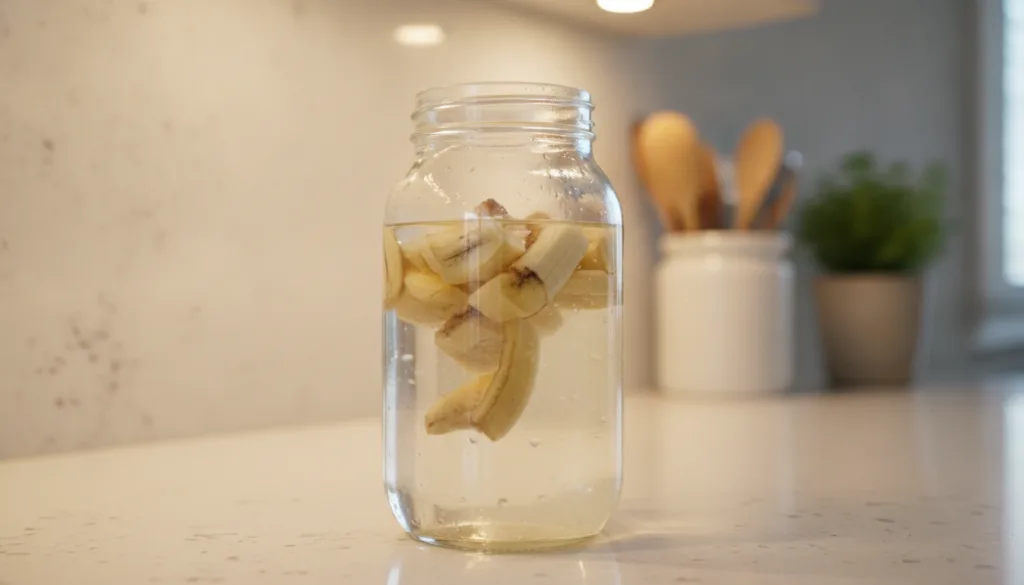
- Chop the Peels: Cut your banana peels into small pieces, about 1-2 inches long. This increases the surface area, allowing more nutrients to leach into the water.
- Place in Jar: Put the chopped banana peels into your clean glass jar.
- Add Water: Pour the 1 liter of water over the banana peels, ensuring they are fully submerged.
- Cover and Steep: Place a lid loosely on the jar. You don’t want it airtight as some fermentation might occur. Let it steep for 24-48 hours at room temperature. For a more potent solution, you can let it steep for up to a week, but be aware of the smell!
- Strain the Liquid: After steeping, strain the liquid into another clean container, discarding the banana peel pieces (you can add them to your compost pile!).
How to Use and Maximize Your Banana Peel Elixir
Now that you have your homemade banana peel water, let’s talk about how to use it effectively for maximum plant happiness.
Application Tips for Various Plants
- Houseplants: Dilute your banana peel water with an equal amount of plain water (1:1 ratio). Use this diluted solution to water your houseplants once every 2-4 weeks during their growing season (spring and summer). Avoid overwatering.
- Outdoor Plants: For outdoor plants, you can use the solution undiluted, applying it directly to the soil around the base of your plants. It’s excellent for flowering plants, vegetables (especially tomatoes and peppers), and roses.
- Seedlings: A very diluted solution (1 part banana water to 4 parts plain water) can give young seedlings a gentle nutrient boost.
Always water your plants thoroughly with regular water before applying any fertilizer to avoid root burn, especially with new or sensitive plants. Observe your plants for any signs of improvement or stress.
Storage and Longevity
Your banana peel water is best used fresh. If you have leftovers, you can store it in a sealed container in the refrigerator for up to one week. Beyond that, it might start to ferment and develop an unpleasant smell, or lose its potency.
Extend Your Eco-Gardening: Other Kitchen Scraps to Consider
The journey to plant power doesn’t stop at banana peels! Many other kitchen scraps can be repurposed to enrich your garden:
- Coffee Grounds: Excellent for acid-loving plants like roses, blueberries, and azaleas. They add nitrogen and improve soil structure.
- Eggshells: Crushed eggshells provide calcium, which is great for preventing blossom end rot in tomatoes and peppers.
- Vegetable Scraps: A blend of various vegetable scraps can be composted to create nutrient-rich soil amendments.
- Used Tea Leaves: Add nitrogen and trace minerals, and can help deter pests.
Ready to Give Your Plants the Best?
Transforming your kitchen scraps into plant power is an incredibly rewarding and sustainable way to garden. Not only will your plants flourish with newfound vitality, but you’ll also feel great about reducing waste and nurturing your green space naturally.
So, the next time you finish a banana, think twice before tossing that peel! Your plants will thank you for it. What’s your favorite DIY plant hack? Share your tips in the comments below!