Did you know that the vibrant hues in certain foods can hold the key to a healthier, sharper mind? When it comes to supporting your brain, the color purple isn’t just aesthetically pleasing; it’s a powerful indicator of beneficial compounds that can significantly impact your cognitive health. Integrating purple foods into your diet is a simple yet effective strategy to boost your brainpower and maintain mental vitality.
This comprehensive guide dives into the world of purple superfoods, revealing how these colorful additions may help improve focus, enhance memory, protect delicate brain cells, and sustain your mental energy throughout the day. Discover the science behind their potency and learn how to easily incorporate these nutritional powerhouses into your daily meals for a truly brain-friendly diet.
Let’s explore the incredible benefits and the array of delicious purple foods that can elevate your brain health.
The Science Behind Purple Power: How These Foods Benefit Your Brain
The distinctive purple, blue, and red pigments found in many fruits and vegetables are largely due to a group of antioxidants called anthocyanins. These powerful plant compounds are what give purple foods their incredible brain-boosting properties. Here’s how incorporating them into your diet can support your cognitive function:
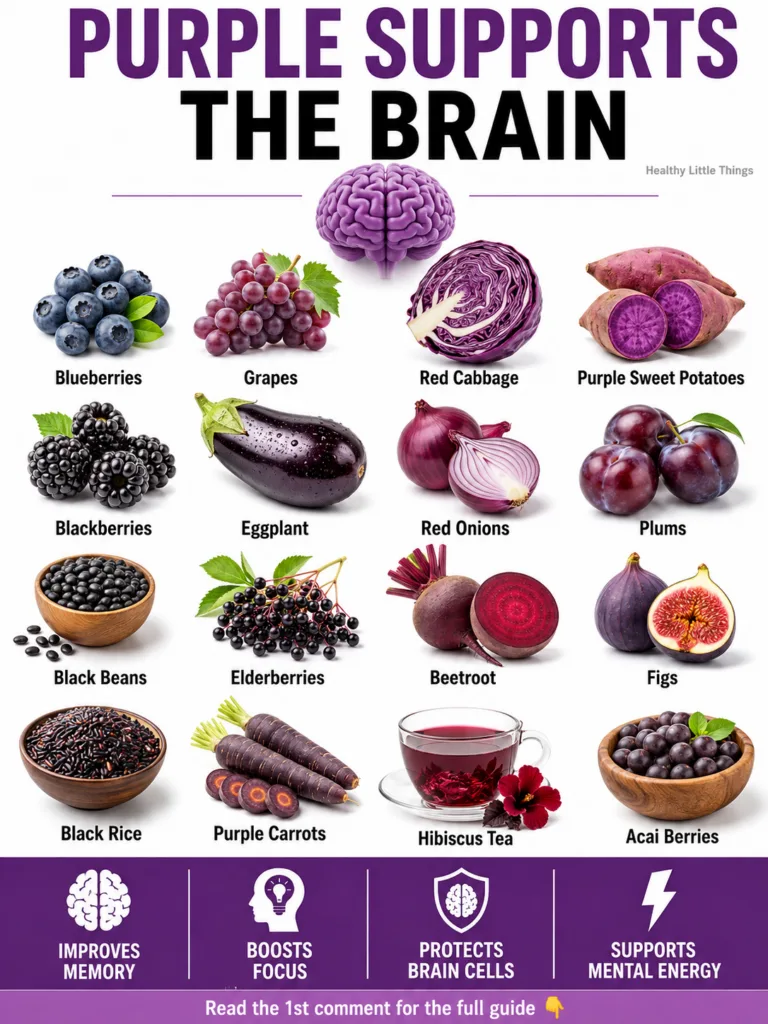
Improves Memory
Anthocyanins are thought to enhance communication between brain cells, potentially leading to better memory retention and recall. Regular consumption of foods rich in these compounds may help protect against age-related cognitive decline and support overall memory function.
Boosts Focus
By promoting healthy blood flow to the brain, purple foods can help deliver essential oxygen and nutrients, which are crucial for maintaining concentration and focus. This improved circulation can contribute to sharper attention and better cognitive performance throughout your day.
Protects Brain Cells
The antioxidant properties of purple foods are vital for neutralizing free radicals, unstable molecules that can cause oxidative stress and damage brain cells. By protecting these cells, anthocyanins may help reduce the risk of neurodegenerative diseases and support long-term brain health.
Supports Mental Energy
Beyond protection, these foods contribute to sustained mental energy. By improving cellular function and reducing inflammation, they create a more optimal environment for your brain to perform its best, helping you feel more alert and less fatigued mentally.
Your Plate in Purple: 16 Brain-Boosting Foods to Enjoy
Here’s a closer look at some of the most beneficial purple foods you can add to your diet to harness their brain-supporting power:
-
Blueberries: Often called a ‘superfood’ for a reason, blueberries are packed with anthocyanins that are linked to improved memory and cognitive function, especially as we age.
-
Grapes: Especially red and purple varieties, contain resveratrol, an antioxidant that may help improve blood flow to the brain and protect against oxidative stress.
-
Red Cabbage: A cruciferous vegetable rich in anthocyanins and Vitamin K, which is important for maintaining healthy brain function and memory.
-
Eggplant: Contains nasunin, a potent antioxidant found in its purple skin that may help protect brain cell membranes from damage.
-
Black Rice: Also known as forbidden rice, it’s rich in anthocyanins, contributing to its deep color and potential to support memory and reduce inflammation.
-
Hibiscus Tea: Brewed from the vibrant hibiscus flower, this tea is loaded with antioxidants that may help protect brain cells and support overall cognitive health.
-
Purple Carrots: These ancient carrot varieties boast higher levels of anthocyanins compared to their orange counterparts, offering enhanced antioxidant benefits for the brain and eyes.
-
Purple Cauliflower: Another colorful cruciferous vegetable that contains anthocyanins, alongside a good dose of Vitamin C and K, crucial for brain health.
-
Purple Sweet Potatoes: Rich in anthocyanins and other antioxidants, they may help improve cognitive performance and reduce inflammation in the brain.
-
Blackberries: These berries are high in anthocyanins and other flavonoids that are associated with improving motor skills and cognitive performance.
-
Açaí: Açaí berries are celebrated for their exceptionally high antioxidant content, which may protect brain cells from damage and support mental clarity.
-
Plums: These sweet fruits offer a good source of antioxidants and can contribute to overall brain health by combating oxidative stress and inflammation.
-
Figs: Rich in essential minerals like potassium and manganese, figs can support nerve function and overall brain health.
-
Black Currants: Bursting with Vitamin C and anthocyanins, black currants are known for their strong antioxidant properties that may benefit cognitive function.
-
Purple Asparagus: This less common variety provides a healthy dose of anthocyanins, alongside folate, which is essential for neurological function.
-
Beetroot: Contains nitrates that convert to nitric oxide in the body, which can help improve blood flow to the brain, supporting focus and cognitive performance.
Incorporating More Purple into Your Diet
Adding these vibrant foods to your meals can be both delicious and simple. Here are some practical tips to boost your intake:
- Start Your Day Bright: Add blueberries, blackberries, or açaí to your morning smoothies, oatmeal, or yogurt for a delicious and brain-boosting breakfast. Consider using some of the best protein powder for an extra boost.
- Colorful Salads: Incorporate shredded red cabbage, sliced purple carrots, or roasted beetroot into your salads for added crunch, color, and nutrients.
- Snack Smart: Enjoy a handful of grapes or plums as a quick, healthy snack that contributes to your brain’s well-being.
- Vibrant Sides: Serve roasted purple sweet potatoes, purple cauliflower, or grilled eggplant as flavorful and nutritious side dishes with your main meals.
- Hydration with a Twist: Sip on hibiscus tea throughout the day for a refreshing, antioxidant-rich beverage.
- Meal Prep for Success: Plan your meals to include a variety of purple vegetables and fruits to ensure consistent intake. Look for healthy meal prep ideas that feature these ingredients.
Frequently Asked Questions About Purple Foods and Brain Health
What makes purple foods so good for the brain?
The primary reason lies in their high concentration of anthocyanins, powerful antioxidants that give these foods their purple hue. Anthocyanins help protect brain cells from damage, improve blood flow, and support neuronal communication, all of which contribute to better cognitive function.
Can eating purple foods really improve memory?
While purple foods are not a magic cure, studies suggest that the anthocyanins found in them may help improve certain aspects of memory, particularly verbal learning and memory performance. Consistent intake as part of a balanced diet is key.
Are there any downsides to eating a lot of purple foods?
For most people, incorporating a variety of purple fruits and vegetables into their diet is safe and highly beneficial. As with any food, moderation and variety are important. If you have specific dietary concerns or medical conditions, it’s always best to consult a healthcare professional.
What’s the best way to cook purple vegetables to preserve their nutrients?
Gentle cooking methods like steaming, light sautéing, or roasting can help retain the beneficial anthocyanins and other nutrients in purple vegetables. Overcooking or boiling can sometimes reduce their potency.
Final Thoughts
Embracing the rich spectrum of purple foods is a delightful way to nurture your brain and support its vital functions. From enhancing memory and boosting focus to protecting delicate brain cells and sustaining mental energy, the benefits of these colorful powerhouses are extensive. By making conscious choices to include foods like blueberries, black rice, and beetroot in your daily diet, you’re investing in your long-term cognitive well-being. So, go ahead and add a splash of purple to your plate – your brain will thank you for it!
Medical Disclaimer
The information provided in this article is for educational and informational purposes only, and does not constitute medical advice. Always consult with a qualified healthcare professional before making any decisions about your health or treatment.