Your diet plays a crucial role in your immune health, especially during flu season and other times when your body needs extra support. The foods you choose can either fortify your body’s natural defenses or potentially compromise them. Making informed dietary choices is a powerful step towards maintaining overall wellness and a robust immune system.
This guide will explore specific foods that can help boost your immunity by providing essential nutrients, as well as highlight common dietary culprits that may weaken your body’s protective mechanisms. Understanding these impacts allows you to make conscious decisions that support your health and vitality.
Immune-Boosting Foods: What to Include in Your Diet
A well-nourished body is better equipped to fight off infections and illnesses. Certain vitamins, minerals, and compounds found in everyday foods are vital for the proper functioning of your immune system. Incorporating these into your diet can significantly contribute to your immune health.
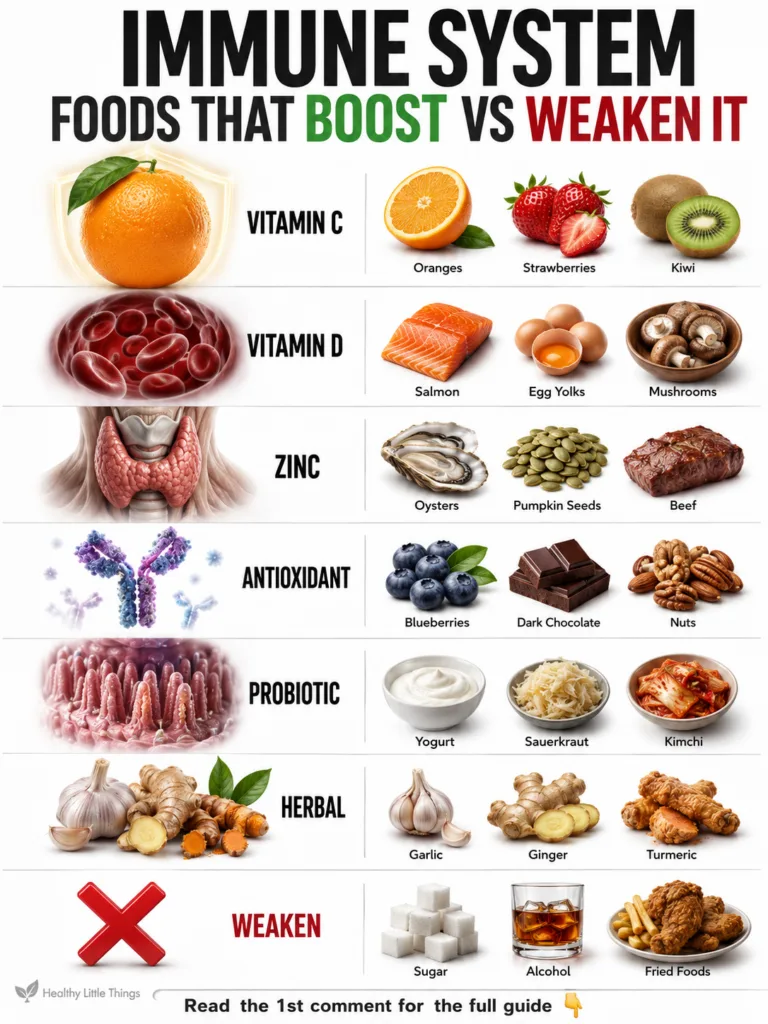
Vitamin C: Your Daily Immune Shield
Often hailed as the ultimate immune booster, Vitamin C is a powerful antioxidant that helps protect your cells from damage and supports various cellular functions of the immune system. It encourages the production of white blood cells, which are crucial for fighting infections.
- Oranges: A classic source, one medium orange provides a significant portion of your daily Vitamin C needs.
- Strawberries: These sweet berries are packed with Vitamin C and other antioxidants. Enjoy them fresh in smoothies or salads.
- Bell Peppers: Surprisingly, bell peppers (especially red and yellow ones) contain even more Vitamin C than oranges, making them an excellent addition to stir-fries, salads, or as a snack.
Vitamin D: The Sunshine Vitamin for Immunity
While often associated with bone health, Vitamin D also plays a critical role in immune function, helping to modulate both innate and adaptive immune responses. Many people are deficient in this vitamin, making dietary intake important alongside sun exposure.
- Salmon: Fatty fish like salmon are among the best natural food sources of Vitamin D.
- Mushrooms: Certain mushrooms, especially those exposed to UV light, can be a good plant-based source of Vitamin D.
- Egg Yolks: A small amount of Vitamin D can be found in egg yolks, making them a nutritious breakfast choice.
Zinc: A Key Mineral for Immune Function
Zinc is an essential mineral involved in numerous cellular processes, including immune cell development and communication. Even a mild deficiency can impair immune function, making adequate intake vital for a healthy immune system.
- Oysters: These shellfish are an incredibly rich source of zinc.
- Beef: Red meat like beef provides substantial amounts of zinc, along with other important nutrients.
- Legumes: Plant-based sources such as lentils, chickpeas, and beans also contribute to your zinc intake.
Antioxidants: Protecting Your Cells
Antioxidants are compounds that help neutralize harmful free radicals in the body, protecting cells from oxidative stress and inflammation. This protective action is crucial for maintaining healthy immune cells.
- Blueberries: These small berries are bursting with antioxidants, known for their vibrant color and health benefits.
- Dark Chocolate: In moderation, dark chocolate (with a high cocoa content) is a delicious source of antioxidants.
- Spinach: This leafy green vegetable is packed with antioxidants, vitamins, and minerals that support overall health.
Probiotics: Gut Health for Overall Immunity
Your gut is home to trillions of microorganisms, and a healthy balance of these gut bacteria is closely linked to a strong immune system. Probiotics are beneficial bacteria that can help maintain this balance, influencing immune responses throughout the body.
- Yogurt: Look for yogurts containing live and active cultures to get the most probiotic benefits.
- Kimchi: This traditional Korean fermented cabbage dish is a potent source of probiotics.
- Sauerkraut: Fermented cabbage like sauerkraut also offers beneficial probiotics, supporting a healthy gut microbiome.
Herbal Allies: Natural Immune Support
Certain herbs and spices have been traditionally used for their medicinal properties, including their ability to support immune function due to their anti-inflammatory and antimicrobial compounds.
- Ginger: Known for its distinctive flavor, ginger has anti-inflammatory and antioxidant effects.
- Garlic: This pungent allium contains compounds like allicin, which are associated with immune-boosting properties.
- Turmeric: The golden spice contains curcumin, a compound with powerful anti-inflammatory and antioxidant benefits.
Foods That May Weaken Your Immune System
Just as some foods can strengthen your immune system, others can potentially undermine it. Consuming certain types of foods in excess can lead to inflammation, disrupt gut health, and impair immune cell function, making your body more vulnerable.
Sugar: The Sweet Danger
Excessive consumption of added sugars can have a detrimental impact on immune function. High sugar intake may suppress the activity of white blood cells that fight infection and can contribute to chronic inflammation, which wears down the immune system over time.
Alcohol: More Than Just a Drink
Regular and excessive alcohol consumption can significantly impair immune responses. It can disrupt the gut barrier, leading to imbalances in gut flora, and may also reduce the body’s ability to produce white blood cells, leaving you more susceptible to infections.
Fried Foods: Inflammatory Choices
Foods that are deep-fried, especially in unhealthy oils, often contain high levels of advanced glycation end products (AGEs) and trans fats. These compounds can promote chronic inflammation throughout the body, putting stress on your immune system and potentially reducing its effectiveness.

Making Informed Choices for Optimal Immune Health
Your immune system is a complex network, and what you eat plays a fundamental role in its ability to protect you. By prioritizing whole, nutrient-dense foods and minimizing the intake of processed items, excessive sugar, alcohol, and fried foods, you can significantly support your body’s natural defenses.
Focus on a balanced diet rich in fruits, vegetables, lean proteins, and fermented foods. These choices provide the essential vitamins, minerals, antioxidants, and probiotics needed for a healthy immune system. Remember, consistency in your dietary habits is key to long-term immune support.