Understanding the intricate world of gut health can feel overwhelming, but mastering the perfect balance between prebiotics and probiotics is a powerful step towards a healthier you. Often confused, these two elements play distinct yet synergistic roles in nurturing your digestive system, immune function, and even your mood. If you’ve ever wondered about the difference between prebiotics and probiotics, and how to effectively incorporate them into your daily diet, you’re in the right place.
This ultimate guide is designed to demystify these essential components of gut wellness. We’ll explore what prebiotics and probiotics are, uncover their unique benefits, and highlight the best food sources to help you achieve optimal digestive health. Let’s dive into the fascinating world of gut flora and discover how to nourish your body from the inside out.
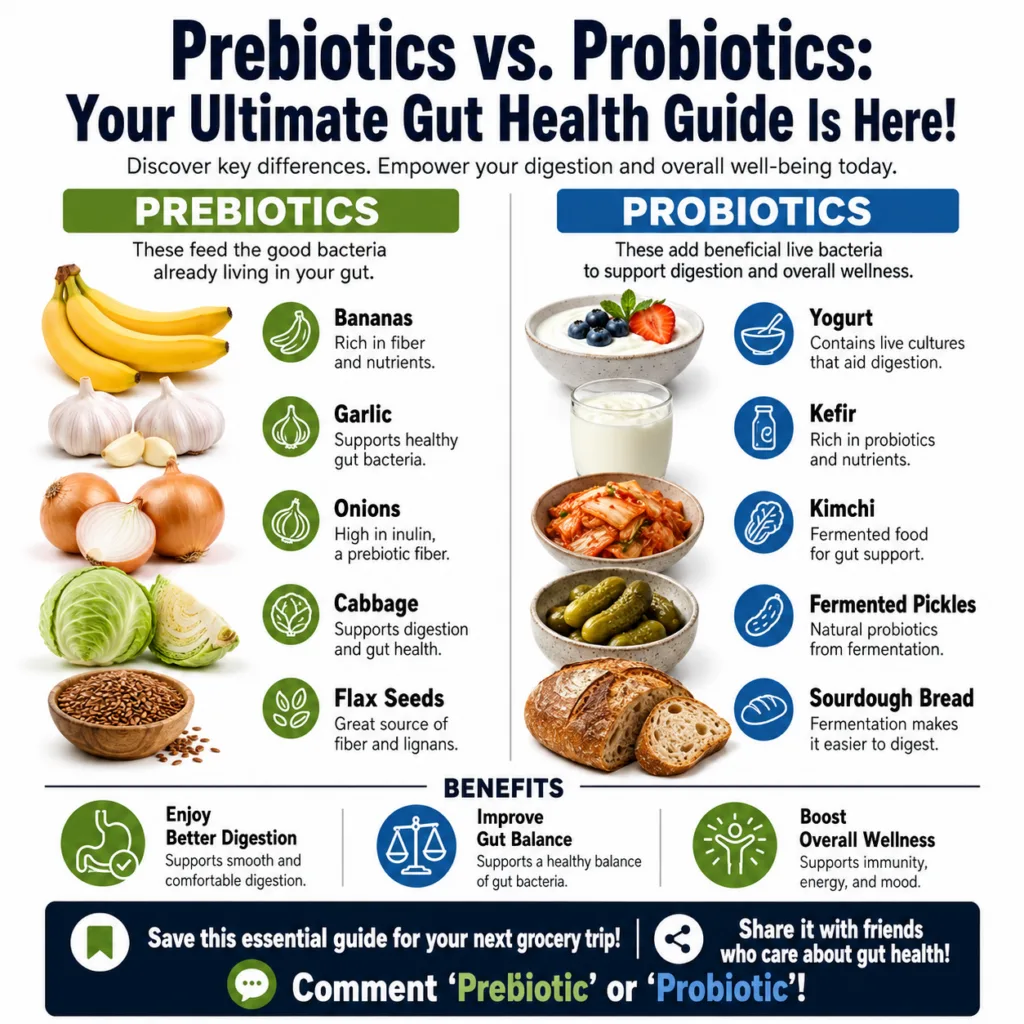
What Are Prebiotics? Fuel for Your Gut Microbes
Prebiotics are often described as the ‘food’ for your beneficial gut bacteria. They are specialized plant fibers that pass undigested through your digestive system, reaching the colon where they ferment and feed the good bacteria already residing there. Think of them as fertilizers that help your gut flora thrive, leading to a more robust and diverse microbiome.
Consuming adequate prebiotics is crucial because a healthy population of beneficial bacteria is vital for efficient digestion, nutrient absorption, and overall well-being. By fueling these good microbes, prebiotics indirectly contribute to a healthier digestive tract and stronger immunity.
Top Prebiotic-Rich Foods to Add to Your Diet
Incorporating a variety of prebiotic foods into your meals is simpler than you might think. Here are some of the best sources:
- Garlic & Onions: These kitchen staples are more than just flavor enhancers. They contain fructans and inulin, potent prebiotics that support the growth of beneficial Bifidobacteria in the gut. Enjoy them raw in salads, sautéed in dishes, or roasted for a sweeter flavor.
- Green Bananas: Unripe (green) bananas are an excellent source of resistant starch, a type of fiber that acts as a powerful prebiotic. As bananas ripen, resistant starch converts to simple sugars, so opt for greener ones to maximize prebiotic intake. Blend them into smoothies or eat them as a snack.
- Oats: A beloved breakfast cereal, oats provide beta-glucan fiber, which is known for its prebiotic effects. Start your day with a bowl of oatmeal or use oats in baking to boost your fiber and prebiotic intake. Look for whole, rolled oats for the most benefit.
- Sourdough Bread: The fermentation process used to make sourdough bread can enhance its prebiotic properties. The beneficial microbes involved in sourdough production can create prebiotics that support gut health, making it a gut-friendly alternative to conventional bread.
- Cabbage: This versatile vegetable, especially when eaten raw or lightly cooked, is packed with fiber and sulfur-containing compounds that can act as prebiotics. It’s a great addition to salads, slaws, or stir-fries.
What Are Probiotics? Live Beneficial Bacteria
Probiotics, on the other hand, are live microorganisms – beneficial bacteria and yeasts – that, when consumed in adequate amounts, confer a health benefit to the host. Essentially, you’re introducing more good guys directly into your gut microbiome. They help maintain a healthy balance of gut flora, which can be disrupted by factors like antibiotics, stress, or a poor diet.
By replenishing and diversifying your gut’s bacterial community, probiotics play a crucial role in preventing the overgrowth of harmful bacteria, aiding digestion, and bolstering your body’s natural defenses.
Excellent Sources of Probiotic-Rich Foods
Fermented foods are your best bet for natural probiotic intake. Here are some delicious options:
- Yogurt: One of the most common probiotic sources, yogurt contains live and active cultures like Lactobacillus and Bifidobacterium. Choose plain, unsweetened varieties and check the label for