In our journey toward optimal wellness, we often look to complex solutions, but sometimes the most powerful remedies are found right in nature’s pantry. The concept of vegetables as medicine isn’t new; traditional wisdom has long recognized the profound health benefits packed into everyday produce. From vibrant tomatoes to earthy beetroot, these humble ingredients offer a natural pathway to support various bodily functions and promote overall vitality.
This guide will explore how simple vegetables can naturally support different parts of your body. We’ll dive into specific examples, highlighting the powerful connections between common produce and your wellness, turning your grocery cart into a natural repair kit for your health.
Understanding Vegetables as Medicine: Nature’s Pharmacy
Many common vegetables are rich in vitamins, minerals, antioxidants, and unique compounds that work synergistically to protect and nourish our bodies. Far beyond basic nutrition, these plant-based powerhouses can play a significant role in maintaining health and preventing imbalances. Think of them as nature’s own gentle healers, each with a specific affinity for different systems within your body.
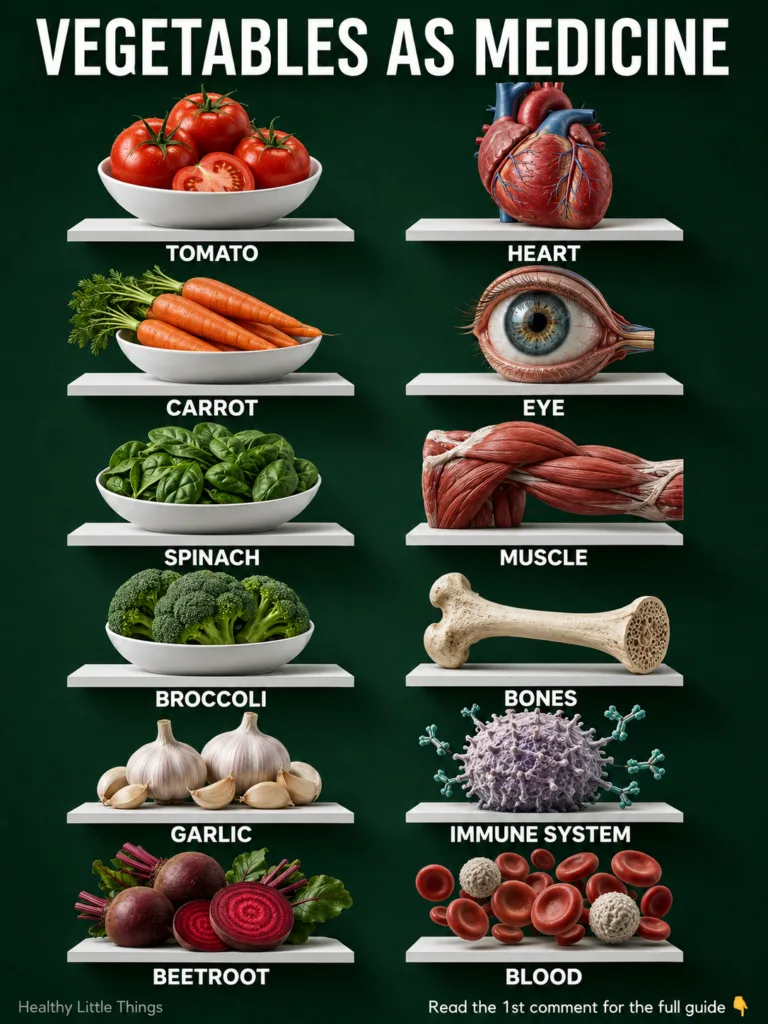
A Closer Look at Nature’s Wellness Kit
Let’s explore some specific vegetables and the incredible ways they can support your well-being, transforming the idea of vegetables as medicine into a tangible reality.
Tomato: Supporting Your Heart Health
These juicy red fruits, often treated as vegetables in cooking, are celebrated for their heart-protective properties. Tomatoes are a fantastic source of lycopene, a powerful antioxidant responsible for their vibrant color. Lycopene has been extensively studied for its ability to help protect against oxidative damage, which is a key factor in heart health. Additionally, tomatoes provide potassium, an essential mineral that helps manage blood pressure levels, further contributing to a healthy cardiovascular system.
Carrot: Nourishing Your Eyes
Carrots are perhaps best known for their benefits to eye health, a reputation well-deserved. They are loaded with beta-carotene, a precursor to Vitamin A. Vitamin A is crucial for good vision, especially in low light conditions, and plays a vital role in maintaining the health of the retina and cornea. Regular consumption of carrots can help protect your eyes from age-related macular degeneration and cataracts, making them a cornerstone of eye care.
Spinach: Fueling Muscle Strength and Function
Spinach, a leafy green powerhouse, is packed with nutrients that support muscle health and overall physical performance. It’s an excellent source of iron, which is essential for oxygen transport in the blood to muscles, helping to prevent fatigue. Spinach also contains nitrates, which can enhance muscle efficiency and strength, and magnesium, vital for muscle contraction and relaxation. Including spinach in your diet can contribute to stronger, more resilient muscles.
Broccoli: Building Strong Bones
This cruciferous vegetable is a fantastic ally for skeletal health. Broccoli is rich in Vitamin K, a critical nutrient involved in bone metabolism and calcium regulation. It also provides a significant amount of calcium, the primary mineral component of bones, as well as phosphorus and magnesium, all of which are essential for maintaining bone density and strength. Regular intake of broccoli can help support strong bones throughout life.
Garlic: Boosting Your Immune System
Garlic has been revered for centuries for its medicinal properties, particularly its ability to bolster the immune system. Its potent effects come primarily from allicin, a sulfur-containing compound released when garlic is crushed or chopped. Allicin has antimicrobial, antiviral, and antifungal properties, which can help your body fight off infections. Incorporating garlic into your meals, especially during cold and flu season, can be a simple yet effective way to support your natural defenses.
Beetroot: Enhancing Blood Health
The vibrant color of beetroot hints at its powerful benefits for blood health. Beets are rich in nitrates, which the body converts into nitric oxide. Nitric oxide helps to relax and widen blood vessels, improving blood flow and potentially lowering blood pressure. They also contain iron, a crucial component of hemoglobin, which carries oxygen in the blood, making beetroot beneficial for preventing iron-deficiency anemia and supporting overall circulatory health.
Incorporating These Powerhouse Vegetables Into Your Diet
Making vegetables a central part of your diet is easier than you think. Here are some simple ways to enjoy these beneficial foods:
- Smoothies: Add a handful of spinach or beetroot to your morning smoothie for a nutrient boost.
- Salads: Incorporate sliced tomatoes, grated carrots, and fresh spinach into your daily salads.
- Roasted Vegetables: Roasting broccoli, carrots, and beetroot brings out their natural sweetness and makes for a delicious side dish.
- Soups and Stews: Include garlic, spinach, and tomatoes in your favorite hearty soups for added flavor and nutrition.
- Snacks: Carrot sticks with hummus make a refreshing and healthy snack.

Frequently Asked Questions About Vegetables and Wellness
Can vegetables really act as “medicine”?
While vegetables are not a substitute for prescribed medication or medical treatment, they contain potent compounds that can significantly support the body’s natural healing processes, strengthen immunity, and help prevent chronic diseases. They work by providing essential nutrients, antioxidants, and anti-inflammatory properties that optimize bodily functions.
How much of these vegetables should I eat?
General dietary guidelines recommend consuming a variety of vegetables daily, typically 2-3 cups per day, depending on age, sex, and activity level. Focusing on a diverse range of colorful vegetables ensures a broad spectrum of nutrients. Always consult with a healthcare professional or registered dietitian for personalized dietary advice.
Final Thoughts
Embracing the concept of vegetables as medicine allows us to harness the incredible power of nature for our health. By consciously including a variety of nutrient-dense vegetables like tomatoes, carrots, spinach, broccoli, garlic, and beetroot in our daily diet, we can support our heart, eyes, muscles, bones, immune system, and blood health. These foods are not just sustenance; they are essential building blocks for a vibrant and healthy life.
Medical Disclaimer
This article is intended for informational purposes only and does not constitute medical advice. Always consult with a qualified healthcare professional before making any changes to your diet, especially if you have existing health conditions or are taking medication.