Eggs are a staple in many kitchens worldwide, cherished for their versatility and nutritional value. As you crack open an egg, have you ever paused to consider the color of its yolk? From pale yellow to deep golden orange, egg yolks display a spectrum of hues, often sparking curiosity about what these differences might signify. Many people associate a darker, more vibrant yolk with superior nutrition or a healthier hen. But is this truly the case?
What Determines Egg Yolk Color?
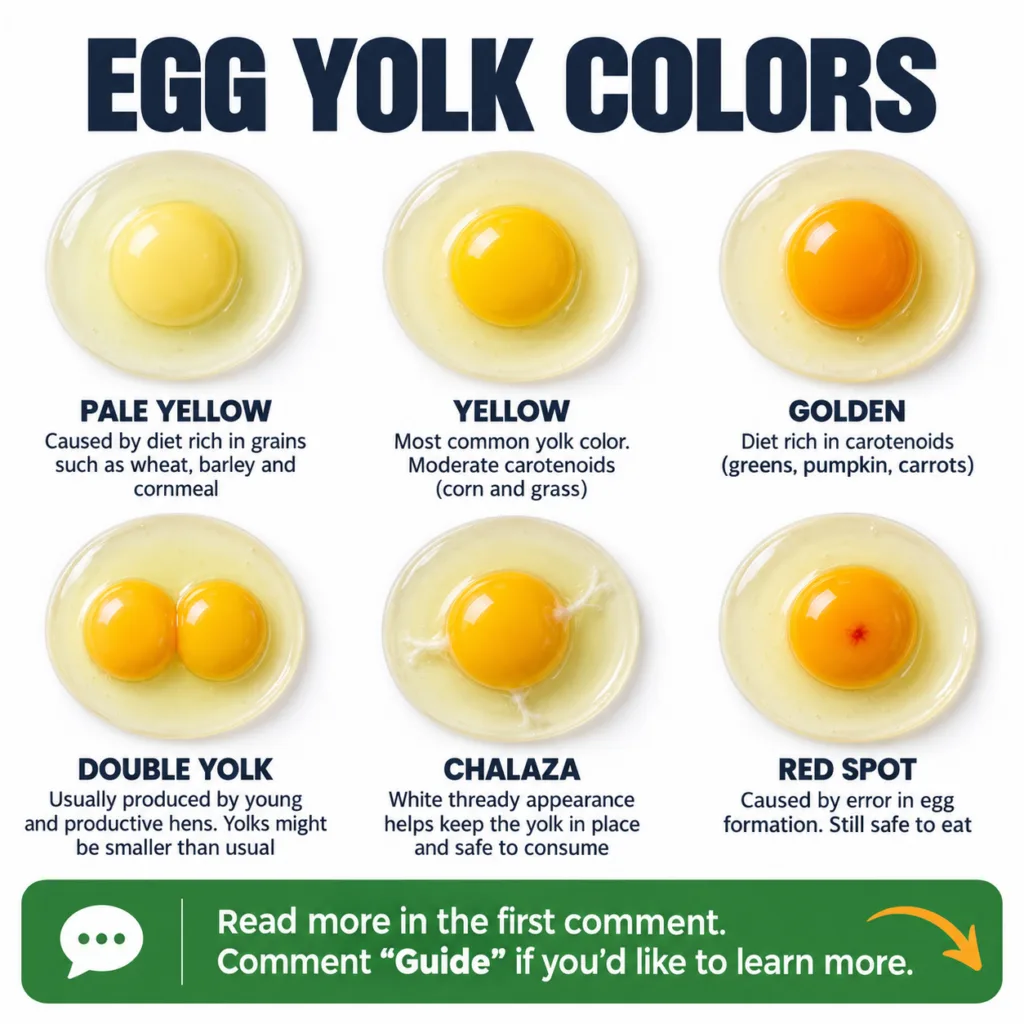
The primary factor influencing the color of an egg yolk is the hen’s diet. Specifically, it’s the pigments found in the feed, known as carotenoids, that dictate the yolk’s hue. Hens that consume diets rich in yellow-orange plant pigments, such as those found in corn, alfalfa, marigold petals, and certain grasses, will produce eggs with deeper, more vibrant yolks. Conversely, hens fed a diet primarily consisting of wheat or barley, which contain fewer carotenoids, will lay eggs with paler yolks.
It’s important to understand that the intensity of the yolk’s color does not directly correlate with its nutritional content. Both light and dark yolks can be equally nutritious, providing essential vitamins, minerals, and healthy fats. The difference is mainly aesthetic and a reflection of what the hen has been eating.
The Role of Carotenoids
Carotenoids are natural pigments responsible for the red, orange, and yellow colors in many fruits, vegetables, and flowers. When hens consume feed containing these pigments, their bodies deposit them into the egg yolks. Some common carotenoids that influence yolk color include lutein and zeaxanthin.
Decoding Different Egg Yolk Hues
Let’s break down what different yolk colors typically indicate:
- Pale Yellow: This often suggests that the hen’s diet is rich in wheat or barley, which are lower in carotenoid pigments. These yolks are perfectly healthy and nutritious.
- Yellow: A standard yellow yolk is common and indicates a balanced diet for the hen, including moderate amounts of carotenoid-rich ingredients.
- Golden/Orange: A deep golden or even orange yolk is a sign that the hen has consumed a diet particularly rich in carotenoids. This might come from pasture-grazing (eating fresh grass and bugs) or a commercial feed supplemented with corn, alfalfa, or marigold extract.
Beyond Color: Other Common Egg Observations
Sometimes you might notice other interesting features when you crack open an egg. Here’s what some of them mean:
Double Yolk
Finding a double yolk is a fascinating occurrence! It’s most common in younger hens whose reproductive systems are still maturing, or sometimes in older hens. It simply means that two ova (egg cells) were released simultaneously and encapsulated within the same shell. Double-yolked eggs are perfectly safe and edible.
Chalaza
The chalazae (plural of chalaza) are those rope-like, white strands you sometimes see floating in the egg white. These are not part of an embryo, but rather natural, edible structures made of protein. Their purpose is to anchor the yolk in the center of the egg, protecting it from damage. A prominent chalaza is actually a sign of a very fresh egg!
Red Spot (Blood Spot)
A small red or brown spot on the yolk or in the egg white is commonly referred to as a blood spot. These are tiny pieces of tissue or blood vessels that may have ruptured during the egg’s formation in the hen’s reproductive tract. While they might look alarming, they are completely harmless and can be easily removed with the tip of a knife if you prefer. They do not indicate that the egg is fertilized or spoiled.
The Nutritional Takeaway
Ultimately, while egg yolk color can be an interesting indicator of a hen’s diet, it is not a direct measure of an egg’s overall nutritional value. A pale yellow yolk can be just as packed with protein, vitamins, and minerals as a deep orange one. The most important thing is to choose eggs from a reputable source and enjoy them as part of a balanced diet.
Remember, this information is for educational purposes only and is not a substitute for professional medical advice or treatment. Always consult with a healthcare professional for any health concerns.