Do achy legs and sore bones often leave you feeling drained? It’s a common complaint, especially as we age, and it can truly impact our daily lives. While many factors contribute to discomfort, you might be surprised to learn it could be linked to a common, yet often overlooked, nutrient deficiency! The good news is, there are natural ways that may help support your body and ease that discomfort.
Let’s explore this ‘hidden vitamin’ connection and how simple, natural remedies can play a role in supporting your bone and joint health.
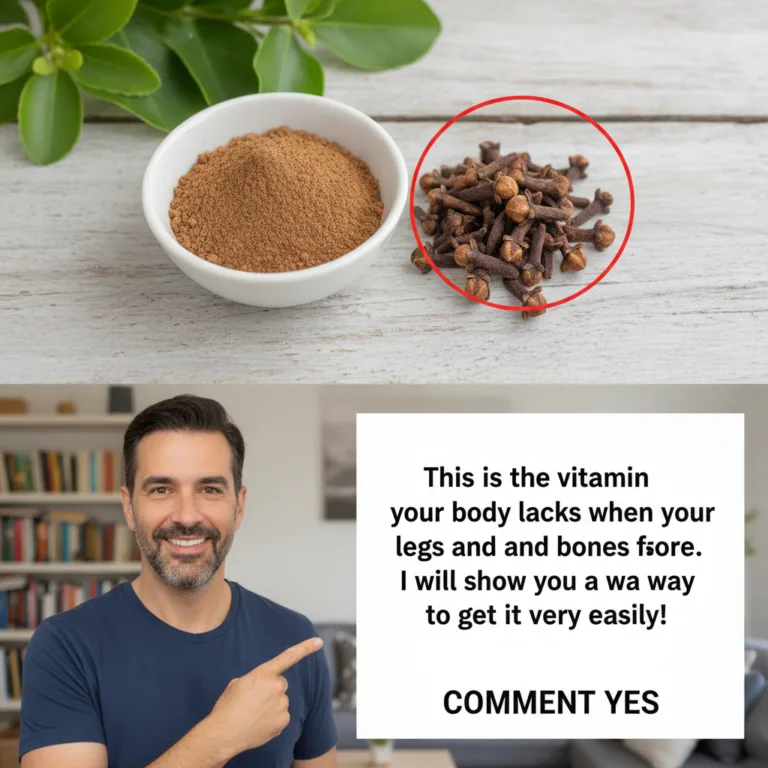
The Silent Culprit: Understanding Micronutrient Deficiencies
Our bodies are intricate systems, and they rely on a delicate balance of vitamins and minerals to function optimally. When we experience persistent aches, it’s natural to consider things like overuse, injury, or age-related wear and tear. However, sometimes the root cause can be a deficiency in a specific micronutrient that’s essential for bone density, joint integrity, or muscle function.
While calcium and Vitamin D are well-known for their roles in bone health, other vital nutrients often fly under the radar. One such nutrient that plays a crucial part in maintaining healthy bones and connective tissues is Manganese.
Why Manganese Matters for Your Bones and Joints
- Bone Formation: Manganese is a co-factor for enzymes involved in bone formation and metabolism. It works alongside calcium, zinc, and copper to support bone mineral density.
- Connective Tissue Support: This often-overlooked mineral is crucial for the production of cartilage, which cushions our joints, and collagen, a key protein in bones, tendons, and ligaments.
- Antioxidant Properties: Manganese is a component of superoxide dismutase (SOD), a powerful antioxidant enzyme that helps protect cells, including those in our joints, from oxidative stress.
A deficiency in manganese, while not as widely discussed as calcium or Vitamin D, may contribute to weaker bones and more vulnerable joints, potentially leading to discomfort in the legs and other areas.
Embracing Natural Support: The Power of Cloves and Other Remedies
So, where can we find this valuable manganese, along with other compounds that support bone and joint health? Nature provides us with many wonderful sources, and one spice that truly stands out is the humble clove.
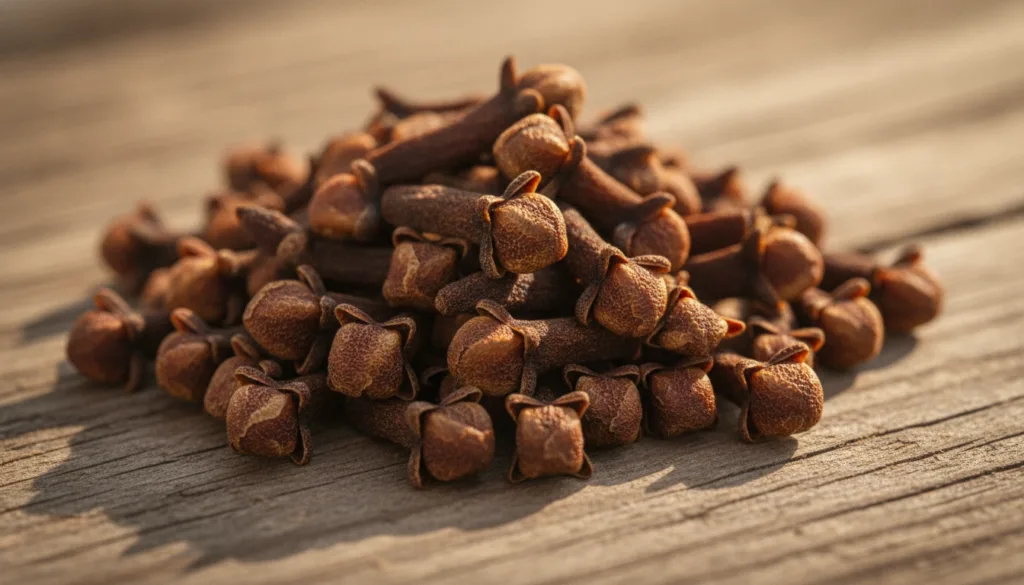
Cloves: A Natural Boost for Wellness
Cloves are not only prized for their distinct aroma and flavor in cooking, but they are also a surprisingly rich source of manganese! Just a teaspoon of ground cloves can provide a significant portion of your daily recommended intake. Beyond manganese, cloves contain eugenol, a compound known for its potential anti-inflammatory and antioxidant properties.
How to Incorporate Cloves into Your Diet:
- Spice Up Your Cooking: Add ground cloves to curries, stews, baked goods, or even sprinkle a tiny pinch into your morning oatmeal or coffee.
- Warm Beverages: Clove tea is a comforting and easy way to enjoy its benefits. Simmer a few whole cloves in hot water for 5-10 minutes, then strain and enjoy.
- Aromatic Infusions: Add a few whole cloves to warm apple cider or mulled wine for a flavorful and potentially beneficial treat.
Remember, moderation is key with any concentrated spice.
Beyond Cloves: Holistic Approaches for Bone & Leg Comfort
While cloves can be a wonderful addition, a comprehensive approach to leg and bone comfort involves several healthy habits:
- Balanced Diet: Focus on a whole-food diet rich in fruits, vegetables, lean proteins, and healthy fats. Ensure adequate intake of calcium-rich foods (leafy greens, dairy alternatives) and Vitamin D (fatty fish, fortified foods, sensible sun exposure).
- Regular Exercise: Weight-bearing exercises like walking, jogging, and strength training help build and maintain bone density. Flexibility exercises can support joint health.
- Stay Hydrated: Drinking enough water is crucial for overall health, including joint lubrication and nutrient transport.
- Mindful Movement: Pay attention to your posture and how you move throughout the day to reduce strain on your joints and muscles.
- Listen to Your Body: Rest when you need to, and avoid overexertion, especially if you’re experiencing discomfort.
When to Seek Professional Advice
While natural remedies can be a great support system, it’s vital to remember that persistent leg and bone pain can be a sign of underlying medical conditions. If you’re experiencing severe or ongoing discomfort, or if you suspect a significant nutrient deficiency, please consult with a healthcare professional. They can provide an accurate diagnosis and recommend the best course of action for your individual health needs.
Empowering yourself with knowledge about your body’s nutritional needs and incorporating natural supports can be a wonderful step towards feeling more comfortable and vibrant as you age. Start exploring these gentle, natural solutions today!