Did you know your kitchen’s spice cabinet can be a hidden gem for wellness? While often celebrated for their ability to transform dishes with flavor, many common spices also boast a history of traditional use for their potential health benefits. From warming cinnamon to vibrant saffron, these everyday ingredients may offer surprising support for various aspects of your well-being.
At Glowra Health, we believe in exploring holistic approaches to health. This article delves into the powerful health benefits associated with five common spices, transforming your understanding of these culinary staples. Prepare to unlock the full potential of your spice rack and discover how to incorporate these natural wonders into your daily routine for enhanced vitality.
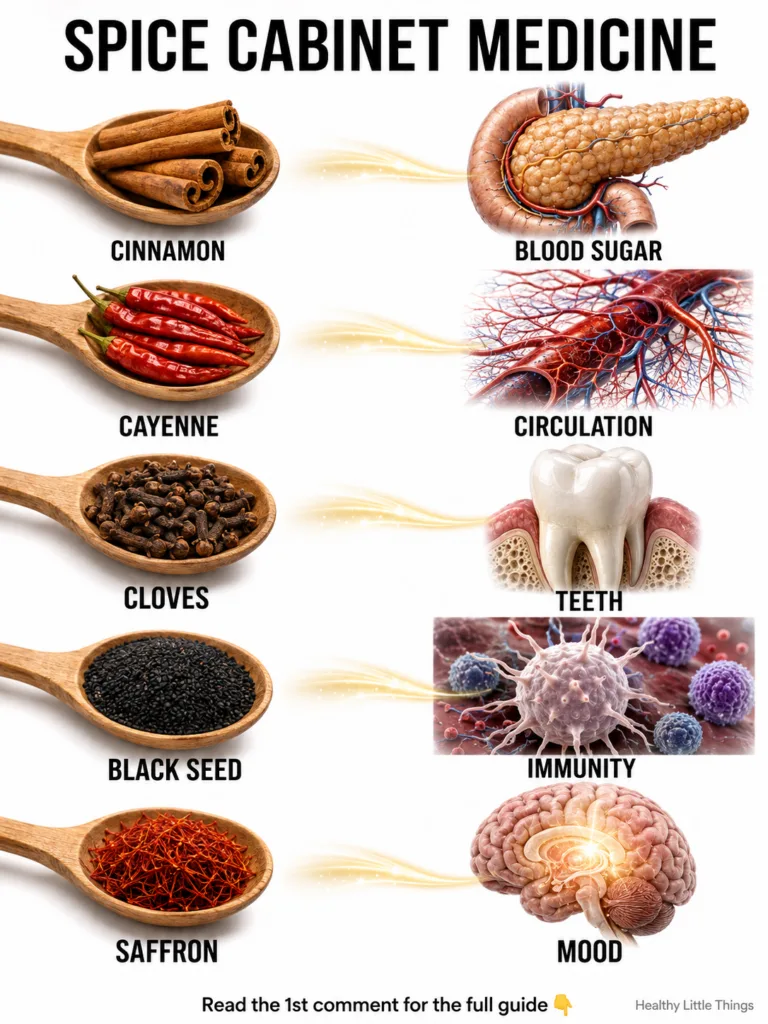
Cinnamon: Supporting Healthy Blood Sugar
Cinnamon, a fragrant spice beloved in both sweet and savory dishes, is widely recognized for its potential role in supporting healthy blood sugar levels. Historically, it has been used in various traditional medicine systems for its medicinal properties.
How Cinnamon May Help
- Insulin Sensitivity: Compounds in cinnamon, particularly cinnamaldehyde, may help improve the body’s sensitivity to insulin, the hormone responsible for transporting blood sugar from the bloodstream to the cells.
- Glucose Absorption: It may also slow down the breakdown of carbohydrates in the digestive tract, which can help reduce the amount of glucose entering the bloodstream after a meal.
Incorporating Cinnamon into Your Diet
Adding cinnamon to your daily routine is simple and delicious. Sprinkle a teaspoon on your morning oatmeal, yogurt, or fruit. You can also add it to smoothies, coffee, or use it in baking. Look for Ceylon cinnamon, often referred to as “true” cinnamon, for potentially broader benefits compared to the more common Cassia cinnamon.
Cayenne Pepper: Boosting Circulation and More
Cayenne pepper, a fiery red spice, is more than just a flavor enhancer; it’s a potent ingredient known for its capacity to stimulate circulation and provide a range of other benefits.
The Power of Capsaicin
The active compound in cayenne pepper is capsaicin, which gives it its characteristic heat. Capsaicin is a well-reseamed compound that:
- Enhances Blood Flow: It may help widen blood vessels, promoting better blood flow throughout the body. This improved circulation can contribute to nutrient delivery and waste removal.
- Supports Metabolism: Some studies suggest capsaicin can have a thermogenic effect, slightly increasing the body’s metabolic rate, which could be beneficial for those looking for natural ways to support metabolism.
Ways to Enjoy Cayenne Pepper
A pinch of cayenne can add a kick to soups, stews, chili, and even scrambled eggs. For a circulation-boosting beverage, try a small amount in hot lemon water. Always start with a small quantity to gauge your tolerance, as its heat can be intense.
Cloves: Aiding Oral Health
Cloves, the aromatic flower buds from the myrtle tree, have been a staple in traditional remedies for centuries, particularly for their remarkable contributions to oral health. Their distinctive flavor and potent properties make them a valuable addition to your wellness toolkit.
The Role of Eugenol
The primary active component in cloves is eugenol, a compound with natural analgesic and antiseptic properties. This makes cloves particularly effective for:
- Soothing Discomfort: Traditionally, a whole clove held against a sore tooth or gum has been used to temporarily alleviate discomfort.
- Maintaining Oral Hygiene: Its antiseptic qualities may help reduce bacteria in the mouth, contributing to overall oral hygiene and fresh breath.
Using Cloves for Oral Wellness
You can gently chew on a whole clove for a minute or two, or use clove essential oil (diluted appropriately) as a mouthwash ingredient. Ground cloves can also be incorporated into herbal tooth powders. Remember that these are traditional aids and not a substitute for professional dental care.
Nigella Sativa (Black Seed): Enhancing Immune Function
Nigella Sativa, commonly known as black seed or black cumin, is a powerful seed that has been revered in traditional medicine for thousands of years. It’s often referred to as a “miracle herb” due to its wide array of potential benefits, with immune support being a key highlight.
Supporting Your Body’s Defenses
Black seed contains a complex mix of beneficial compounds, including thymoquinone, which is largely responsible for its health-promoting effects. It may help by:
- Modulating Immune Response: Thymoquinone and other compounds in black seed are thought to help balance and strengthen the immune system, making it more resilient to external threats.
- Antioxidant Properties: Its rich antioxidant content helps combat oxidative stress in the body, which can otherwise weaken immune function.
How to Consume Black Seed
Black seeds can be eaten whole, ground into a powder and added to smoothies, yogurt, or bread, or taken as a cold-pressed oil. Black seed oil is a popular choice and can be consumed directly (usually a teaspoon daily) or mixed into food. When choosing black seed oil, look for high-quality, organic, cold-pressed varieties to ensure maximum potency.
Saffron: Nurturing Mood and Well-being
Saffron, the world’s most expensive spice, is celebrated not only for its distinct flavor and vibrant color but also for its delicate yet significant potential to nurture mood and emotional well-being.
The Gentle Uplift of Saffron
The unique compounds responsible for saffron’s color and aroma, such as crocin and safranal, are also believed to contribute to its mood-enhancing effects:
- Balancing Neurotransmitters: Saffron may influence neurotransmitters like serotonin, which play a crucial role in regulating mood, sleep, and appetite.
- Antioxidant Protection: Its antioxidant properties help protect brain cells from damage, which can indirectly support cognitive and emotional health.
Culinary Uses for Saffron
A few threads of saffron can transform dishes like paella, risotto, or even a simple cup of tea. To maximize its flavor and benefits, steep saffron threads in a small amount of warm liquid before adding them to your recipes. Due to its cost, use it sparingly but intentionally.
Final Thoughts
Your kitchen spice cabinet holds far more than just flavor; it’s a trove of ingredients with a rich history of supporting health and wellness. From cinnamon’s potential for blood sugar balance to saffron’s mood-nurturing qualities, these common spices offer a natural and accessible way to enhance your daily routine. By thoughtfully incorporating these powerful elements into your cooking, you can embrace a more holistic approach to well-being.
Remember that while spices offer promising benefits, they are best enjoyed as part of a balanced diet and healthy lifestyle. Always consult with a healthcare professional before making significant changes to your diet or if you have specific health concerns.
Medical Disclaimer
This article is for informational purposes only and does not constitute medical advice. Always consult with a qualified healthcare professional before making any decisions about your health or treatment, especially if you have a medical condition or are taking medication.