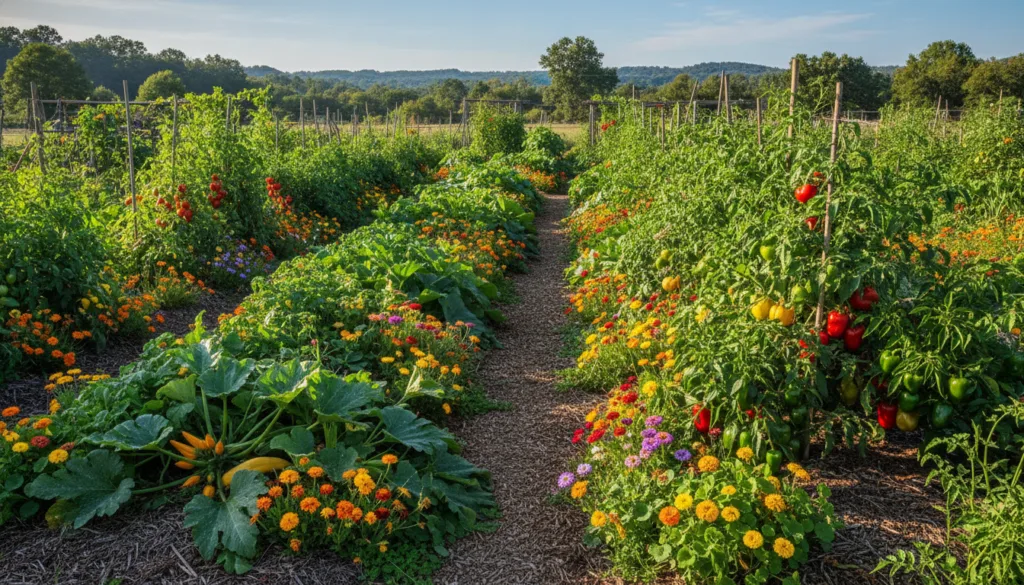
Are you dreaming of a lush, vibrant garden bursting with healthy plants, but want to avoid harsh chemicals? You’re in luck! Nurturing your garden naturally is not only great for the environment, but it also leads to stronger, more resilient plants and delicious, chemical-free harvests. The best part? You can craft powerful, natural fertilizers right in your own home with ingredients you likely already have!
At Garden – L. Quyên, we believe gardening should be simple, joyful, and sustainable. Join us as we explore the magic of homemade organic fertilizers and discover how easy it is to give your plants the nourishment they crave, the natural way.
Why Choose Natural Fertilizers?
Opting for natural or organic fertilizers offers a multitude of benefits for your plants, your garden’s ecosystem, and even your wallet:
- Healthier Soil: Unlike synthetic fertilizers that can deplete soil life, natural options feed the beneficial microorganisms in your soil, improving its structure and fertility over time.
- Sustainable & Eco-Friendly: Reduce your environmental footprint by using readily available, renewable resources and avoiding chemical runoff.
- Gentle on Plants: Organic fertilizers release nutrients slowly, reducing the risk of ‘fertilizer burn’ and providing a steady supply of nourishment.
- Cost-Effective: Many ingredients are kitchen scraps or common household items, saving you money on store-bought products.
- Safer for You & Your Family: No worries about handling or consuming produce grown with potentially harmful chemicals.
DIY Natural Fertilizers: Simple Recipes for Robust Growth
Ready to get started? Here are some of our favorite easy-to-make natural fertilizers:
1. Compost Tea: The Nutrient-Rich Powerhouse
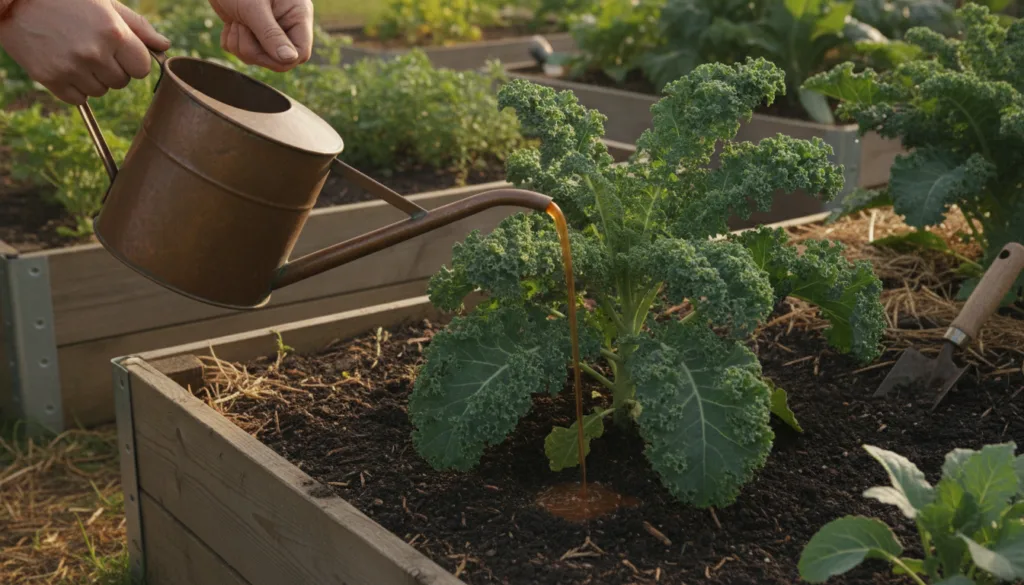
Compost tea is like a vitamin shot for your plants, delivering a liquid boost of nutrients and beneficial microbes. It’s fantastic for both foliar feeding and soil drenching.
How to Make It:
- Ingredients: A shovel full of mature compost (from your compost bin or store-bought organic compost), a 5-gallon bucket, and dechlorinated water (let tap water sit out for 24 hours or use rainwater).
- Method: Place the compost in an old pillowcase or a mesh bag. Suspend the bag in the bucket of water, ensuring it’s fully submerged.
- Steep: Let it steep for 24-48 hours. Stir occasionally to aerate the mixture. The water will turn a brownish color.
- Dilute & Apply: Remove the compost bag. Dilute the ‘tea’ with an equal amount of water until it’s the color of weak tea. Use it to water your plants or spray directly onto leaves.
2. Banana Peel Fertilizer: Potassium Power
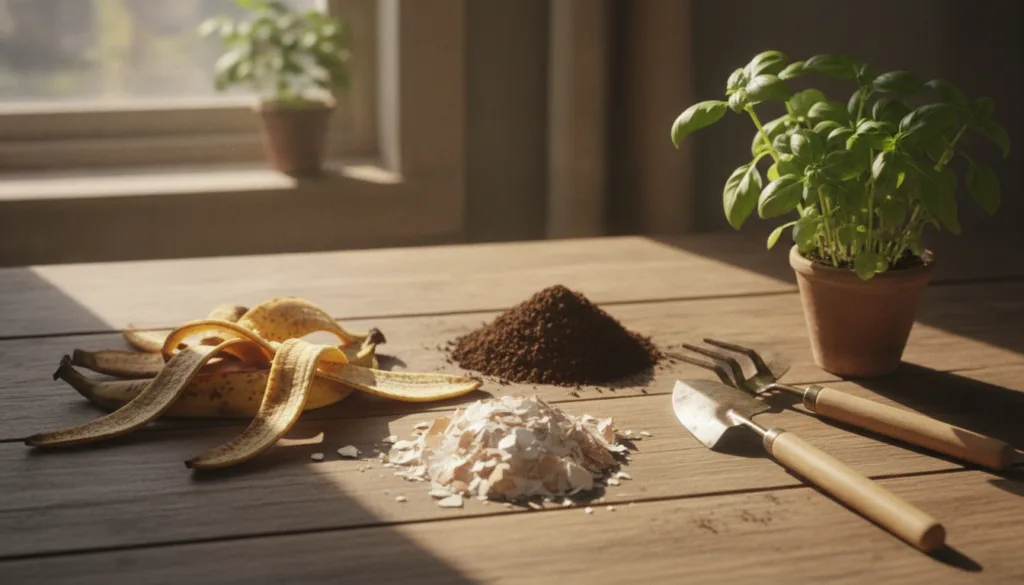
Banana peels are packed with potassium, essential for strong stems, root development, and flower and fruit production. They also contain calcium, magnesium, and phosphorus.
How to Use It:
- Direct Burial: Bury chopped banana peels directly into the soil near potassium-loving plants like tomatoes, roses, and peppers.
- Banana Peel Tea: Soak 4-5 banana peels in a gallon of water for a few days. Strain the liquid and use it to water plants.
- Dried & Powdered: Dry banana peels in the sun or oven until brittle, then grind them into a powder. Sprinkle the powder around the base of plants or mix into potting soil.
3. Eggshell Fertilizer: Calcium Boost
Eggshells are a fantastic source of calcium, which helps prevent blossom end rot in tomatoes and peppers, strengthens cell walls, and promotes overall plant health.
How to Use It:
- Clean & Dry: Rinse eggshells thoroughly and let them dry completely.
- Crush: Crush the dried shells into small pieces. You can use a blender or mortar and pestle for a finer powder.
- Apply: Mix the crushed eggshells into the soil when planting, or sprinkle them around the base of existing plants. They break down slowly, providing a sustained release of calcium.
4. Coffee Grounds: Nitrogen & Acidity Enhancer
Used coffee grounds are rich in nitrogen, which promotes lush, leafy growth. They also add organic matter to the soil and can slightly increase soil acidity, which is beneficial for acid-loving plants like blueberries, hydrangeas, and roses.
How to Use It:
- Direct Application: Sprinkle used coffee grounds directly around the base of acid-loving plants. Don’t apply too thickly to avoid compaction.
- Compost Booster: Add coffee grounds to your compost pile to enrich it and speed up decomposition.
5. Epsom Salts: Magnesium & Sulfur Supplement
While not strictly a ‘fertilizer’ in the traditional sense, Epsom salts (magnesium sulfate) provide magnesium and sulfur, two crucial micronutrients that can boost chlorophyll production, improve nutrient absorption, and promote vigorous growth, especially for roses, tomatoes, and peppers.
How to Use It:
- Soil Drench: Dissolve 1 tablespoon of Epsom salts in a gallon of water and use it to water plants every 2-4 weeks.
- Foliar Spray: Dissolve 1 tablespoon of Epsom salts in a gallon of water and spray it directly onto plant leaves. Apply in the early morning or late evening to prevent leaf burn.
Tips for Success with Natural Fertilizers
- Observe Your Plants: Pay attention to your plants’ needs. Yellowing leaves might indicate a nitrogen deficiency, while poor flowering could point to a lack of phosphorus or potassium.
- Don’t Overdo It: While natural fertilizers are gentler, excessive application can still harm plants. Start with smaller amounts and increase if needed.
- Soil Testing: Consider getting a soil test every few years to understand your soil’s composition and specific nutrient deficiencies.
- Consistency is Key: Regular, moderate application of natural fertilizers is more effective than infrequent, heavy doses.
- Combine Methods: Use a combination of these DIY methods for a balanced nutrient profile.
Embrace the Natural Way!
Nourishing your garden with homemade natural fertilizers is a rewarding journey. Not only will your plants thrive, but you’ll also be contributing to a healthier environment and a more sustainable gardening practice. The satisfaction of seeing your garden flourish, knowing you’ve used nature’s own ingredients, is truly unparalleled.
What are your favorite natural fertilizers or garden hacks? Share your tips and experiences in the comments below! Let’s grow beautiful, healthy gardens together, the Garden – L. Quyên way!