Unlock the Secret to Endless Harvests: Your Essential Seed Saving Guide
Imagine a garden where your favorite vegetables and herbs return year after year, not just from new packets, but from the very plants you nurtured. This isn’t a dream; it’s the beautiful reality of seed saving! Here at Garden – L. Quyên, we believe in empowering every gardener to create a more sustainable, bountiful, and deeply personal growing space. Seed saving is one of the most rewarding ways to do just that, allowing you to cultivate resilient plants and enjoy endless harvests.
Many gardeners, especially those new to the practice, feel intimidated by seed saving. But the truth is, it’s a wonderfully simple and ancient art that anyone can master. It’s about taking a moment to appreciate the full life cycle of your plants and preserving the genetic legacy of your most cherished varieties.
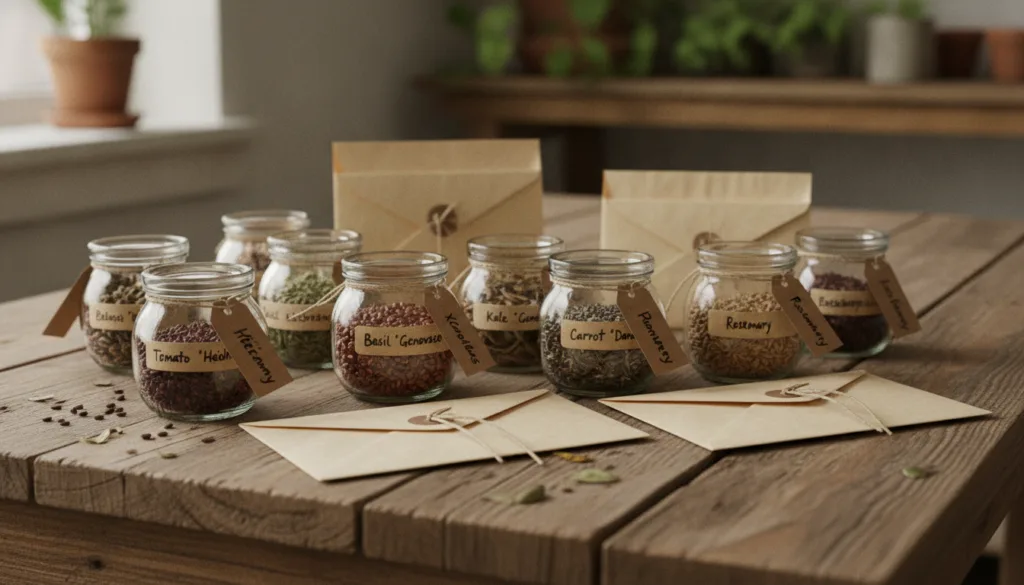
Why Embrace Seed Saving? The Benefits Bloom Beyond Expectation
Before we dive into the ‘how-to,’ let’s explore why seed saving is a practice every gardener should consider:
- Sustainability: Reducing your reliance on commercial seed suppliers lessens your ecological footprint and promotes a more self-sufficient gardening system.
- Cost Savings: Those seed packets add up! Saving your own seeds is virtually free, making gardening more economical in the long run.
- Preserve Unique Varieties: Many heirloom and open-pollinated varieties aren’t widely available commercially. Saving their seeds helps keep these precious plants alive and thriving for generations.
- Adaptation to Your Climate: Over time, seeds saved from plants thriving in your specific garden will adapt to your local soil, pests, and climate, leading to stronger, more resilient plants.
- Connect with Nature: There’s a profound satisfaction in completing the cycle of growth, harvest, and new beginnings.
Understanding Your Seeds: Open-Pollinated vs. Hybrid
This is crucial for successful seed saving:
- Open-Pollinated (OP) Seeds: These are plants that, when pollinated by wind, insects, or other natural means, will produce seeds that grow into plants true to the parent. Heirloom varieties are a type of open-pollinated plant. These are the best for seed saving!
- Hybrid (F1) Seeds: These are created by cross-pollinating two different parent plants to achieve specific traits. While they often produce vigorous plants, the seeds saved from a hybrid plant will likely not grow true to the parent, resulting in unpredictable or undesirable characteristics. Always check your seed packets for