In the vibrant world of superfoods, chia seeds have carved out a significant niche, celebrated for their impressive nutritional profile and versatility. But a common question often arises in the minds of health-conscious consumers: what’s the real difference between black chia seeds and white chia seeds? Is one superior? Do they offer distinct benefits, or is their difference merely cosmetic? Let’s dive deep into this comparison to uncover the surprising truths about these tiny, mighty seeds.
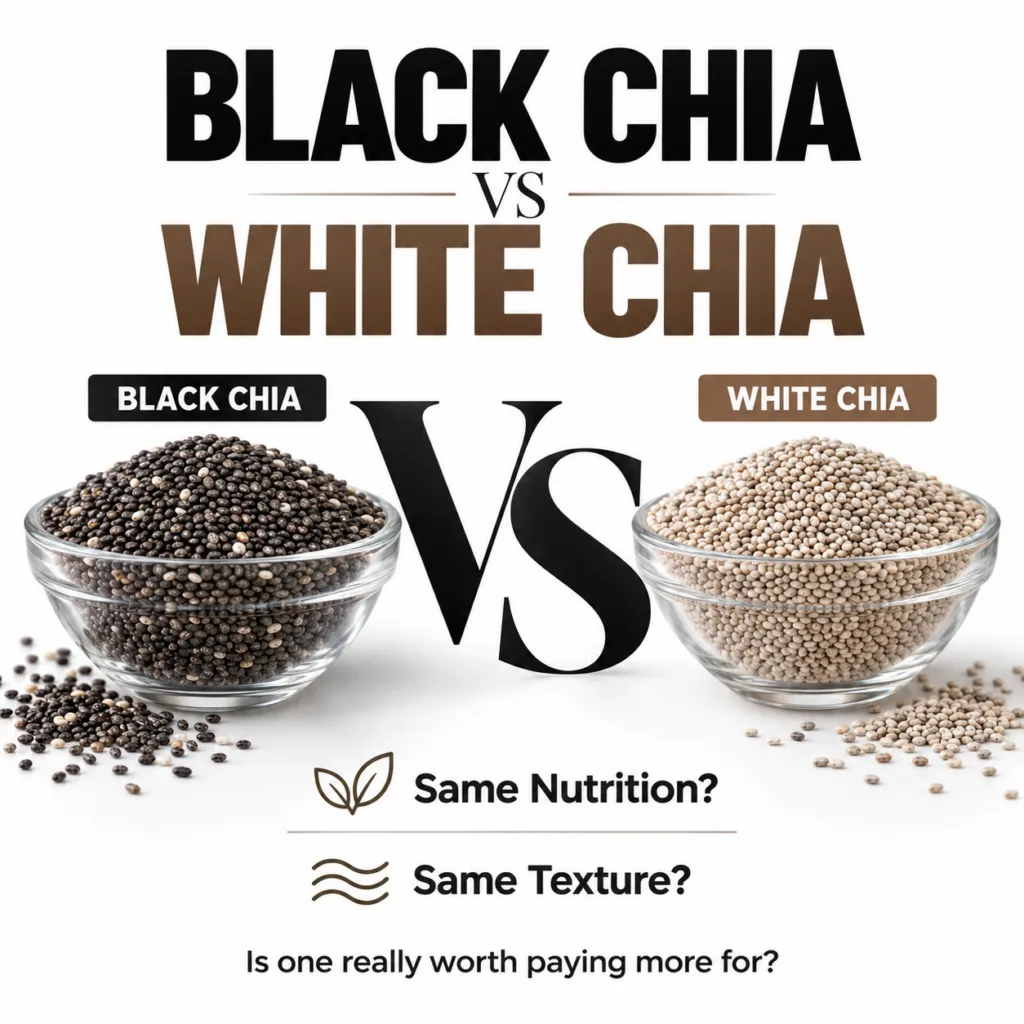 Black vs. White Chia: Is there a real difference beyond color?
Black Chia vs. White Chia: Unpacking the Core Similarities
Despite their distinct colors, the most striking aspect of black chia seeds and white chia seeds is their remarkable similarity. Botanically, they both come from the Salvia hispanica plant, meaning their core genetic makeup is nearly identical. The color difference primarily stems from genetic variations within the plant itself, similar to how different apple varieties have different skin colors but largely share the same internal fruit.
Nutritional Showdown: Are They Really the Same?
When it comes to nutrition, the answer to ‘Same Nutrition?’ is a resounding yes, almost. Both black and white chia seeds are nutritional powerhouses, packed with essential nutrients that contribute to overall well-being:
- Omega-3 Fatty Acids: Both varieties are exceptional sources of alpha-linolenic acid (ALA), a plant-based omega-3 that may support heart health and reduce inflammation.
- Fiber: Rich in dietary fiber, chia seeds—regardless of color—are excellent for digestive health, promoting regularity and contributing to a feeling of fullness.
- Protein: They offer a good amount of plant-based protein, making them a valuable addition for vegetarians, vegans, and anyone looking to boost their protein intake.
- Minerals: Both contain vital minerals such as calcium, magnesium, phosphorus, and zinc, all crucial for bone health, energy production, and immune function.
- Antioxidants: While black chia seeds might have a slightly higher concentration of antioxidants due to their darker pigment, the difference is generally considered negligible in terms of overall health impact when consumed as part of a balanced diet. The primary nutritional benefits remain consistent across both colors.
Therefore, from a macroscopic nutritional perspective, you can expect the same fantastic health benefits from either black or white chia seeds.
Texture Talk: Does Color Change the Mouthfeel?
The question ‘Same Texture?’ also leans heavily towards similarity. Both black and white chia seeds share the unique hydrophilic property that allows them to absorb up to 10-12 times their weight in liquid. This creates the characteristic gelatinous coating that gives chia puddings and drinks their distinctive texture.
Visually, white chia seeds might appear slightly less noticeable in lighter-colored dishes, offering a more uniform aesthetic. However, when it comes to the functional aspect—their ability to create a thick, gel-like consistency—there is no perceptible difference between the black and white varieties. Whether you’re making a smoothie, a pudding, or adding them to baked goods, their textural contribution will be identical.
The Price Question: Is One Really Worth Paying More For?
This brings us to the final, often critical, question posed by many consumers: ‘Is one really worth paying more for?’ Historically, white chia seeds have sometimes commanded a slightly higher price point. This can be attributed to several factors:
- Rarity: White chia is a less common variety than black chia, which naturally can influence pricing due to supply and demand.
- Aesthetic Preference: Some consumers prefer white chia for aesthetic reasons, especially in dishes where they want to avoid visible black specks, such as vanilla puddings or light-colored baked goods. This niche demand can also contribute to a higher price.
- Marketing: Sometimes, perceived rarity or a ‘premium’ image can lead to a higher price without a substantial difference in nutritional or functional value.
However, given their near-identical nutritional profiles and textural properties, from a purely practical and health-focused standpoint, there is generally no compelling reason to pay significantly more for white chia seeds. Unless aesthetics are a primary concern for your specific recipe, opting for black chia seeds often provides the same benefits at a potentially lower cost.
Incorporating Both Black and White Chia Seeds into Your Diet
No matter which color you choose, integrating chia seeds into your daily routine is simple and beneficial. Both varieties are incredibly versatile.
- Chia Puddings: The classic choice. Combine chia seeds with milk (dairy or non-dairy), a sweetener, and your favorite fruits for an easy, nutritious breakfast or snack.
- Smoothie Boost: Add a tablespoon or two to your morning smoothie for an extra dose of fiber, protein, and omega-3s.
- Baking: Use them as an egg substitute (chia egg: 1 tbsp chia seeds + 3 tbsp water, let sit for 5 minutes) or mix them into muffins, breads, and cookies for added texture and nutrition.
- Thickener: Great for thickening sauces, soups, or gravies.
- Salad Topping: Sprinkle dry seeds over salads for a slight crunch and nutritional boost.
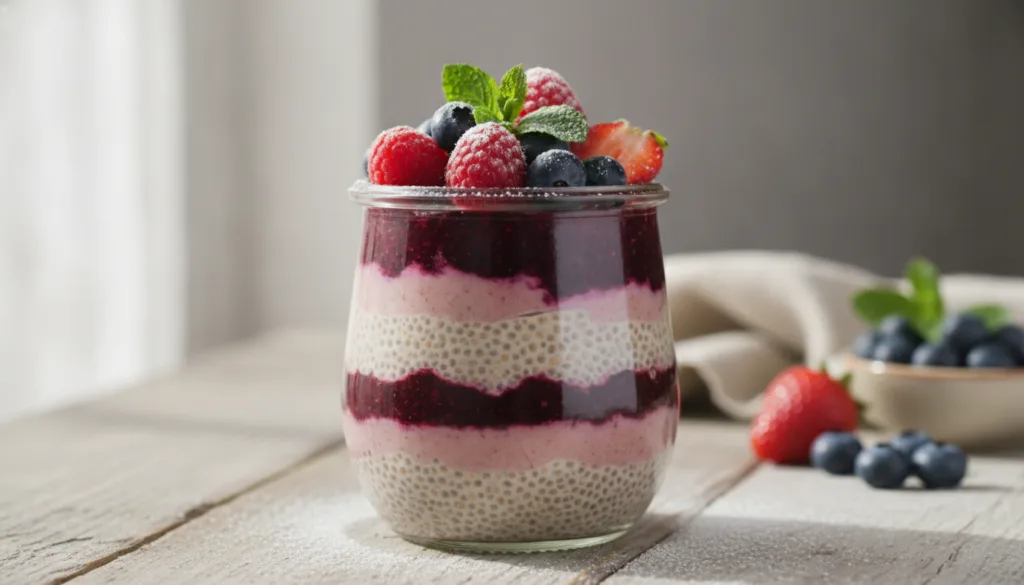 Both black and white chia seeds are perfect for delicious and nutritious puddings.
Choosing the Right Chia Seed for Your Lifestyle
Ultimately, the choice between black and white chia seeds comes down to personal preference and perhaps, budget.
If you’re focused purely on nutrition and functionality, both seeds deliver virtually the same benefits. The more readily available and often more affordable black chia seeds are an excellent choice.
If visual appeal in your culinary creations is a priority, or if you simply prefer the look of white chia seeds in certain dishes, then paying a slight premium might be worthwhile for you.
Rest assured, regardless of the color you pick, you’re making a smart choice for your health.
Final Thoughts
The ‘Black Chia vs. White Chia’ debate often boils down to a question of aesthetics and marketing more than genuine functional differences. Both varieties are nutritional powerhouses offering impressive amounts of fiber, omega-3s, and protein. So, the next time you’re stocking up on this incredible superfood, feel confident knowing that either black or white chia seeds will provide the same amazing benefits to your diet. Choose based on what’s available, your budget, or simply what appeals to your eye.
Medical Disclaimer
The information provided in this article is for general informational purposes only and does not constitute medical advice. Always consult with a qualified healthcare professional before making any decisions about your health or diet.