When most people think of castor oil, they often picture thick packs applied to joints or muscles. But what if this age-old plant held a surprising secret for a much more delicate area – your eyes?
For centuries, various cultures have explored the potential of castor oil not just for aches, but also for supporting eye comfort and the delicate skin around them. However, one small preparation mistake or improper application can negate its benefits or, worse, cause irritation. This guide cuts through the noise to show you exactly how to approach castor oil for eye health, focusing on safe, external applications.

What is Castor Oil and Why for Eyes?
Castor oil is a vegetable oil derived from the seeds of the Ricinus communis plant. It’s rich in ricinoleic acid, a monounsaturated fatty acid known for its anti-inflammatory and moisturizing properties. While often lauded for its effects on skin and hair, its potential for external eye support comes from these very qualities: helping to soothe dryness, reduce the appearance of puffiness, and nourish the delicate skin around the orbital area.
It’s important to clarify: we are primarily discussing careful external application around the eyes or along the lash line, not direct application *into* the eye itself for vision correction. The goal is often to support overall eye comfort, reduce strain from dryness, and promote the healthy appearance of lashes and brows.
The Science Behind the Soothe
The moisturizing properties of castor oil can help lock in hydration, which is crucial for reducing the discomfort associated with dry eyes when applied externally. By strengthening the skin barrier around the eyes and keeping the delicate lash line moisturized, it can contribute to a feeling of comfort and reduce irritation that sometimes accompanies environmental stressors or prolonged screen time.
Your Castor Eye Remedy: Gentle Application Guide
For external eye support, the preparation is simple, but precision and purity are key.
Ingredients:
- 100% Pure, Cold-Pressed, Hexane-Free Castor Oil: This is non-negotiable. Quality matters immensely, especially for use near the eyes.
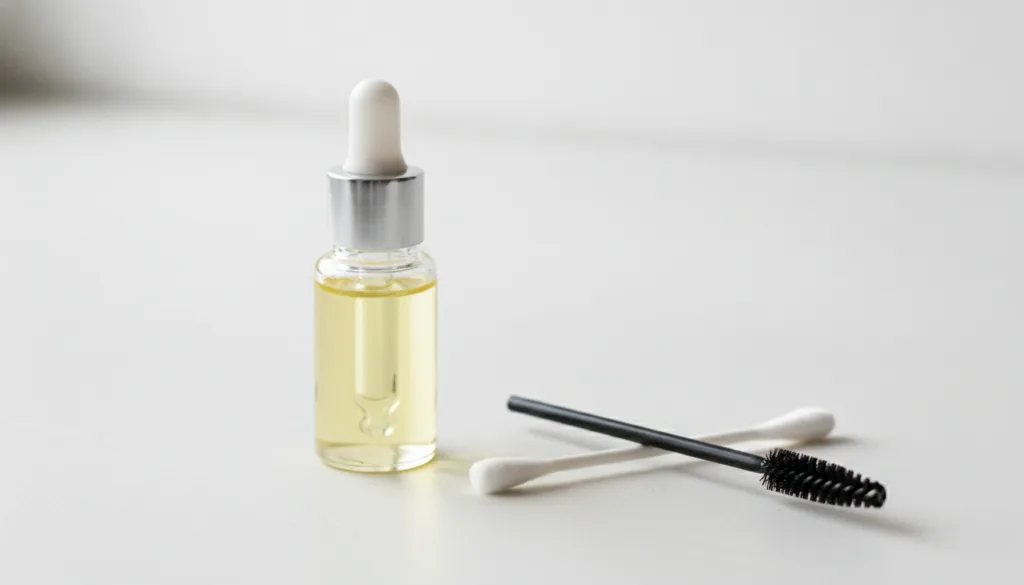
- Clean Applicators: Cotton swabs, clean fingertips, or a dedicated, sterilized mascara wand.
- Clean Container: A small, airtight glass dropper bottle or container for your castor oil.
Approximate Measurements:
- Start with 1-2 drops of castor oil per application. A little goes a long way.
Formula / Recipe:
This isn’t a complex recipe. It’s about sourcing the right oil and applying it correctly.
- Ensure your castor oil is room temperature.
- Wash your hands thoroughly with soap and water.
- If using a new bottle, ensure the dropper is clean and free from contaminants.
Step-by-Step Method:
- Cleanse Your Face: Gently wash your face, paying special attention to removing all eye makeup and residues. Pat dry with a clean towel.
- Prepare Your Applicator: Dispense 1-2 drops of castor oil onto a clean cotton swab, your fingertip, or a sterilized mascara wand.
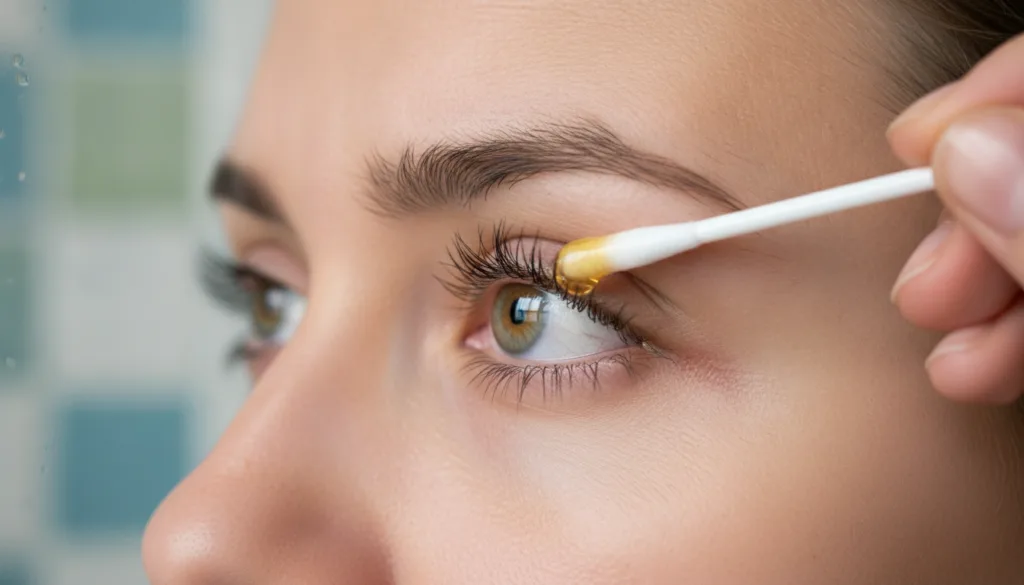
- Gentle Application (Lash Line): For lash nourishment, carefully apply a thin layer of oil along the base of your upper and lower lash lines, as you would apply liquid eyeliner. Avoid getting it directly into your eye.
- Gentle Application (Around the Eyes): For moisturizing the skin around the eyes or reducing puffiness, gently tap and smooth a tiny amount of oil onto the orbital bone, moving outwards from the inner corner. Be extremely gentle, as the skin here is very thin.
How to Use
Apply the oil externally to the lash lines or around the orbital bone. For dryness or puffiness, a light touch is key. For lash and brow conditioning, focus on the hair follicles.
How Often to Use
Start by applying once a day, preferably in the evening before bed, to allow the oil to work overnight without interfering with makeup or causing daytime blurriness. If tolerated well, you can continue daily use.
How to Buy / How to Choose Ingredients
This is where many people make a critical mistake.
- Look for ‘100% Pure, Cold-Pressed, Hexane-Free’: This ensures you’re getting the highest quality oil without chemical residues from extraction methods.
- Dark Glass Bottle: Castor oil should be stored in a dark glass bottle to protect it from light degradation.
- Reputable Brand: Purchase from a trusted source known for quality herbal products. Avoid overly cheap or unlabelled oils.
Quick Tip: Freshness matters. Once opened, castor oil is best used within 6-12 months for optimal potency.
Storage
Store your castor oil in a cool, dark place, away from direct sunlight and heat. A cabinet or pantry is ideal. Ensure the cap is tightly sealed to prevent oxidation and contamination.
Practical Tips
- Patch Test: Before applying near your eyes, do a small patch test on your inner forearm to check for any allergic reactions or sensitivities.
- Less is More: Use a very small amount. Excess oil can run into your eyes and cause temporary blurriness or irritation.
- Be Patient: Visible results, especially for lash and brow conditioning, take time. Consistency is more important than quantity.
- Dedicated Applicators: Use separate, clean applicators for your eyes to prevent cross-contamination.
Common Mistakes
- Using Non-Pure Oil: Opting for hexane-extracted or impure castor oil can introduce irritants to a sensitive area.
- Direct Eye Application: Applying oil directly *into* the eye can cause discomfort, blurriness, and potential infection if not sterile. Stick to external application.
- Over-Application: Too much oil can seep into the eyes, causing temporary vision changes or irritation.
- Unclean Hands/Applicators: Introducing bacteria to the eye area is a significant risk. Always ensure everything is spotless.
- Skipping the Patch Test: Everyone’s skin is different. Always test first.
Cautions / Who Should Avoid It
- Allergies: If you experience any redness, itching, swelling, or irritation during a patch test, discontinue use immediately.
- Eye Conditions: If you have pre-existing eye conditions, infections, or are recovering from eye surgery, consult a healthcare professional before use.
- Contact Lens Wearers: It’s generally best to remove contact lenses before applying castor oil near the eyes and wait at least 15-30 minutes before reinserting them. The oil can coat lenses and cause blurriness or discomfort.
- Pregnancy/Nursing: While external use of castor oil is generally considered safe, always consult your doctor if you are pregnant or nursing before introducing new remedies.
Did You Know? The ricinoleic acid in castor oil is thought to stimulate prostaglandin receptors, which might explain its traditional use in promoting hair growth, including lashes and brows.
Quick Summary
| Aspect | Guidance for Eye Area Use |
|---|---|
| Best Preparation | Use 100% pure, cold-pressed, hexane-free castor oil. |
| Best Use-Case | External application for lash/brow conditioning, moisturizing skin around eyes, soothing dryness. |
| Storage | Cool, dark place in a sealed dark glass bottle. |
| When to Use | Once daily, preferably at night, after cleansing. |
| What to Avoid | Direct application into the eye, impure oils, overuse, dirty applicators. |
FAQ
- Can I use fresh or dried castor leaves for this?
No, for eye area remedies, only use purified, bottled castor oil. The leaves are typically used for different types of traditional topical packs (as seen in the image), not for delicate eye applications. - How long does castor oil last once opened?
Typically 6-12 months when stored correctly. Always check for changes in smell or consistency. - Can I refrigerate castor oil?
While not strictly necessary, refrigeration can extend its shelf life. Allow it to come to room temperature before applying for comfort. - How often should I use it for best results?
Daily evening application is often recommended for consistency, but listen to your body and adjust if any irritation occurs. - Can I freeze castor oil?
Freezing is not recommended as it can alter the oil’s consistency and effectiveness. - What part of the castor plant is best for eye health?
Only the oil extracted from the seeds, specifically purified, cold-pressed castor oil, is suitable for external application near the eyes. - Will castor oil improve my vision?
There is no scientific evidence to support that topical castor oil can directly improve vision. Its benefits for eye health are primarily related to external soothing, moisturizing the delicate skin around the eyes, and conditioning lashes/brows. - What if I get it in my eye?
If you accidentally get castor oil directly into your eye, it may cause temporary blurriness or irritation. Rinse your eye thoroughly with clean, lukewarm water until the discomfort subsides. If irritation persists, consult a doctor.
Conclusion
Castor oil, when used correctly and with caution, can be a valuable addition to your natural beauty and wellness routine for external eye support. Prioritizing purity and precise, gentle application is paramount to harnessing its moisturizing and soothing properties. Remember, this remedy is about supporting the delicate eye area and lashes, not a substitute for professional medical care or vision correction.
Read more about the incredible uses of natural oils in our guide: The Power of Plant Oils: Beyond the Kitchen
You may also like: DIY Natural Lash Serum: A Step-by-Step Guide