Remember those comforting remedies Grandma used to swear by? In our fast-paced world of advanced skincare, it’s easy to overlook the simple, time-tested solutions that often hold surprising wisdom. When it comes to soothing rough, dry, or irritated skin, sometimes the most humble ingredients from nature offer the gentlest and most effective comfort.
Today, we’re rediscovering one such age-old secret: the soothing oat bath soak. It’s a natural, ‘old-school’ method passed down through generations, promising a touch of natural luxury and much-needed relief.
Why This Matters: The Timeless Appeal of Natural Skin Relief
In a world brimming with complex skincare routines and potent chemical ingredients, why are so many people turning back to remedies like the humble oat bath? The answer lies in its gentle effectiveness and universal appeal. Dry, itchy, or irritated skin isn’t just a cosmetic concern; it can be incredibly uncomfortable, impacting sleep, mood, and overall well-being. Modern environmental factors, stress, and even harsh soaps can strip our skin of its natural moisture, leading to persistent dryness.
Many seek solutions that are free from artificial fragrances, dyes, and preservatives that can sometimes exacerbate sensitivity. That’s where the wisdom of traditions, like Grandma’s oat bath, truly shines. It offers a naturally nurturing approach to skin care, appealing to those who prefer to support their body’s wellness with ingredients directly from nature.
The Science Behind the Soothe: How Oats Comfort Your Skin
Traditional Wisdom Meets Modern Understanding
For centuries, oats have been a staple, not just on our breakfast tables, but also in traditional medicine and skincare. Ancient Egyptians, Romans, and many indigenous cultures recognized oats for their calming and healing properties. They were commonly used in poultices and baths to alleviate skin conditions like eczema, rashes, and burns.
Modern science has now caught up, confirming what our ancestors intuitively knew. The secret lies in a specific form of oats called colloidal oatmeal.
The Powerhouse Compounds in Oats
- Avenanthramides: These unique antioxidants and anti-inflammatory compounds are key to oats’ soothing abilities. They help reduce redness, itching, and irritation, making oat baths a balm for angry skin.
- Beta-Glucan: A soluble fiber found in oats, beta-glucan acts as a humectant, drawing moisture from the air and locking it into the skin. This creates a protective barrier, helping to hydrate and plump the skin cells.
- Saponins: Natural cleansing agents, saponins give oats a mild, soapy quality without stripping the skin of its natural oils, leaving it feeling clean yet moisturized.
- Starches and Polysaccharides: These create a film on the skin’s surface, which helps to hold moisture and further protect the skin barrier.
Together, these components make colloidal oatmeal an exceptional natural ingredient for nourishing, calming, and hydrating dry, sensitive, or irritated skin, offering comforting relief you can truly feel.
Your Practical Guide to a Soothing Oat Bath
Ready to experience the magic of an oat bath? It’s incredibly simple to prepare, making it an easy addition to your self-care routine.
What You’ll Need:
- 1 cup of plain, uncooked oats (rolled oats or quick oats work best, avoid instant flavored oats)
- A blender or food processor
- An old sock, muslin bag, or cheesecloth (optional, but recommended for easier cleanup)
Step-by-Step Preparation:
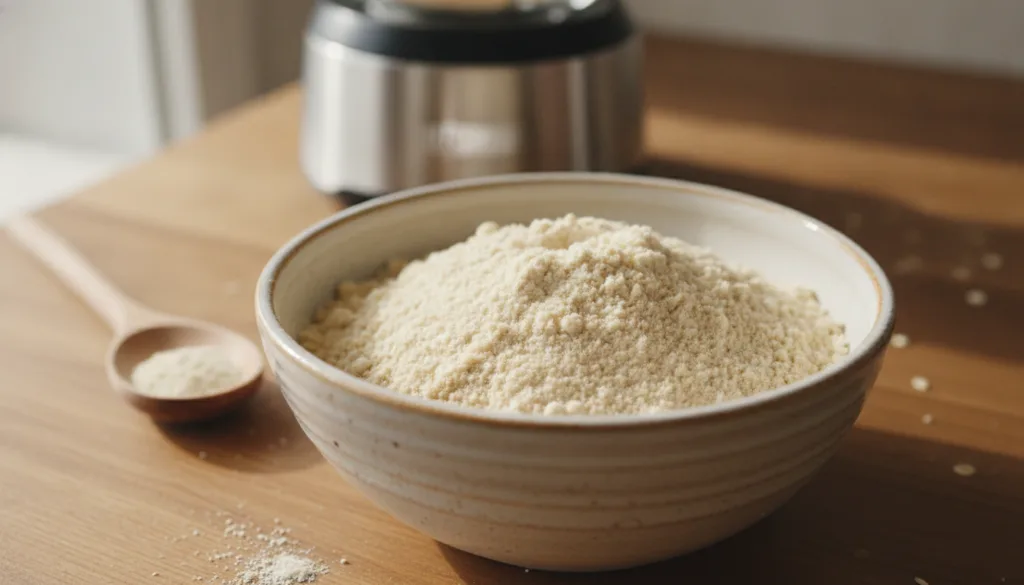
- Grind Your Oats: Place 1 cup of oats into your blender or food processor. Grind them into a very fine powder. You want a consistency similar to flour or a fine powder – this is crucial for the oats to disperse properly in the water and release their beneficial compounds. If the water doesn’t turn milky, they aren’t fine enough.
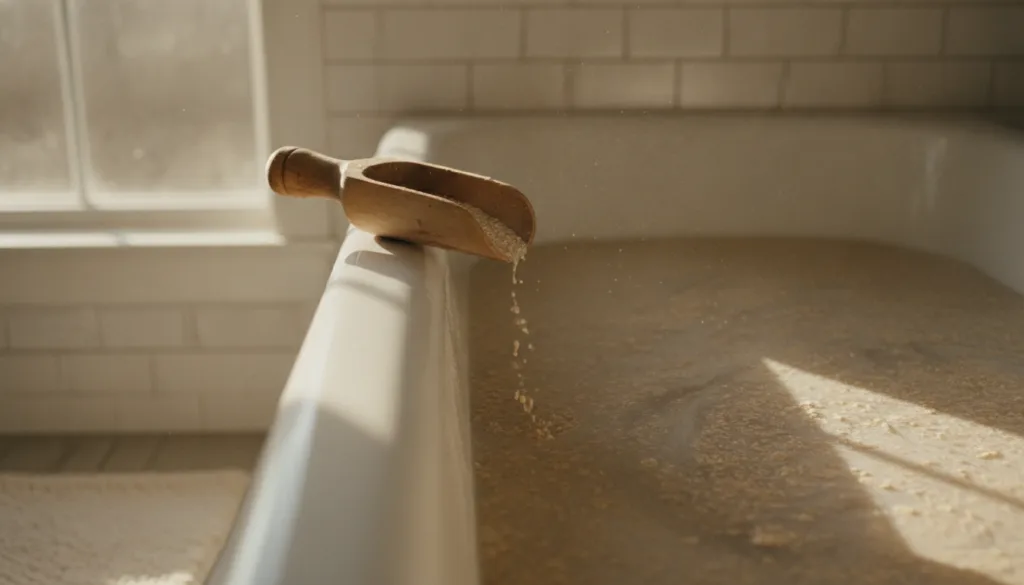
- Prepare Your Bath: As your tub fills with warm (not hot!) water, slowly sprinkle the finely ground oat powder directly into the running water.
- Optional: The Sock Method: For easier cleanup, you can pour the oat powder into an old sock, muslin bag, or several layers of cheesecloth. Tie it off securely and let it steep in the bathwater like a giant tea bag. You can even squeeze the bag gently to release more of the milky oat goodness.
Usage & Serving Suggestions:
- Soak Time: Aim for a 15-20 minute soak. Longer soaks, especially in very hot water, can actually dry out your skin.
- Water Temperature: Use lukewarm water. Hot water can strip your skin of natural oils and worsen dryness or irritation.
- After Your Bath: Gently pat your skin dry with a soft towel, leaving a little moisture. Immediately follow up with a gentle, unscented moisturizer to lock in the hydration from the oat bath.
- Frequency: For moderate dryness or irritation, 2-3 times a week can be beneficial. For very sensitive or acutely irritated skin, daily use for a short period may offer significant relief.
Healthy Combinations & Beginner Tips:
- Add Essential Oils (Carefully): A few drops of lavender or chamomile essential oil (diluted in a carrier oil first, like jojoba or almond oil) can enhance relaxation, but always patch test and ensure you’re not sensitive.
- Avoid Soaps: During your oat bath, skip harsh soaps or body washes, as these can counteract the soothing effects of the oats.
- Clean Up: If you sprinkled the oats directly into the tub, a quick rinse of the tub after draining will prevent any residue buildup.
Safety & Precautions: Listen to Your Body
While oat baths are generally considered very safe and gentle, it’s always wise to be mindful of individual sensitivities and circumstances:
- Allergies: Though rare, some individuals may have an oat allergy. If you experience any severe redness, itching, or swelling, discontinue use immediately.
- Existing Medical Conditions: If you have severe skin conditions like open wounds, weeping eczema, or psoriasis, consult your doctor or dermatologist before trying an oat bath.
- Pregnancy & Children: Oat baths are typically safe for pregnant individuals and children, but it’s always best to check with a healthcare professional for personalized advice, especially for infants or very young children.
- Avoid Hot Water: As mentioned, hot water can exacerbate dry skin. Stick to lukewarm temperatures.
- Slip Hazard: Oats can make the bathtub a bit slippery. Exercise caution when entering and exiting the tub.
Key Takeaways
- Oat baths, particularly with colloidal oatmeal, are a time-tested natural remedy for dry, itchy, and irritated skin.
- They work by delivering avenanthramides (anti-inflammatory), beta-glucan (hydrating), and saponins (gentle cleansing).
- Preparation involves grinding plain oats into a fine powder and adding them to a lukewarm bath.
- Soak for 15-20 minutes, then gently pat dry and moisturize immediately.
- Always use lukewarm water and avoid harsh soaps during your oat bath.
- While generally safe, consult a healthcare professional for severe skin conditions or if you have concerns about allergies.
FAQ
Q: What is the difference between regular oats and colloidal oatmeal?
A: Colloidal oatmeal is regular oats that have been very finely ground into a powder. This fine consistency allows the beneficial compounds to disperse evenly in water and interact effectively with your skin.
Q: How often can I take an oat bath for dry skin?
A: For general dryness or mild irritation, 2-3 times a week is often sufficient. For more severe cases, daily short soaks may be helpful, but always listen to your skin and consult a doctor if needed.
Q: Can I use instant oatmeal for an oat bath?
A: It’s best to use plain, uncooked rolled oats or quick oats and grind them yourself. Instant or flavored oatmeals often contain added sugars, salt, or artificial ingredients that are not beneficial for your skin and may cause irritation.
Q: Will an oat bath clog my drain?
A: If the oats are finely ground into a powder, drain clogging is unlikely. Using the ‘sock method’ can help minimize any residue and make cleanup even easier.
Q: Is an oat bath good for eczema?
A: Many people with eczema find oat baths very soothing for relieving itch and inflammation. The anti-inflammatory properties of avenanthramides can provide comfort. However, it’s a complementary remedy and not a cure, and severe cases should always be managed under medical supervision.
Related Reading
- The Gentle Power of Lavender: Nature’s Calming Herb
- Hydration from Within: Foods for Healthy, Glowing Skin
- Creating Your Own Soothing Herbal Compresses at Home
- Understanding Your Skin Barrier: Tips for Natural Protection