Imagine plucking a fresh, fragrant lemon from your very own tree, right in your backyard or even on your patio! While it might sound like a dream, growing a lemon tree from a simple seed is a truly rewarding and achievable gardening project. It’s a wonderful way to connect with nature, learn more about plant life cycles, and eventually enjoy fresh citrus. At Garden – L. Quyên, we love empowering you to grow your green dreams, and starting a lemon tree from seed is a fantastic journey we’re excited to guide you through.
Why Grow a Lemon Tree from Seed?
There’s a unique satisfaction that comes from growing something from scratch. With a lemon tree, you’re not just growing a plant; you’re cultivating a source of fresh zest, juice, and a beautiful, aromatic addition to your home or garden. While it requires patience, the process is incredibly educational and budget-friendly. Plus, it’s a fun project for the whole family!
What You’ll Need
- A fresh, organic lemon (from a store or your garden)
- Small pots or seed-starting trays
- Well-draining potting mix (ideally for citrus or general seed starting)
- Plastic wrap or a clear plastic dome
- Spray bottle for misting
- Sunny spot or grow lights
Step-by-Step Guide to Growing Lemon from Seed
Step 1: Choose Your Lemon & Extract Seeds
Start with a fresh, organic lemon. Organic lemons are less likely to have been treated with growth inhibitors. Slice open the lemon and carefully extract the plumpest seeds. Avoid any that look shriveled or discolored.
Step 2: Prepare the Seeds
Once you’ve extracted the seeds, clean them thoroughly. Remove any pulp clinging to them, as this can lead to mold. You can gently rub them under running water or soak them briefly. Some gardeners suggest removing the outer seed coat (scarification) to speed up germination, but it’s not strictly necessary for lemons. If you do, be very gentle to avoid damaging the inner seed.
Step 3: Plant Your Seeds
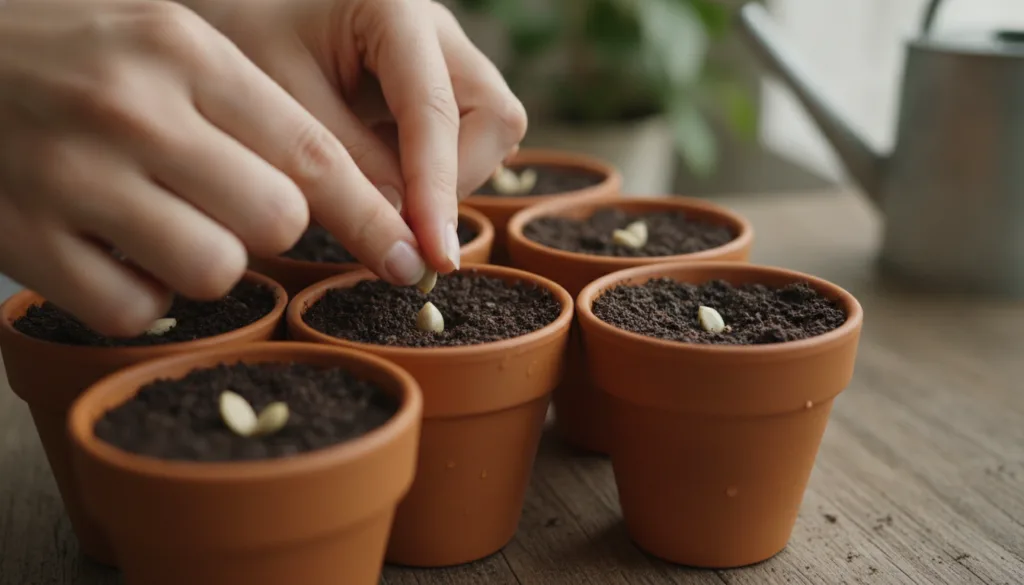
Fill your small pots or seed trays with a good quality, well-draining potting mix. Plant each seed about ½ inch (1.25 cm) deep in the center of a pot. If you’re using a tray, space them a few inches apart. Lightly cover the seeds with soil.
Step 4: Create the Right Environment
Water the soil gently until it’s moist but not soggy. Then, cover the pots with plastic wrap or a clear plastic dome to create a mini-greenhouse effect. This helps maintain consistent humidity, which is crucial for germination. Place your pots in a warm spot, ideally between 68-80°F (20-27°C). A sunny windowsill or a spot near a heater works well.
Step 5: Care for Your Seedlings
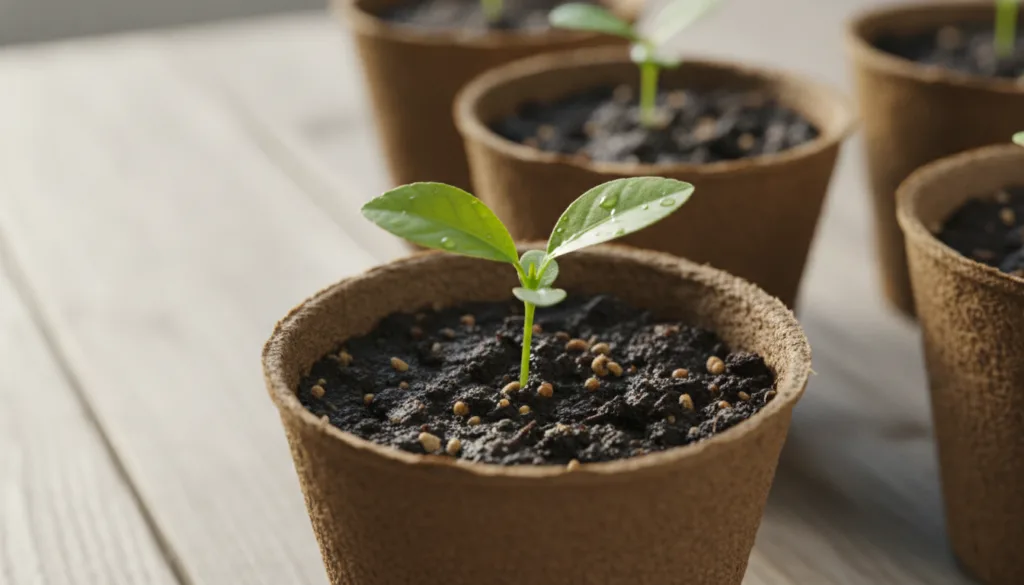
Check the soil daily and mist it with water if it starts to dry out. Avoid overwatering. Germination can take anywhere from a few days to a few weeks. Once you see small green shoots emerging, remove the plastic covering. Your seedlings will need plenty of light – at least 10-14 hours a day. If natural light isn’t sufficient, consider using a grow light.
Step 6: Transplanting
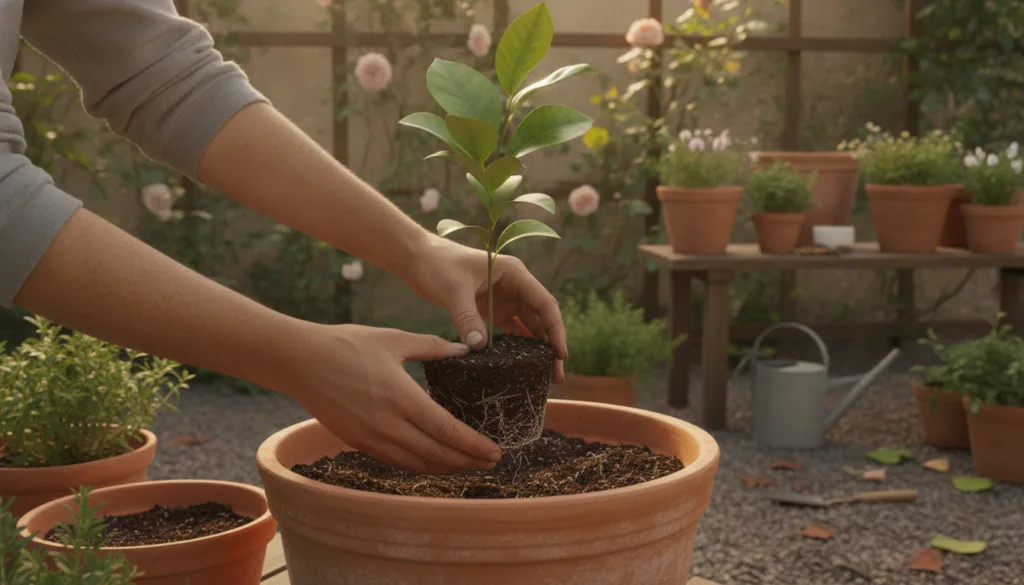
When your lemon seedlings have developed a few sets of true leaves (not the initial seed leaves) and are about 4-6 inches (10-15 cm) tall, they’re ready to be transplanted into larger pots. Choose a pot that’s at least 6-8 inches (15-20 cm) in diameter with good drainage holes. Carefully transfer the seedling, trying not to disturb the roots too much.
Step 7: Long-Term Care for Your Lemon Tree
- Sunlight: Lemon trees love sun! Provide at least 6-8 hours of direct sunlight daily.
- Watering: Water deeply when the top inch of soil feels dry. Ensure good drainage to prevent root rot.
- Fertilizing: Feed your young tree with a balanced citrus fertilizer during the growing season (spring and summer) according to product instructions.
- Pruning: Prune to shape your tree and encourage bushier growth. Remove any dead or crossing branches.
- Pest Control: Keep an eye out for common pests like aphids or spider mites. Address them quickly with organic pest control methods if necessary.
- Winter Care: If you live in a colder climate, bring your lemon tree indoors before the first frost. Place it in a sunny window or under grow lights.
Common Challenges and Troubleshooting
Growing a lemon tree from seed can be a test of patience, and you might encounter a few hurdles. One common issue is that trees grown from seed may not produce fruit that is ‘true to type’ (identical to the parent fruit) if the parent lemon was a hybrid. Also, it can take 5-15 years for a seed-grown lemon tree to produce fruit. Don’t be discouraged! Enjoy the journey of nurturing your tree, and the fruit will be an added bonus.
If leaves turn yellow, it might indicate overwatering, nutrient deficiency, or a lack of light. Adjust your watering schedule, fertilize, and ensure your tree is getting enough sun.
The Joy of Your Homegrown Lemons
There’s nothing quite like the taste of a lemon you’ve grown yourself. From the initial sprout to a mature tree, every step is a testament to your dedication and love for gardening. Even if it takes years for your tree to bear fruit, the beautiful foliage and fragrant blossoms are rewards in themselves.
So, grab a lemon, extract those seeds, and embark on this wonderful gardening adventure. Happy growing, fellow plant lovers!