Unlock Silky, Hydrated Hair with a Simple 2-Ingredient DIY Mask!
Do you dream of hair that feels incredibly soft, looks radiantly shiny, and flows effortlessly, all without resorting to harsh chemicals or expensive salon treatments? Many of us yearn for that luscious look, but sometimes the journey to healthy, beautiful hair feels complicated.
What if we told you that the secret to transforming your dry, dull locks into a cascade of silky softness might be hiding in your pantry? Prepare to discover a simple, natural remedy that will make your wash day a true pampering experience, leaving your hair feeling utterly revitalized.
Why Your Hair Craves This Natural Solution
In our quest for perfect hair, we often find ourselves overwhelmed by countless products promising miracles. The reality is, many commercial hair products contain sulfates, parabens, and artificial fragrances that can strip your hair of its natural oils, leading to dryness, breakage, and scalp irritation over time. It’s a common misconception that more chemicals mean better results.
This is precisely why there’s a growing movement towards natural wellness and home remedies. People are increasingly seeking simpler, purer ways to care for their bodies, and hair is no exception. If you’re someone who researches ingredients, prefers holistic approaches, and wants to age gracefully with vibrant hair, then understanding the power of natural components is a game-changer. This particular two-ingredient solution has gained popularity because it’s not just effective; it’s gentle, accessible, and supports your hair’s health from the inside out, without the guesswork of complex formulas.
The Magic Behind the Mask: Coconut Milk and Olive Oil
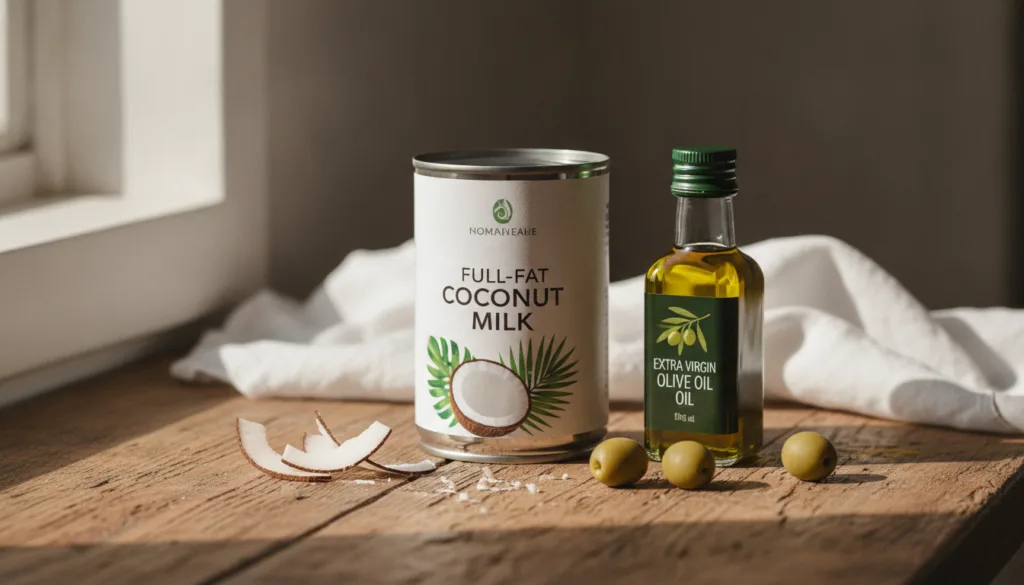
Our star ingredients are none other than coconut milk and olive oil. Separately, they are powerhouses of natural goodness; together, they create a synergistic blend perfect for deep hair hydration and nourishment.
Coconut Milk: A Tropical Treat for Your Tresses
Coconut milk, not to be confused with coconut water or oil, is derived from the grated flesh of mature coconuts. It’s rich in essential fats, particularly lauric acid, and vitamins like C, E, B1, B3, B5, and B6. For centuries, various cultures have embraced coconut milk as a traditional hair conditioner and scalp treatment.
- How it works: The fatty acids in coconut milk are similar in structure to your hair’s natural proteins. Lauric acid, in particular, has a low molecular weight, allowing it to penetrate the hair shaft more easily than many other oils. This deep penetration helps to repair protein loss, strengthen hair, and provide intense moisture, leading to reduced frizz and increased shine.
- Traditional Use: In many tropical regions, coconut milk has been a staple for hair care, used to promote growth, add luster, and treat dry or damaged strands.
- Modern Understanding: While more scientific studies are always emerging, the rich nutrient profile and unique fatty acid composition of coconut milk align well with its observed benefits for hair health, particularly in providing deep conditioning and fortifying the hair cuticle.
Olive Oil: Liquid Gold for Gorgeous Hair
Extra virgin olive oil, a cornerstone of the Mediterranean diet, isn’t just for cooking; it’s a time-honored beauty secret. Packed with antioxidants, vitamin E, and monounsaturated fatty acids, it’s an incredible emollient for skin and hair.
- How it works: Olive oil acts as a protective shield for your hair. It coats the hair shaft, sealing in moisture, taming frizz, and adding a beautiful sheen. Its rich fatty acid content helps to smooth the hair cuticle, making strands feel softer and less prone to tangles. The antioxidants can also help protect hair from environmental damage.
- Traditional Use: Ancient Egyptians, Greeks, and Romans used olive oil for various beauty purposes, including as a hair conditioner to add shine and manageability.
- Modern Understanding: Its emollient properties are well-documented, making it an excellent natural conditioner. It’s particularly beneficial for dry, thick, or damaged hair, improving elasticity and reducing breakage.
Your Practical Guide to the Silky Hair Mask
Ready to whip up this luxurious hair treatment? It’s incredibly simple!
Ingredients:
- ½ cup full-fat coconut milk (canned, unsweetened)
- 2 tablespoons extra virgin olive oil
Preparation:
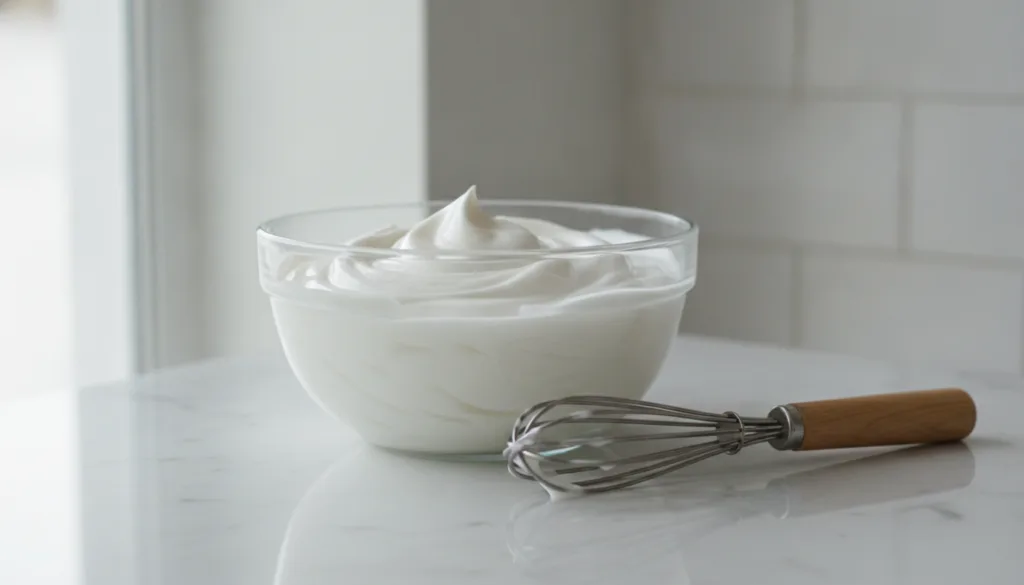
- In a small bowl, combine the ½ cup of coconut milk and 2 tablespoons of olive oil.
- Whisk them together thoroughly until you have a smooth, well-combined mixture. If your coconut milk is very thick or solid (especially in cooler temperatures), you might gently warm it in a saucepan over low heat until it’s liquid, then remove from heat before mixing in the olive oil. Do not boil.
Usage & Application:
- Preparation: Start with dry or slightly damp hair. You don’t need to wash it first, but ensure it’s free of heavy styling products.
- Application: Divide your hair into sections. Using your fingers or a hair coloring brush, generously apply the mask from roots to tips, ensuring every strand is coated. Pay extra attention to your ends, which tend to be the driest.
- Massage: Gently massage the mask into your scalp for a few minutes to stimulate circulation and nourish the hair follicles.
- Cover: Once applied, cover your hair with a shower cap or warm towel. This helps trap heat, allowing the ingredients to penetrate deeper into the hair shaft.
- Wait: Leave the mask on for at least 30 minutes, or for a deeper conditioning treatment, you can leave it on for up to 2 hours.
- Rinse: Rinse your hair thoroughly with cool or lukewarm water until the mask is completely washed out.
- Shampoo & Condition: Follow with your regular shampoo and conditioner. You may need to shampoo twice to ensure all the oil is removed, especially if you have fine hair.
Frequency & Storage:
- Frequency: Use this mask once a week or every two weeks, depending on your hair’s needs.
- Storage: If you have any leftover mixture, store it in an airtight container in the refrigerator for up to 3-5 days. Allow it to come to room temperature before applying.
Safety & Precautions
While natural ingredients are generally well-tolerated, it’s always wise to exercise caution:
- Patch Test: Before applying the mask to your entire head, perform a patch test on a small area of your skin (e.g., behind your ear) to check for any allergic reactions.
- Allergies: If you have a known allergy to coconuts or olives, avoid using this mask.
- Existing Conditions: If you have any scalp conditions like dermatitis or psoriasis, consult with a healthcare professional before trying new home remedies.
- Hair Type: Those with very fine or oily hair may find that a heavy application of olive oil can weigh their hair down. Adjust the amount of olive oil accordingly or focus application more on the mid-lengths and ends.
- Consult Your Doctor: As with any new wellness practice, if you have concerns or existing medical conditions, it’s always best to consult your doctor or a dermatologist.
Key Takeaways
- A simple, 2-ingredient mask with coconut milk and olive oil can deeply nourish and hydrate your hair.
- Coconut milk provides essential fatty acids, particularly lauric acid, for deep penetration and repair.
- Olive oil offers intense moisture, shine, and protection against environmental damage.
- This DIY mask helps reduce frizz, improve softness, and promote overall hair vitality.
- Apply the mask generously, leave on for 30 minutes to 2 hours, and rinse thoroughly.
- Always perform a patch test and be mindful of any allergies or existing scalp conditions.
FAQ
Q1: Can I use light coconut milk instead of full-fat?
A1: For the best moisturizing benefits, full-fat coconut milk is recommended as it contains more of the beneficial fats your hair needs.
Q2: Is this mask suitable for all hair types?
A2: While generally beneficial, those with very fine or oily hair might want to reduce the amount of olive oil or focus the application on their hair’s mid-lengths and ends to avoid weighing it down.
Q3: How often should I use this hair mask?
A3: Once a week or every two weeks is a good starting point. Adjust based on how your hair responds and its level of dryness or damage.
Q4: Can I add other ingredients to this mask?
A4: For this specific 2-ingredient recipe, we’re keeping it simple. However, once you’re comfortable, you could explore adding a drop of essential oil (like rosemary or lavender for hair health) or a tablespoon of honey for extra humectant properties, but always research their safety and benefits first.
Q5: Will this mask make my hair greasy?
A5: If not rinsed out thoroughly, it could. Ensure you shampoo your hair well after rinsing the mask, possibly even twice, to remove all residue. Using lukewarm water helps emulsify the oils for easier rinsing.
Related Reading
- The Power of Herbal Conditioners: Natural Ways to Boost Hair Health
- DIY Scalp Scrubs: Gentle Exfoliation for a Healthy Mane
- Understanding Your Hair Type: Customizing Your Natural Hair Care Routine
- Foods for Fabulous Hair: Nutrition from the Inside Out