Transform Your Outdoor Space: Crafting a Garden Oasis Around Your Porch Swing
There’s something uniquely inviting about a porch swing—a gentle sway, a quiet moment, a connection to the natural world just beyond your door. While the idea of repurposing an old door into a charming swing is a brilliant way to add character to your home, the real magic happens when you thoughtfully integrate it into your garden or outdoor living space. It’s not just about the swing itself; it’s about creating an entire sanctuary that nurtures both you and the plants around you. By blending sustainable DIY with mindful plant choices and care, you can craft a captivating retreat perfect for relaxation and reflection. Let’s explore how to cultivate that serene, plant-filled haven around your new favorite spot.
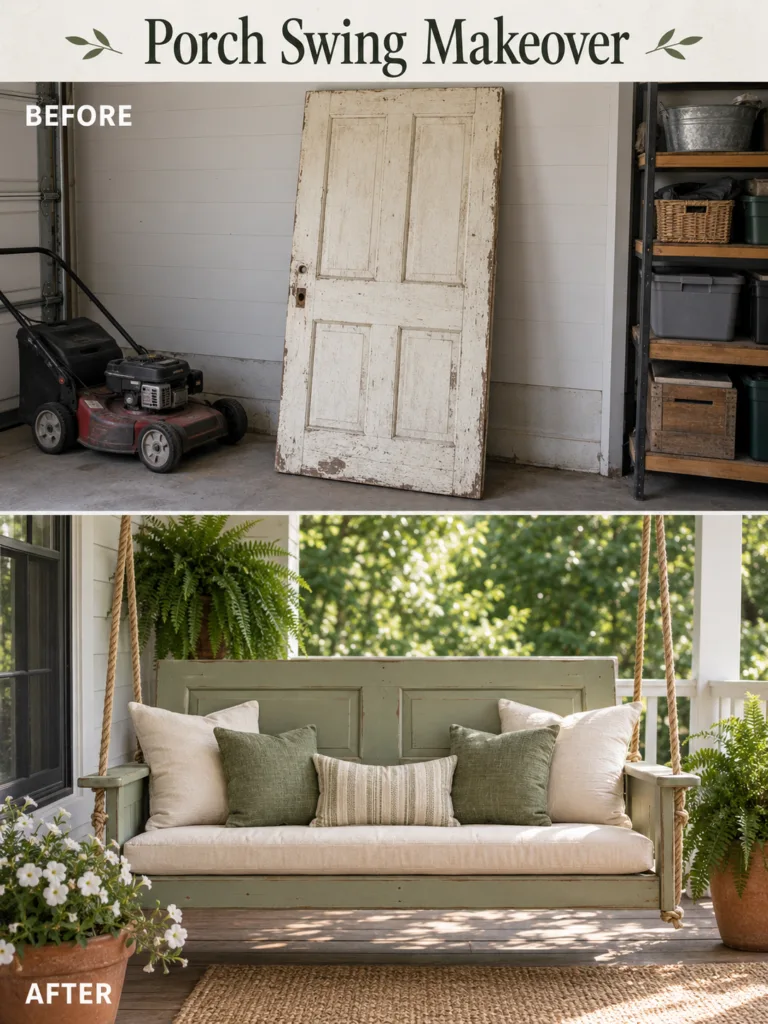
The Art of Repurposing: More Than Just a Swing
Repurposing an old door into a porch swing is a fantastic example of sustainable gardening and home design. It transforms a discarded item into a functional, beautiful focal point. But once the structural work is done, your task as a gardener begins: to soften the edges, enhance the comfort, and invite nature into this newly created space. Think of your porch swing as the centerpiece of a living tableau, framed by vibrant foliage and fragrant blooms.
Crafting the Perfect Planted Porch Setting
The plants you choose for your porch swing area will define its mood and character. Whether you’re aiming for a lush, tropical feel or a cottage garden charm, thoughtful plant selection is key.
Selecting Your Porch Plants: Considerations
Before diving into specific plants, consider these factors:
- Sunlight Exposure: Observe how much direct sun your porch receives throughout the day. Is it full sun (6+ hours), partial sun/shade (3-6 hours), or full shade (less than 3 hours)?
- Container Size: Choose pots that are appropriately sized for your mature plants. Too small, and plants will be stressed and require constant watering.
- Drainage: Ensure all containers have drainage holes to prevent waterlogging, which is detrimental to most plants.
- Maintenance: How much time do you want to dedicate to watering, pruning, and feeding?
Ferns: Lush Greenery for Shaded Comfort
As seen in the image, ferns are an excellent choice for creating a lush, serene atmosphere, especially in shadier porch spots. Their delicate, feathery fronds bring a sense of natural tranquility.
- Boston Fern (Nephrolepis exaltata):
- Hardiness: Zones 9-11 (typically grown as an annual or houseplant elsewhere)
- Plant type: Perennial (in warm climates), houseplant
- Exposure: Partial to full shade; avoid direct afternoon sun
- Height: 1-3 feet
- Spread: 2-4 feet
- Care Tip: Boston ferns thrive in high humidity. Mist them regularly or place their pots on a pebble tray filled with water. Keep the soil consistently moist but not soggy. They appreciate consistent temperatures, ideally above 55°F (13°C).
- Maidenhair Fern (Adiantum spp.):
- Hardiness: Zones 8-10 (species dependent)
- Plant type: Perennial (in warm climates), houseplant
- Exposure: Partial to full shade
- Height: 1-2 feet
- Spread: 1-2 feet
- Care Tip: These ferns are notoriously sensitive to drying out. Consistent moisture and high humidity are critical.
Petunias: Cascading Color for Sunny Spots
If your porch receives ample sunlight, petunias are a fantastic choice to add a vibrant splash of color, as depicted in the ‘after’ image. Their prolific blooms and trailing habit make them ideal for hanging baskets and container edges.
- Common Petunia (Petunia x hybrida):
- Hardiness: Annual in most zones; perennial in zones 9-11
- Plant type: Annual/Tender Perennial
- Exposure: Full sun (at least 6 hours of direct sun for best blooming)
- Height: 6-18 inches (mounding types), 12-36 inches (trailing types)
- Spread: 1-4 feet (trailing types can spread wider)
- Care Tip: Petunias are heavy feeders and require consistent moisture. Fertilize every 2-4 weeks with a balanced liquid fertilizer, especially for container-grown plants. Deadhead (remove spent blooms) regularly to encourage continuous flowering and prevent seed formation, which diverts energy from new blossoms.
Beyond Ferns and Petunias: Other Porch Favorites
Expand your porch garden with these versatile options:
- Impatiens (Impatiens walleriana or New Guinea Impatiens Impatiens hawkeri): Perfect for shade (classic impatiens) or partial sun (New Guinea impatiens), offering continuous blooms in a wide range of colors. They require consistently moist soil.
- Fuchsias (Fuchsia spp.): Known for their intricate, pendulous flowers, fuchsias thrive in partial shade and add a touch of elegance to hanging baskets.
- Geraniums (Pelargonium spp.): Classic porch plants, available in various colors and forms, from upright zonal geraniums to trailing ivy-leaf varieties. They prefer full sun and well-draining soil, tolerating some drought.
- Herbs (e.g., Mint, Rosemary, Thyme): Edible and fragrant, herbs like mint (in its own container to prevent spreading), rosemary, and thyme can add sensory delight to your porch, especially if you enjoy cooking.
- Caladiums (Caladium spp.): For a splash of dramatic foliage color in shady spots, caladiums offer stunning leaf patterns in shades of red, pink, white, and green.
Essential Plant Care for Your Porch Haven
To ensure your porch garden thrives around your swing, follow these practical gardening tips:
Understanding Light and Location
Before placing any plant, observe the sun’s path across your porch. North-facing porches are often shadier, while south-facing porches receive the most sun. East-facing porches get morning sun, and west-facing get hot afternoon sun. Match your plant selections to these specific light conditions for optimal growth and flowering.
Watering Wisdom for Containers
Container plants dry out faster than those in the ground. Check soil moisture daily by sticking your finger about an inch or two into the soil. If it feels dry, it’s time to water. Water until you see it draining from the bottom of the pot. Avoid frequent, shallow watering, which encourages weak root systems.
Soil and Nutrition
Use a high-quality potting mix, not garden soil, for containers. Potting mixes are designed to provide good drainage, aeration, and moisture retention. Most container plants benefit from regular feeding. A slow-release granular fertilizer mixed into the soil at planting or a diluted liquid fertilizer applied every 2-4 weeks during the growing season will keep them healthy and vibrant.
Pruning and Maintenance
Regular pruning encourages bushier growth and more blooms. Pinch back leggy stems to promote branching. Remove any yellowing leaves or spent flowers (deadheading) to keep plants looking their best and direct energy toward new growth. Inspect your plants regularly for signs of pests or diseases; early detection makes control much easier.
Avoiding Common Porch Garden Pitfalls
- Overwatering: This is the most common killer of container plants. Roots need oxygen, and saturated soil suffocates them. Ensure good drainage and let the top inch or two of soil dry out between waterings.
- Under-fertilizing: Container plants quickly deplete nutrients from their limited soil volume. Don’t forget to feed them regularly.
- Ignoring Light Requirements: Putting a sun-loving plant in deep shade or a shade-lover in scorching sun will lead to disappointment. Always check plant tags for light needs.
- Overcrowding: Give your plants enough space in their containers to grow. Overcrowded plants compete for resources and have poor air circulation, making them prone to disease.
Regional Considerations for Porch Gardens Across the U.S.
The beauty of a porch garden is its adaptability, but regional climate differences across the United States play a significant role:
- Northern Climates (USDA Zones 3-5): Most porch plants will be grown as annuals, even those that are perennials in warmer zones. Plan for seasonal rotation, bringing tender perennials indoors before the first frost.
- Mid-Atlantic and Midwest (USDA Zones 6-8): You have a longer growing season for annuals and a wider selection of tender perennials that can survive mild winters with some protection or be overwintered indoors.
- Southern and Western Climates (USDA Zones 9-11): Many tropical and subtropical plants can thrive year-round. Pay attention to summer heat and humidity; some plants may need more afternoon shade in these regions. Consider drought-tolerant options for drier areas.
Always consult your local extension office for specific planting dates and plant recommendations tailored to your microclimate. Frost dates are crucial for annual planting, and soil temperature matters when bringing plants out in spring.
Your Repurposed Porch Swing, Your Garden Retreat
A porch swing made from a repurposed door isn’t just a piece of furniture; it’s an invitation to slow down and enjoy the beauty of your surroundings. By carefully selecting plants, providing them with the right care, and understanding your local climate, you can transform a simple sitting area into a thriving garden oasis. So, gather your gardening tools, pick out some beautiful plants, and get ready to create a welcoming outdoor space where every moment is a breath of fresh air.