When it comes to snacking, our choices can significantly impact our overall health and wellness. We’re often faced with a tempting array of options, each with its own appeal. But what if you had to make a tough decision? What if, for the sake of a healthier lifestyle, one beloved snack platter had to go?
Welcome to the ultimate snack wisdom test! We’re putting five popular platters on the table and challenging you to decide: Which one are you willing to ditch? This isn’t just a fun game; it’s an opportunity to reflect on your snack choices and understand their nutritional implications. Let’s dive into each option and help you make an informed decision for a healthier you.
The Snack Platter Lineup: A Closer Look
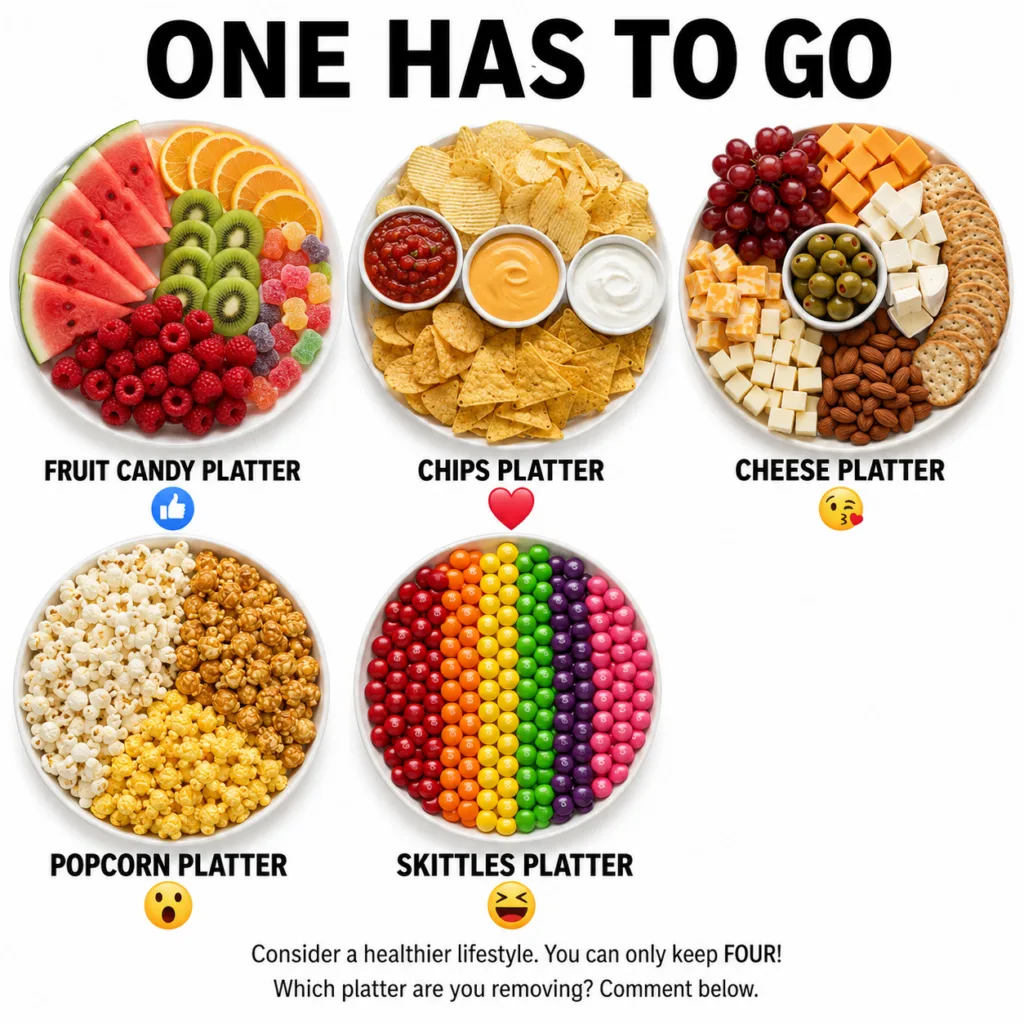
Here are the contenders in our ‘One Has to Go’ challenge. Let’s explore what each platter typically offers in terms of nutrition, and why you might consider keeping or removing it from your rotation.
1. Fruit Candy Platter
This platter often features a mix of refreshing fruits like watermelon, oranges, kiwi, and raspberries, alongside gummy candies. It presents a dichotomy: the natural goodness of fruit versus the processed sweetness of candy.
- The Good: Fruits are packed with vitamins, minerals, fiber, and antioxidants, crucial for overall health and digestion. They provide natural sugars along with fiber, which helps regulate blood sugar.
- The Not-So-Good: Gummy candies, while tempting, are typically high in added sugars, artificial colors, and lack significant nutritional value. They can lead to sugar spikes and provide empty calories.
- Decision Point: If you’re focused on reducing added sugar intake and artificial ingredients, the candy portion makes this platter a potential candidate for elimination, or at least a significant modification towards more fruit and less candy.
2. Chips Platter
A classic party favorite, the chips platter typically includes various ridged and triangular chips served with indulgent dips like salsa, cheese dip, and sour cream.
- The Good: Salsa can offer some fresh vegetables and antioxidants. Some whole-grain chips may provide a bit of fiber.
- The Not-So-Good: Most chips are highly processed, high in sodium, unhealthy fats (trans and saturated fats), and often provide little to no nutritional value. Cheese dips and sour cream add significant calories, saturated fat, and sodium. Regular consumption of such snacks is commonly associated with increased risk of heart disease and weight gain.
- Decision Point: For those looking to cut down on processed foods, unhealthy fats, and sodium, the chips platter is often one of the first to go. Opting for baked chips, veggie sticks, or healthier dips like hummus can be better alternatives if you crave the crunch.
3. Cheese Platter
An elegant option, a cheese platter typically boasts an assortment of cheeses, complemented by grapes, olives, almonds, and crackers.
- The Good: Cheese is an excellent source of protein and calcium, vital for bone health and muscle function. Almonds provide healthy fats, fiber, and protein. Grapes and olives offer antioxidants.
- The Not-So-Good: While delicious, cheese can be high in saturated fat and sodium. Portion control is key. Crackers, depending on the type, can add refined carbohydrates and sodium.
- Decision Point: This platter offers a good balance of macronutrients but requires mindful eating due to its calorie and fat content. If you’re managing cholesterol or calorie intake, you might choose to limit portions or opt for lower-fat cheese varieties and whole-grain crackers.
4. Popcorn Platter
This platter often features different popcorn variations: plain, caramel, cheese, and buttered popcorn.
- The Good: Plain popcorn is a whole grain, rich in fiber, which aids digestion and can promote satiety. It’s a relatively low-calorie snack when prepared simply.
- The Not-So-Good: Flavored popcorns (caramel, cheese, butter) often come loaded with added sugars, unhealthy fats, and excessive sodium. The buttered varieties can be high in saturated fats, and caramel popcorn is essentially a dessert.
- Decision Point: The plain popcorn is a healthy snack hero, but the flavored versions can quickly undermine its benefits. If you’re committed to reducing sugar and unhealthy fats, the heavily flavored popcorns make this platter a strong contender for modifications or removal, focusing instead on air-popped, lightly seasoned popcorn.
5. Skittles Platter
A vibrant display of colorful, sugar-coated candies, often arranged in a rainbow.
- The Good: From a nutritional standpoint, there isn’t significant ‘good’ here. It offers a quick burst of energy due to sugar.
- The Not-So-Good: Skittles are almost entirely composed of added sugars, artificial colors, and flavorings. They provide minimal to no vitamins, minerals, fiber, or protein. Regular consumption can contribute to dental issues, blood sugar imbalances, and offers empty calories.
- Decision Point: For anyone prioritizing a healthier lifestyle, reducing added sugars, and avoiding artificial ingredients, the Skittles platter is almost always the first to be considered for elimination due to its lack of nutritional value.
Making Your Choice: A Framework for Healthier Snacking
Now that you’ve reviewed each platter, which one would you remove? This challenge highlights how different snacks fit into a healthy eating pattern. Here’s a quick framework to guide your decision-making for healthier snack choices in general:
- Nutrient Density: Does the snack provide vitamins, minerals, fiber, or protein, or is it mostly empty calories?
- Added Sugar Content: How much added sugar does it contain? High-sugar snacks can lead to energy crashes and contribute to various health issues.
- Processed Ingredients: Is it highly processed with artificial flavors, colors, and preservatives? Whole, unprocessed foods are generally better.
- Healthy Fats vs. Unhealthy Fats: Does it contain beneficial monounsaturated or polyunsaturated fats, or is it high in saturated and trans fats?
- Portion Control: How easy is it to overeat this snack? Some snacks are inherently more calorie-dense.
Tips for Cultivating Healthier Snack Habits
Beyond this ‘One Has to Go’ challenge, here are practical ways to elevate your everyday snacking:
- Plan Ahead: Just like meals, plan your snacks. This helps prevent impulsive, less healthy choices.
- Focus on Whole Foods: Prioritize fruits, vegetables, nuts, seeds, and lean protein sources.
- Read Labels: Always check the nutrition facts for added sugars, sodium, and unhealthy fats, especially for packaged snacks.
- Hydrate First: Sometimes, thirst can be mistaken for hunger. Drink a glass of water before reaching for a snack.
- Mindful Snacking: Pay attention to your body’s hunger cues and savor your snack. Avoid eating while distracted.
Considering ‘best healthy snacks’ and ‘high protein low calorie meals’ can guide you towards satisfying options that support your wellness goals. For instance, pairing an apple with a tablespoon of peanut butter, a handful of almonds, or Greek yogurt with berries can be excellent choices.
Frequently Asked Questions About Healthy Snacking
Q: What are the best healthy snacks for weight loss?
A: Focus on high-protein and high-fiber snacks that promote satiety. Examples include Greek yogurt, hard-boiled eggs, apples with peanut butter, a handful of almonds, or vegetable sticks with hummus. These help you feel fuller for longer and may support a calorie deficit meal plan.
Q: How can I reduce my sugar intake from snacks?
A: Start by eliminating obvious sources like candy (Skittles Platter) and sugary drinks. Replace them with fresh fruit, plain yogurt, or unsweetened nuts. Gradually reduce the sugar in your coffee and tea, and be mindful of ‘hidden’ sugars in seemingly healthy snacks.
Q: Are all types of popcorn healthy?
A: No. Plain, air-popped popcorn is a whole grain and can be healthy. However, movie theater popcorn or heavily flavored types (caramel, cheese, butter) are often loaded with unhealthy fats, sodium, and sugar, making them less healthy choices.
Q: What are some good high protein breakfast ideas that can also be snacks?
A: Greek yogurt parfaits with berries and a sprinkle of nuts, cottage cheese with fruit, or a protein smoothie (using best protein powder) can serve as both satisfying breakfasts and substantial snacks.
Final Thoughts
The ‘One Has to Go’ challenge is a fun, engaging way to evaluate our snack habits. While it asks for one elimination, the real takeaway is understanding the nutritional landscape of what we eat. Every choice we make contributes to our overall well-being. By opting for more nutrient-dense, less processed options, we can significantly improve our health. So, which platter did you choose to remove? Share your thoughts and continue making smart, delicious choices for your health!