Every gardener dreams of a vibrant, thriving vegetable patch, overflowing with fresh produce. But sometimes, tiny invaders have other plans! Pests can quickly turn your green dreams into a nightmare, munching on leaves, stunting growth, and reducing your harvest. Before you reach for harsh chemicals, consider the power of nature’s own solutions!
At Garden – L. Quyên, we believe in sustainable, easy-to-understand gardening. That’s why we’re sharing our favorite DIY natural pest control sprays that will help protect your precious vegetable plants without harming the environment, beneficial insects, or your family.
Why Choose Natural Pest Control?
Opting for DIY natural pest control methods offers numerous benefits for your garden and beyond:
- Safety: Natural sprays are generally safer for you, your pets, and beneficial insects like bees and ladybugs, which are crucial for pollination and natural pest suppression.
- Eco-Friendly: They don’t introduce harmful chemicals into your soil or water systems, supporting a healthier ecosystem.
- Cost-Effective: You can often make these sprays using ingredients you already have in your pantry, saving you money.
- Healthy Harvest: Enjoy peace of mind knowing your homegrown vegetables are free from synthetic residues.
Our Top DIY Natural Pest Control Sprays
1. Garlic Spray: The Potent Repellent
Garlic isn’t just for cooking; its strong scent and natural sulfur compounds make it a fantastic pest deterrent. It’s particularly effective against aphids, spider mites, cabbage worms, and even slugs.
Ingredients:
- 6-8 cloves of garlic (peeled)
- 2 cups of water
- 1 teaspoon liquid dish soap (mild, biodegradable, and free of degreasers/bleach)
Instructions:
- Blend the garlic cloves with 1 cup of water until smooth.
- Strain the mixture through a cheesecloth or fine-mesh sieve, pressing out all the liquid. Discard the solids.
- Mix the garlic liquid with the remaining 1 cup of water and the liquid dish soap.
- Pour the mixture into a spray bottle.
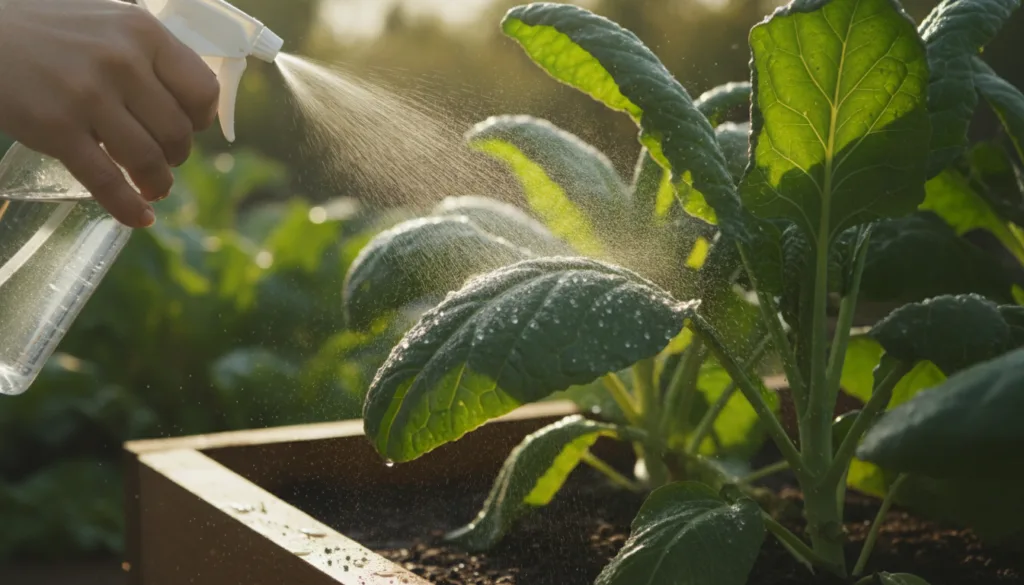
- To Use: Spray directly onto affected plants, focusing on the undersides of leaves where pests often hide. Apply every 3-5 days, especially after rain, until the pest problem subsides.
2. Neem Oil Spray: The Organic All-Rounder
Neem oil, extracted from the neem tree, is a powerful organic pesticide, fungicide, and miticide. It works by disrupting pests’ feeding and breeding cycles, rather than instantly killing them. It’s effective against a wide range of pests, including aphids, whiteflies, spider mites, mealybugs, and even some fungal diseases.
Important Note: Always use 100% cold-pressed neem oil and follow the instructions on the product label for dilution, as concentrations can vary. Mix it with water and a tiny bit of mild liquid soap (as an emulsifier) just before use.
General Instructions:
- Mix 1-2 teaspoons of 100% cold-pressed neem oil with 1 teaspoon of mild liquid dish soap in 1 quart (about 1 liter) of warm water.
- Shake well to combine.
- To Use: Spray thoroughly on all plant surfaces, including the undersides of leaves, until dripping wet. Apply every 7-14 days as a preventative or every 5-7 days for an active infestation. Apply in the evening to avoid harming beneficial insects and prevent leaf burn.
3. Dish Soap Spray: The Simple Solution
A simple soap spray can be incredibly effective against soft-bodied insects like aphids, whiteflies, spider mites, and thrips. The soap breaks down their protective outer layer, causing dehydration.
Ingredients:
- 1-2 tablespoons mild liquid dish soap (make sure it’s free of degreasers, bleach, and harsh chemicals)
- 1 gallon (about 3.8 liters) of water
Instructions:
- Mix the dish soap thoroughly with the water in a spray bottle.
- To Use: Spray directly onto the pests and affected plant parts. Test on a small area first to ensure your plants aren’t sensitive to the soap concentration. Reapply every 4-7 days as needed.
Beyond Sprays: Integrated Pest Management Tips
While DIY sprays are excellent tools, a holistic approach to pest control will give you the best results:
- Regular Inspection: Check your plants daily for any signs of pests. Catching an infestation early makes it much easier to manage.
- Hand-Picking: For larger pests like tomato hornworms or slugs, sometimes the simplest solution is to pick them off by hand.
- Companion Planting: Plant herbs and flowers that naturally repel pests (e.g., marigolds, nasturtiums, basil) or attract beneficial insects (e.g., dill, parsley, cosmos).
- Good Garden Hygiene: Remove diseased leaves and plant debris, as these can harbor pests and diseases. Rotate your crops to prevent pest build-up in the soil.
- Healthy Soil & Strong Plants: Healthy plants are more resilient to pest attacks. Ensure your soil is rich in organic matter and provide adequate water and nutrients.
Start Protecting Your Harvest Today!
Embracing natural pest control is a rewarding step towards a healthier, more sustainable garden. With these simple DIY solutions and good gardening practices, you’ll be well on your way to unlocking your garden’s full potential and enjoying bountiful, pest-free harvests.
Do you have a favorite natural pest control method? Share your tips with us in the comments!