Ever finished a delicious meal only to feel your stomach start to protest, leaving you with that uncomfortable, swollen sensation we all know as bloat? It’s a common complaint, and while it can be frustrating, sometimes the most comforting solutions are rooted in nature’s simplest gifts.
Today, we’re inviting you to discover the soothing power of a time-honored blend: ginger and peppermint tea. This natural duo isn’t just a delightful beverage; it’s a warm, gentle embrace for your digestive system, offering a practical path to feeling better, naturally.
Why This Matters: Understanding the Bloat Battle
Bloating isn’t just a minor annoyance; for many, it can disrupt daily comfort and well-being. Whether it’s due to eating too quickly, certain foods, or even stress, that feeling of fullness and pressure can leave us searching for relief.
In a world full of quick fixes, many of us are increasingly turning to natural wellness approaches to support our bodies. This curiosity-driven search often leads to rediscovering traditional remedies that have stood the test of time, and ginger and peppermint tea is a shining example. It’s popular because it offers a gentle, accessible, and often effective way to calm a troubled tummy without reaching for harsher alternatives.
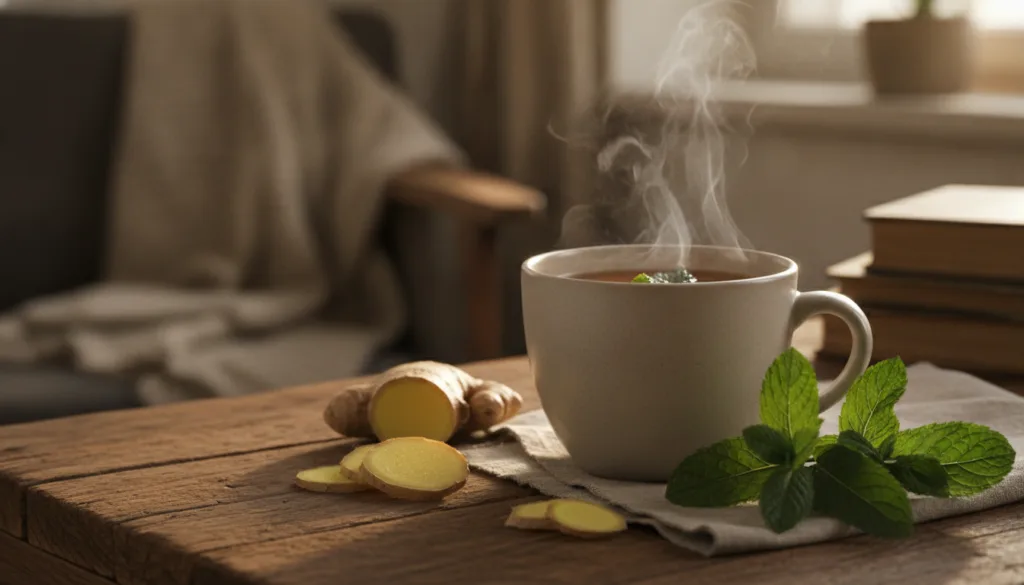
The Dynamic Duo: How Ginger & Peppermint Work Their Magic
Both ginger and peppermint have long been celebrated for their unique contributions to digestive health. When combined, they create a powerful synergy that can bring gentle relief to a bloated belly.
Ginger: The Warming Digestive Stimulant
Ginger, with its distinctive spicy kick, has been a staple in traditional medicine systems, including Ayurveda and Chinese medicine, for thousands of years. It’s much more than just a flavor enhancer!
- Traditional Use: Ginger is traditionally used to ease nausea, stimulate digestion, and reduce discomfort.
- Modern Understanding: The key bioactive compounds in ginger, particularly gingerols and shogaols, are known for their anti-inflammatory and antispasmodic properties. They can help speed up gastric emptying, moving food through the digestive tract more efficiently, which can reduce the sensation of fullness and gas.
Peppermint: The Cooling Calmer
Peppermint, with its refreshing aroma and cooling sensation, has its own rich history in soothing digestive woes.
- Traditional Use: Peppermint has been traditionally used to relieve indigestion, gas, and calm muscle spasms in the digestive tract.
- Modern Understanding: The primary active component in peppermint is menthol, which is believed to have a relaxing effect on the smooth muscles of the gastrointestinal tract. This antispasmodic action can help ease cramping and allow trapped gas to move more freely, providing a sense of relief from bloating.
Together, ginger’s warming, stimulating action combines perfectly with peppermint’s cooling, calming effects to create a balanced approach to digestive wellness. They don’t just mask symptoms; they gently encourage your digestive system to function more smoothly.
Your Practical Guide to Making Ginger & Peppermint Tea
Brewing this soothing tea is incredibly simple, requiring just a few fresh ingredients. For best results, we recommend using fresh ginger and mint.
What You’ll Need:
- 1-2 inches of fresh ginger root
- A small handful of fresh peppermint leaves (about 8-10 leaves)
- 2 cups of filtered water
- Optional: A slice of lemon or a drizzle of honey for taste
Simple Preparation Steps:
- Prepare the Ginger: Wash the ginger root thoroughly. You don’t necessarily need to peel it if it’s organic and clean. Slice the ginger into thin rounds or small pieces. For a stronger tea, you can grate it.
- Prepare the Peppermint: Gently rinse the fresh peppermint leaves. You can leave them whole or lightly tear them to release more oils.
- Combine & Steep: In a small saucepan, bring 2 cups of filtered water to a boil. Once boiling, add the sliced or grated ginger and the peppermint leaves.
- Simmer: Reduce the heat to low, cover the saucepan, and let it simmer gently for 5-10 minutes. The longer you simmer, the stronger the flavor and beneficial compounds will be.
- Strain & Serve: Remove the saucepan from the heat. Strain the tea into a mug, discarding the ginger and mint pieces.
- Enjoy: Sip your warm, comforting tea. If desired, add a slice of lemon or a touch of honey for extra flavor.
Usage Tips:
- Enjoy this tea after meals, especially if you anticipate or feel bloating.
- You can make a larger batch and store it in the refrigerator for up to 2 days, reheating gently before drinking.
- Adjust the amount of ginger and mint to suit your taste preference.
Safety & Precautions: Savoring Responsibly
While ginger and peppermint tea are generally safe for most people, it’s always wise to be aware of potential considerations:
- Acid Reflux/GERD: Peppermint can sometimes relax the sphincter between the esophagus and stomach, potentially worsening acid reflux symptoms for some individuals. If you experience this, you might consider reducing the peppermint or opting for ginger tea alone.
- Blood Thinners: Ginger has mild blood-thinning properties. If you are taking anticoagulant medications, consult your healthcare professional before consuming large amounts of ginger.
- Pregnancy: While ginger is often used to alleviate morning sickness, it’s best to discuss any herbal remedies, including ginger and peppermint tea, with your doctor during pregnancy.
- Allergies: Though rare, some individuals may be allergic to ginger or peppermint.
Always listen to your body, and if you have any existing medical conditions or are on medication, it’s a good practice to consult with a healthcare professional before incorporating new herbal remedies into your routine.
Key Takeaways for a Happier Tummy
- Natural Relief: Ginger and peppermint tea offer a gentle, natural approach to ease bloating and digestive discomfort.
- Synergistic Power: Ginger helps stimulate digestion and reduce inflammation, while peppermint relaxes digestive muscles and eases gas.
- Easy to Prepare: A comforting cup can be made quickly with fresh ingredients at home.
- Consult a Pro: Always consider your personal health situation and consult a healthcare professional, especially if you have underlying conditions or are pregnant.
FAQ: Your Questions Answered
How often can I drink ginger and peppermint tea?
For most healthy adults, enjoying 1-3 cups a day after meals is generally considered safe and beneficial for digestive support.
Can I use dried ginger and peppermint?
Yes, you can use dried ginger (about 1 teaspoon per cup) and dried peppermint leaves (about 1 tablespoon per cup), though fresh ingredients often provide a more potent flavor and higher concentration of beneficial compounds.
Is this tea safe for children?
While often gentle, it’s always best to consult a pediatrician before giving herbal teas to young children.
Does this tea help with other digestive issues like nausea or indigestion?
Ginger is well-known for its anti-nausea properties, and both ginger and peppermint can help soothe general indigestion, making this tea a versatile digestive aid.
Related Reading You Might Enjoy
If you loved learning about this simple sip for digestive comfort, you might also be interested in:
- Natural Remedies for Indigestion: Beyond the Basics
- Herbs for a Happy Gut: Supporting Digestive Wellness Naturally
- Anti-inflammatory Foods: Eating Your Way to Better Health
- Boosting Your Immunity with Everyday Spices