Does every step feel like a struggle due to painful, cracked heels? You’re not alone! Many of us experience the discomfort of dry, hardened skin on our feet, especially as we age or during certain seasons. But what if the secret to softer, happier feet was already within reach, using simple ingredients you likely have in your home right now?
Imagine slipping into your favorite sandals without a second thought, or walking barefoot on soft grass without a wince. It might sound like a dream, but with a few natural remedies and consistent care, that dream can become your reality. Let’s uncover how to soothe and heal those cracked heels and say goodbye to dryness for good!
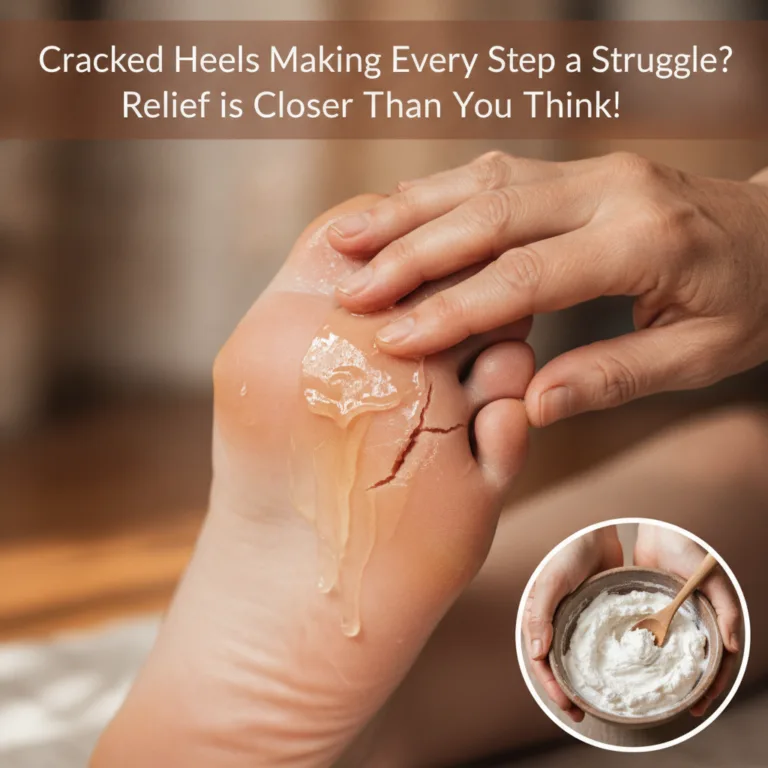
Why Those Cracks Matter More Than You Think
Cracked heels, medically known as heel fissures, aren’t just an aesthetic concern; they can cause real discomfort and even lead to more serious issues if left untreated. For many, the problem starts with dry skin that loses its elasticity, often exacerbated by factors like:
- Lack of moisture: Dry climates, hot showers, or harsh soaps can strip skin of natural oils.
- Prolonged standing: Pressure on the heels can cause the skin to expand sideways, leading to cracks.
- Open-backed shoes: Sandals or flip-flops can allow fat pads to expand sideways, increasing pressure.
- Nutritional deficiencies: A lack of certain vitamins and minerals can impact skin health.
- Aging: Our skin naturally becomes drier and less elastic as we get older.
While various commercial products promise quick fixes, many people are turning to natural remedies for a gentle, holistic approach. These home-based solutions often leverage ingredients known for their moisturizing, healing, and anti-inflammatory properties, offering a pathway to relief that feels both accessible and trustworthy.
The Power of Nature: Healing Ingredients for Your Feet
Our kitchens and pantries hold a treasure trove of ingredients that can work wonders for cracked heels. Let’s explore some of the most effective:
Honey: Nature’s Humectant and Healer
Traditional Use: Honey has been revered for centuries in traditional medicine for its wound-healing and antibacterial properties.
Modern Understanding: Honey is a natural humectant, meaning it attracts and retains moisture, making it excellent for hydrating dry skin. It also possesses antiseptic and anti-inflammatory qualities that can aid in healing minor cracks and preventing infection.
Coconut Oil: Deeply Moisturizing and Soothing
Traditional Use: Coconut oil is a staple in many cultures for skin and hair care, known for its nourishing benefits.
Modern Understanding: Rich in medium-chain fatty acids, coconut oil deeply penetrates the skin, providing intense moisture and forming a protective barrier to prevent further water loss. Its anti-inflammatory properties can also help soothe irritated skin.
Shea Butter: Rich Emollient for Intense Hydration
Traditional Use: Shea butter, derived from the nuts of the African shea tree, has been used for generations to protect and moisturize skin, particularly in dry climates.
Modern Understanding: A powerhouse of vitamins A, E, and F, shea butter is an excellent emollient that softens and smooths dry, cracked skin. Its high concentration of fatty acids helps to repair the skin’s barrier and improve elasticity.
Olive Oil: A Simple Yet Effective Moisturizer
Traditional Use: Mediterranean cultures have long used olive oil for its skin-nourishing qualities.
Modern Understanding: Packed with antioxidants and healthy fats, olive oil helps to hydrate and repair damaged skin. It can be easily absorbed, providing a natural protective layer without clogging pores.
Epsom Salt: Soothing Soak for Tired Feet
Traditional Use: Soaking in mineral-rich waters has been a common practice for relaxation and muscle relief for centuries.
Modern Understanding: While not directly healing cracks, Epsom salt (magnesium sulfate) soaks can help soften the skin, reduce inflammation, and ease discomfort, preparing the heels for further treatment and making exfoliation easier.
Your Practical Guide to Softer Heels at Home
Ready to give your feet some much-needed TLC? Here are a few simple, natural remedies you can try:
1. The Honey & Warm Water Soak
What you need:
- 1/2 cup honey
- Warm water
- A basin or foot spa
How to do it:
- Fill your basin with warm water.
- Stir in the honey until dissolved.
- Soak your feet for 15-20 minutes.
- Gently scrub your heels with a pumice stone or foot file to remove dead skin.
- Rinse, pat dry, and apply a rich moisturizer.
2. Coconut Oil & Shea Butter Overnight Treatment
What you need:
- 1 tablespoon melted coconut oil
- 1 tablespoon shea butter
- A pair of clean cotton socks
How to do it:
- Mix the melted coconut oil and shea butter together.
- Apply a generous amount of the mixture to your clean, dry heels, massaging it in thoroughly.
- Put on the cotton socks to lock in the moisture and protect your bedding.
- Leave on overnight.
- Repeat nightly for best results.

3. Olive Oil Massage & Wrap
What you need:
- 2 tablespoons warm olive oil
- Plastic wrap or cling film
- Cotton socks
How to do it:
- Warm the olive oil slightly (ensure it’s not too hot).
- Massage the warm oil into your cracked heels for 5-10 minutes.
- Wrap your feet with plastic wrap, then put on cotton socks over the wrap.
- Leave on for at least an hour, or overnight for intensive treatment.
- Remove wrap and socks, and gently wipe off any excess oil.
Frequency & Tips:
- Consistency is key: Apply moisturizers daily, preferably after a shower or bath when your skin is soft.
- Gentle exfoliation: Use a pumice stone or foot file regularly (2-3 times a week) on wet skin, but don’t overdo it, especially if cracks are deep.
- Hydrate from within: Drink plenty of water to keep your skin hydrated throughout your body.
- Wear appropriate footwear: Choose shoes that provide good support and don’t rub or create excessive pressure on your heels.
Safety & Precautions: Listen to Your Feet
While natural remedies are generally safe, it’s important to approach them with caution, especially when dealing with broken skin. Always keep these points in mind:
- Avoid open wounds: Do not apply remedies to deep, bleeding, or infected cracks.
- Patch test: Before applying any new ingredient extensively, test a small amount on a discreet area of your skin to check for allergic reactions.
- Essential oils: If using essential oils (like tea tree or lavender for their antiseptic properties), always dilute them with a carrier oil (like coconut or olive oil) and ensure you are not sensitive to them.
- Medical conditions: If you have diabetes, poor circulation, or any other underlying medical condition that affects foot health, consult your healthcare professional before trying home remedies. Cracked heels can be more serious for individuals with these conditions.
- When to see a doctor: If cracks are deep, painful, bleeding, show signs of infection (redness, swelling, pus), or do not improve with home care, seek medical advice.
Key Takeaways for Happy Heels
- Cracked heels are a common issue that can be effectively managed with natural remedies.
- Ingredients like honey, coconut oil, shea butter, and olive oil offer powerful moisturizing and healing properties.
- Regular foot soaks, exfoliation, and consistent moisturizing are essential for prevention and treatment.
- Always perform a patch test for new ingredients and avoid applying to deep, open wounds.
- Consult a healthcare professional if cracks are severe or if you have underlying health conditions.
FAQ: Your Questions Answered
Q: How long does it take for cracked heels to heal with natural remedies?
A: Healing time varies depending on the severity of the cracks and consistency of treatment. Mild cracks may show improvement within a week, while deeper cracks could take several weeks. Regular, consistent care is key.
Q: Can diet affect cracked heels?
A: Yes, a balanced diet rich in omega-3 fatty acids, zinc, and vitamins C and E can support overall skin health and help prevent dryness and cracking.
Q: Is it okay to walk barefoot if I have cracked heels?
A: While walking barefoot on soft, clean surfaces can feel nice, it’s generally best to wear protective footwear, especially if your heels are cracked. Hard surfaces can exacerbate the problem.
Q: Can lemon juice help with cracked heels?
A: Lemon juice is acidic and some believe it helps exfoliate dead skin. However, it can also be very drying and irritating, especially on cracked or sensitive skin. It’s generally not recommended for direct application to cracked heels.
Q: What’s the best way to prevent cracked heels from returning?
A: Consistent moisture, gentle exfoliation, drinking plenty of water, and wearing supportive, closed-back shoes are your best defenses against cracked heels returning.
Related Reading You Might Enjoy
- The Best Herbal Remedies for Dry Skin
- Natural Anti-Inflammatory Ingredients for Everyday Wellness
- Boosting Your Immune System Naturally: A Beginner’s Guide
- Simple DIY Beauty Recipes for Glowing Skin
- Understanding the Benefits of Healthy Fats in Your Diet