In our fast-paced world, embracing a daily health dose of whole foods is more crucial than ever. They are the natural building blocks that nourish our bodies, support vital functions, and fortify our well-being. At Glowra Health, we believe in the power of nature’s bounty to complement your health journey, not replace medical care. Think of these vibrant ingredients as your body’s best allies, working synergistically to keep you feeling your best.
This guide dives into 17 essential whole foods, each packed with unique benefits that can make a real difference in your daily vitality. From boosting brain power to strengthening your bones, these nutrient-rich staples are here to help you thrive.

The Power of Whole Foods in Your Daily Health Dose
Whole foods are unprocessed or minimally processed foods that retain their natural nutritional integrity. They are rich in vitamins, minerals, fiber, and antioxidants, all of which are essential for maintaining optimal health. Incorporating a variety of these foods into your diet can help manage weight, reduce the risk of chronic diseases, and enhance your overall quality of life.
Why Choose Whole Foods?
- Nutrient Density: Packed with essential nutrients your body needs.
- Fiber-Rich: Supports healthy digestion and satiety.
- Antioxidant Power: Fights cellular damage and inflammation.
- Sustainable Energy: Provides steady energy release, avoiding sugar crashes.
- Natural Goodness: Free from artificial additives and excessive processing.
17 Essential Whole Foods for a Thriving Body
Here are 17 whole foods that deserve a spotlight in your daily diet, each offering distinct advantages to complement your health journey:
1. Berries for Brain Power
Such as blueberries, strawberries, and raspberries are bursting with antioxidants, especially flavonoids, which may help protect brain cells from damage and improve memory and cognitive function. Regular consumption can support sharper thinking and mental clarity.
2. Leafy Greens for Bone Strength
Spinach, kale, and Swiss chard are excellent sources of Vitamin K, calcium, and magnesium, all vital for maintaining strong, healthy bones. They contribute to bone density and may help reduce the risk of osteoporosis as part of a balanced diet.
3. Avocados for Heart Health
Rich in monounsaturated fats, avocados are champions for cardiovascular health. These healthy fats may help lower bad cholesterol levels, reduce inflammation, and support healthy blood pressure, promoting a strong and resilient heart.
4. Nuts & Seeds for Cognitive Function
Almonds, walnuts, chia seeds, and flaxseeds offer omega-3 fatty acids, vitamin E, and antioxidants. These nutrients are crucial for brain health, supporting memory, focus, and overall cognitive well-being.
5. Fatty Fish for Omega-3 Richness
Salmon, mackerel, and sardines are prime sources of EPA and DHA, types of omega-3 fatty acids. These powerful nutrients are essential for heart health, brain function, and reducing inflammation throughout the body.
6. Whole Grains for Digestive Harmony
Oats, quinoa, brown rice, and whole wheat bread are loaded with fiber, which is fundamental for a healthy digestive system. Fiber aids in regular bowel movements, supports a balanced gut microbiome, and can contribute to feelings of fullness.
7. Legumes for Sustained Energy
Beans, lentils, and chickpeas are excellent plant-based sources of protein and complex carbohydrates. They provide a steady release of energy, helping to stabilize blood sugar levels and keep you feeling energized throughout the day.
8. Citrus Fruits for Immune Support
Oranges, grapefruits, and lemons are renowned for their high Vitamin C content, a powerful antioxidant that plays a key role in bolstering the immune system. Regular intake may help your body fight off infections more effectively.
9. Garlic for Cardiovascular Wellness
Known for its potent compounds, garlic has been studied for its potential to support heart health by helping to lower blood pressure and cholesterol levels, and by offering anti-inflammatory benefits.
10. Turmeric for Anti-Inflammatory Benefits
This vibrant spice contains curcumin, a compound with strong anti-inflammatory and antioxidant properties. Incorporating turmeric into your diet may help reduce chronic inflammation and support overall cellular health.
11. Ginger for Digestive Comfort
Ginger is a natural remedy often used to alleviate digestive discomfort, nausea, and indigestion. Its anti-inflammatory properties can also soothe the gut and promote healthy digestion.
12. Sweet Potatoes for Vision Health
Packed with beta-carotene, which the body converts into Vitamin A, sweet potatoes are excellent for maintaining good vision. Vitamin A is crucial for eye health and protecting against age-related macular degeneration.
13. Broccoli for Detoxification Support
A cruciferous powerhouse, broccoli contains compounds that support the body’s natural detoxification processes. It’s also rich in vitamins C and K, and fiber, contributing to overall well-being.
14. Apples for Gut Health
An apple a day may indeed keep the doctor away, especially when it comes to gut health. Apples are rich in pectin, a soluble fiber that acts as a prebiotic, nourishing beneficial gut bacteria and promoting digestive regularity.
15. Dark Chocolate for Mood & Antioxidants
In moderation, dark chocolate (with high cocoa content) is a source of antioxidants and can stimulate the production of endorphins, potentially boosting mood. It also contains minerals like iron and magnesium.
16. Eggs for Muscle & Brain Fuel
Often called nature’s multivitamin, eggs are an excellent source of high-quality protein, choline, and various vitamins and minerals. They support muscle growth and repair, and choline is vital for brain health and neurotransmitter function.
17. Probiotic-Rich Yogurt for a Healthy Gut
Yogurt containing live and active cultures is a fantastic source of probiotics, beneficial bacteria that support gut health. A healthy gut microbiome is linked to improved digestion, immunity, and even mood.
Integrating Whole Foods into Your Daily Life
Making whole foods a cornerstone of your diet doesn’t have to be complicated. Start small and build up. Here are some practical tips:
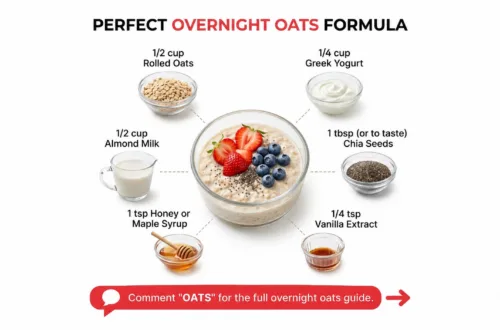
- Start Your Day Strong: Incorporate whole grains like oats with berries and nuts for a healthy breakfast idea.
- Snack Smart: Opt for apples, a handful of almonds, or Greek yogurt instead of processed snacks.
- Colorful Meals: Aim for a rainbow of vegetables and fruits in every meal. This ensures a broad spectrum of nutrients.
- Meal Prep Power: Dedicate some time to healthy meal prep, cooking batches of whole grains, roasted vegetables, or lean proteins to last you a few days. Consider investing in best meal prep containers for convenience.
- Experiment with Recipes: Discover high protein low calorie meals that feature many of these whole foods.

Whole Foods: Your Health’s Best Complement
Remember the core message: whole foods are powerful allies that complement your health journey. They are foundational for a vibrant life, supporting your body’s intricate systems and helping prevent imbalances. However, they are not a substitute for professional medical advice or treatment. Always consult with a qualified healthcare professional for any health concerns or before making significant dietary changes, especially if you have existing medical conditions.
Final Thoughts
Embracing a daily health dose of whole foods is a proactive step towards a more energetic, resilient, and balanced life. By integrating these 17 nutrient-packed ingredients into your diet, you’re investing in your long-term well-being. Start today, one whole food at a time, and experience the transformative power of natural nutrition.
Medical Disclaimer
The information provided in this article is for general informational purposes only and does not constitute medical advice. It is not intended to diagnose, treat, cure, or prevent any disease. Always seek the advice of a qualified healthcare professional for any questions regarding your medical condition or before making any dietary changes or starting any new health regimen.