Most people think of the sweet, tropical fruit when they hear the word ‘guava,’ overlooking the true powerhouse found in its leaves. While the fruit is delicious, it’s the humble guava leaves that many traditional herbalists and home remedy enthusiasts turn to for support, especially when it comes to respiratory health. However, one small preparation mistake can significantly dilute their full potential.
What Are Guava Leaves and Why Use Them for Respiration?
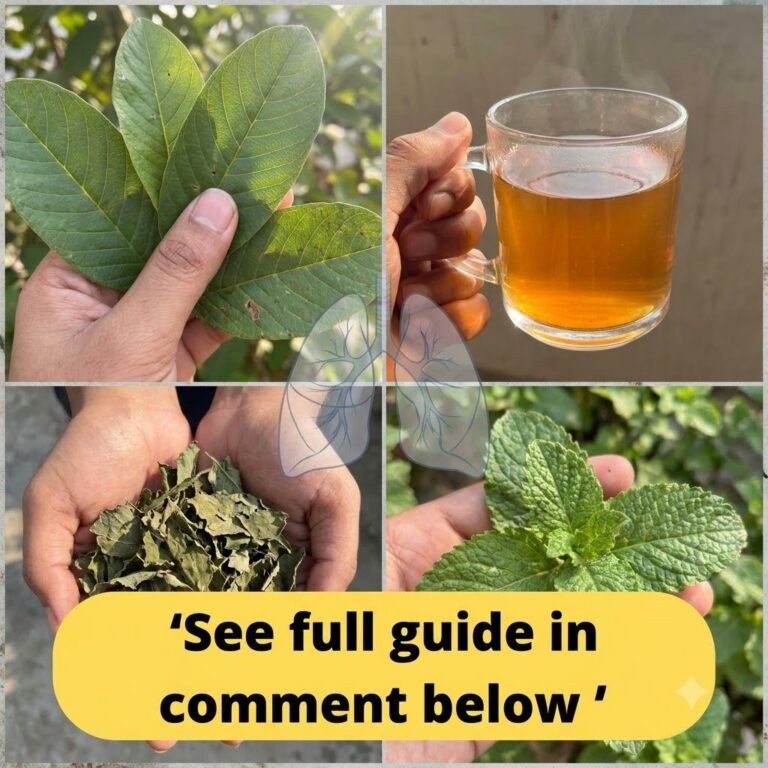
Guava leaves come from the Psidium guajava tree, a common tropical plant. Unlike the fruit, the leaves are often used in traditional remedies. They contain various compounds, including flavonoids, tannins, and essential oils, which are believed to contribute to their beneficial properties. For respiratory health, the focus is often on their potential to soothe irritation and support the body’s natural clearing processes.
Practical Guava Leaf Preparations for Respiratory Support
When dealing with a cough, congestion, or general respiratory discomfort, a simple guava leaf tea or steam inhalation can be a comforting and practical remedy. Here are two straightforward methods:
Method 1: Guava Leaf Tea (Infusion)
This is the most common and easiest way to utilize guava leaves for internal support.
Ingredients:
- Fresh guava leaves: 5-10 medium-sized leaves, or
- Dried guava leaves: 1-2 tablespoons (crushed)
- Water: 2 cups (approximately 500ml)
- Optional: Honey or lemon to taste
Approximate Measurements:
For fresh leaves, aim for a handful. For dried, use slightly less as their compounds are more concentrated by weight. Adjust based on your preference for strength.
Formula / Recipe:
Guava leaf tea is a simple infusion. The key is to simmer, not aggressively boil, to preserve the delicate compounds.
Step-by-Step Method:
- Rinse Leaves: If using fresh leaves, thoroughly rinse them under cool running water to remove any dirt or residues. If using dried, no rinsing is needed.
- Prepare Leaves: For fresh leaves, you can tear them into smaller pieces to expose more surface area. For dried, they are usually pre-crushed.
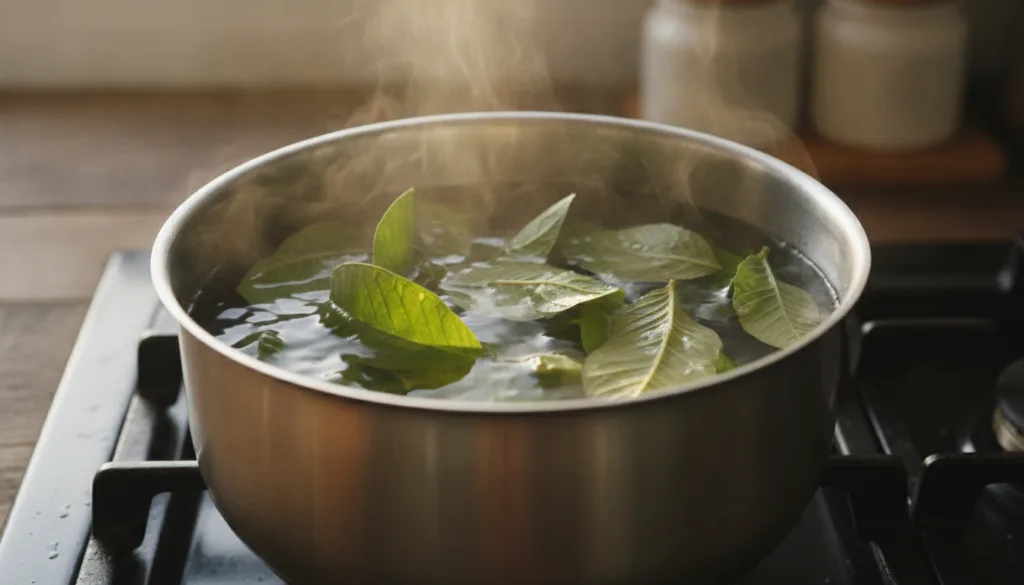
- Simmer: Bring 2 cups of water to a boil in a small saucepan. Once boiling, reduce the heat to a gentle simmer.
- Add Leaves: Add the prepared guava leaves to the simmering water.
- Infuse: Cover the saucepan and let the leaves simmer gently for 10-15 minutes. Covering helps to trap the beneficial volatile compounds.
- Strain: Remove the saucepan from heat and let it cool slightly. Strain the liquid into a mug, discarding the leaves.
- Serve: Your guava leaf tea is ready. Add honey or a squeeze of lemon if desired.
Method 2: Guava Leaf Steam Inhalation
For direct respiratory relief, steam inhalation can be very effective.
Ingredients:
- Fresh guava leaves: 10-15 medium-sized leaves, or
- Dried guava leaves: 2-3 tablespoons (crushed)
- Water: 4-6 cups (approximately 1-1.5 liters)
Step-by-Step Method:
- Prepare Water: Bring 4-6 cups of water to a rolling boil in a large pot.
- Add Leaves: Once boiling, add the clean guava leaves to the water.
- Boil Briefly: Allow the leaves to boil for 2-3 minutes to release their aromatic compounds.
- Prepare for Inhalation: Carefully remove the pot from the stove and place it on a heat-proof surface (e.g., a table with a trivet).
- Inhale: Drape a large towel over your head and the pot, creating a tent. Close your eyes and lean over the pot, inhaling the steam deeply for 5-10 minutes. Be cautious not to get too close to avoid burns.
How to Use:
- Tea: Drink the tea warm. It can be particularly soothing for sore throats and general discomfort.
- Steam Inhalation: Use this method when experiencing nasal congestion, chest tightness, or coughs. The warm, moist air helps to loosen mucus.
How Often to Use:
- Tea: You can drink 1-2 cups of guava leaf tea per day when needed.
- Steam Inhalation: Perform 1-2 times per day, especially before bedtime to help with nighttime congestion.
How to Buy / How to Choose Ingredients:
For the best results, always prioritize quality:
- Fresh Leaves: Look for vibrant, green, unblemished leaves. Avoid any that are yellowing, spotted, or have signs of insect damage. Ideally, source from organic gardens or reliable suppliers who don’t use pesticides.
- Dried Leaves: Purchase from reputable herbal suppliers. Ensure they are well-dried, not moldy, and have a mild, earthy aroma.
Quick Tip: Fresh vs. Dried
While fresh leaves offer the most potent aroma, dried leaves are a convenient and readily available alternative. When using dried, remember that their compounds are concentrated, so you generally need less quantity.
Storage:
- Fresh Leaves: Store fresh guava leaves in a paper towel in the refrigerator for up to 5-7 days. For longer storage, you can dry them yourself (see practical tips) or freeze them.
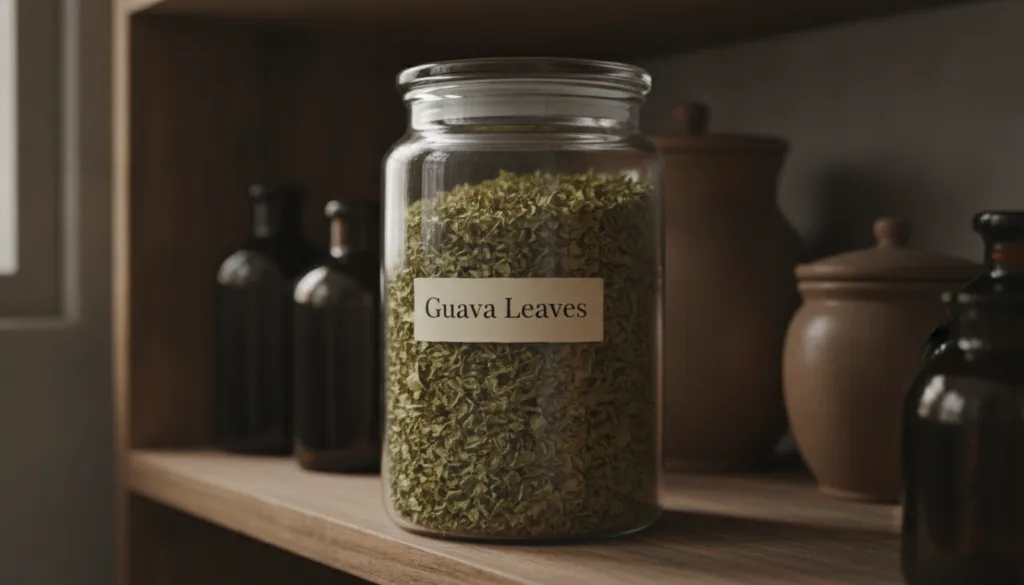
- Dried Leaves: Store dried guava leaves in an airtight container in a cool, dark place. They can last for up to 6-12 months while retaining good potency.
- Prepared Tea: Guava leaf tea is best consumed fresh. If you have leftovers, refrigerate in an airtight container for no more than 24 hours. Reheat gently, but fresh is always preferred.
Practical Tips:
- Source Locally: If you live in a tropical climate, you might find guava trees in your neighborhood. Always ensure they haven’t been sprayed with chemicals.
- Drying Your Own: To dry fresh leaves, simply lay them flat on a clean cloth or screen in a well-ventilated, shaded area. Turn them daily until completely brittle (2-7 days).
- Add Ginger: For enhanced respiratory benefits, consider adding a slice or two of fresh ginger root to your guava leaf tea or steam.
- Listen to Your Body: Start with smaller quantities and observe how your body reacts before increasing the dosage.
Common Mistakes:
Avoiding these pitfalls will ensure you get the most out of your guava leaf preparations:
- Boiling Vigorously: Aggressive boiling can destroy some of the volatile compounds. A gentle simmer is best for tea.
- Using Sprayed Leaves: Never use leaves from plants that have been treated with pesticides or herbicides, as these chemicals can be harmful.
- Ignoring Freshness: While dried leaves are good, overly old or discolored dried leaves might have lost much of their potency.
- Not Straining Properly: Ensure you strain your tea thoroughly to remove all leaf particles.
- Expecting Instant Cures: Guava leaf remedies are for supportive care and comfort, not a ‘miracle cure’ for serious conditions.
| Feature | Fresh Guava Leaves | Dried Guava Leaves |
|---|---|---|
| Availability | Seasonal, regional | Year-round, widely available |
| Preparation | Rinse, tear; gentle simmer | No rinse; gentle simmer |
| Potency | Often considered more potent due to fresh volatile oils | Concentrated, but some volatile oils may be lost during drying |
| Shelf Life | 5-7 days (refrigerated) | 6-12 months (airtight, cool, dark) |
| Typical Use | Tea, fresh steam inhalation | Tea, powder, steam inhalation |
Cautions / Who Should Avoid It:
While generally considered safe for most people in moderate amounts, some precautions are advised:
- Pregnancy and Breastfeeding: Limited research exists. It’s best to consult a healthcare provider before using.
- Diabetes: Guava leaves may lower blood sugar levels. If you are diabetic or on blood sugar-lowering medication, monitor your levels closely and consult your doctor.
- Surgery: Due to potential effects on blood sugar, discontinue use at least two weeks before any scheduled surgery.
- Allergies: If you have allergies to guava fruit or other related plants, exercise caution.
Quick Summary: Guava Leaves for Respiratory Support
Guava leaves offer a simple, natural way to support respiratory wellness. The best preparation often involves a gentle infusion for tea or a steam inhalation. Always choose fresh, unblemished leaves or reputable dried varieties. Store fresh leaves in the fridge and dried in an airtight, cool place. Avoid vigorous boiling and always consult a healthcare professional if you have underlying health conditions or are on medication.
FAQ:
- Can I use fresh or dried guava leaves?
Both fresh and dried leaves can be used. Fresh leaves may offer a stronger aromatic profile, while dried leaves are more convenient for storage and year-round use. - How long does guava leaf tea last?
It’s best consumed fresh. Any leftover tea can be refrigerated in an airtight container for up to 24 hours, but potency and flavor may diminish. - Can I refrigerate fresh guava leaves?
Yes, store fresh guava leaves wrapped in a paper towel in a sealed bag or container in the refrigerator for up to a week. - How often should I use guava leaf remedies?
For tea, 1-2 cups daily. For steam inhalation, 1-2 times daily as needed for relief. - What part of the guava plant is best for respiratory remedies?
The leaves are primarily used for respiratory support, though the fruit has its own nutritional benefits. - Can I reuse the leaves for another batch of tea?
It’s not recommended. Most of the beneficial compounds will have been extracted in the first brew, making subsequent uses significantly weaker. - When should I avoid guava leaf remedies?
Avoid if pregnant, breastfeeding, diabetic, or scheduled for surgery, without first consulting a healthcare professional. Also, discontinue use if any allergic reactions occur.
Read more: Natural Remedies for Persistent Coughs
Conclusion: Embrace the Leaf
Don’t let the delicious guava fruit distract you from the profound, yet often overlooked, potential of its leaves. Incorporating guava leaf tea or steam inhalation into your routine can be a gentle, natural way to support your respiratory system, offering comfort and helping your body’s natural processes. With careful preparation and mindful use, you can tap into this simple, accessible remedy for everyday wellness.
You may also like: Your Guide to Soothing Herbal Teas for Winter